
Konya, known in antiquity as Iconium, is considered to be one of the most religiously conservative metropolitan centers in Turkey. It is best known as the final home of Rumi (1207-1273 AD). Mevlana Celaddiin-i Rumi was a 13th century Muslim saint and Anatolian Mystic who is renown for his exquisite poetry and wise sayings, which have been translated into many languages. His turquoise-domed tomb in the city is its primary tourist attraction.
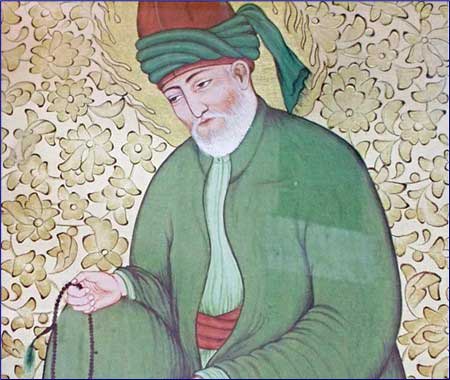
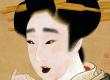
Painted picture of Rumi under glass on the outside the museum office at Rumi’s Mosque, Konya [Creative Commons]
In the year of his death, Rumi’s followers established the Mevlevi Sufi order of Islam now better known as the Whirling Dervishes. Konya was the capital of the Seljuk Turks from the 12th to the 13th centuries.

Dervish Dance (StableDifusion)
Present day Konya is renowned for its strong spiritual atmosphere. It houses numerous tombs of prophets and saints. There are varying accounts, with sources claiming that there are between 329 and 379 prophet and saint tombs in the city. However it was a major religious centre long before the advent of Islam.
“Come, come again, whoever you are, come!
Heathen, fire worshiper or idolatrous, come!
Come even if you broke your penitence a hundred times,
Ours is the portal of hope, come as you are.”
(Geladdiin Rumi)
One may now ask why Iconium/ Konya has survived as a main religious centre, whether pagan, Christian, or Islamic throughout the millennia?

Like this Preview and want to read on? You can! JOIN US THERE ( with easy, instant access ) and see what you’re missing!! All Premium articles are available in full, with immediate access.
Top Image: Classical celestial map connecting Greek mythology with astronomy (GPT)