
The reign of Mary I, often dubbed "Bloody Mary," was a tumultuous chapter in English history, marked by religious persecution, political intrigue, and a fierce struggle for the throne. Her ascension in 1553, following the death of her half-brother Edward VI, set the stage for a reign defined by her unyielding Catholic faith and a determination to restore England to Rome. This period, as detailed in excerpts from Lady Katherine Knollys: The Unacknowledged Daughter of Henry VIII, saw not only Mary’s rise but also the precarious positions of her half-sister Elizabeth, the Protestant exiles like Katherine Knollys, and the ill-fated Lady Jane Grey. This article explores Mary’s fight for the crown, her religious crusade, and the lives of those who fled or endured her wrath.
Mary’s Claim to the Throne
Mary’s path to the throne was fraught with challenges. When Edward VI, aware of his impending death, drafted his "Devise for the Succession," he disinherited both Mary and Elizabeth, favouring the male descendants of Frances Brandon, Duchess of Suffolk, or, failing that, Lady Jane Grey. Edward’s rejection of female rule reflected the era’s patriarchal norms, but his death in 1553 left no male heirs, thrusting Jane into the spotlight as his named successor. Jane, however, was a reluctant pawn in a Tudor power struggle, orchestrated by her family and political allies who sought to secure Protestant rule.
Mary, ever astute, fled to East Anglia, where she garnered support for her claim. From Kenninghall, she wrote to the Privy Council, asserting her rightful inheritance:
My lords, we greet you well and have received sure advertisement that our dearest brother the King and late sovereign lord is departed to God... concerning the Crown and governance of this Realm of England... what has been provided by act of Parliament and the testament and last will of our dearest father... the Realm know and all the world knoweth.
Her letter, arriving the same day Jane was crowned, underscored her resolve. The Privy Council, swayed by her legitimacy and public support, abandoned Jane, who reigned for only nine days before being imprisoned in the Tower. Jane, her husband Lord Dudley, and his brothers faced charges of high treason, with Jane’s own signature as "the Queen" sealing her fate. She was executed in 1554, a tragic victim of Tudor politics.

Like this Preview and want to read on? You can! JOIN US THERE ( with easy, instant access ) and see what you’re missing!! All Premium articles are available in full, with immediate access.
For the price of a cup of coffee, you get this and all the other great benefits at Ancient Origins Premium. And - each time you support AO Premium, you support independent thought and writing.
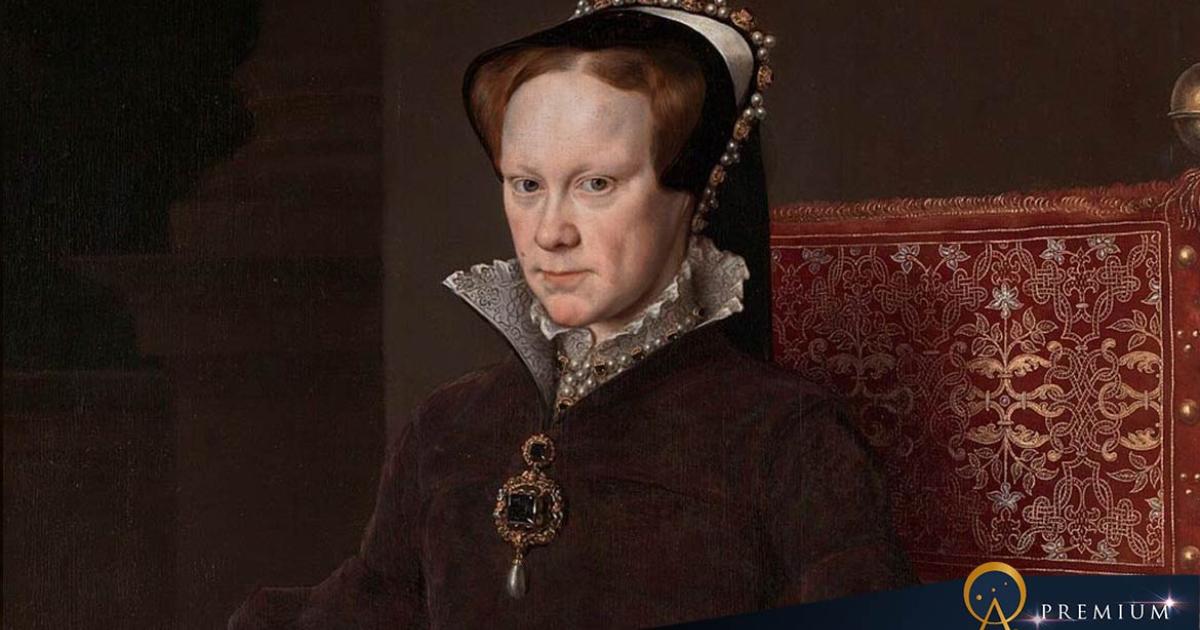
Top Image: Mary I (portrait by Anthonis Mor , 1554) (Wikipedia)