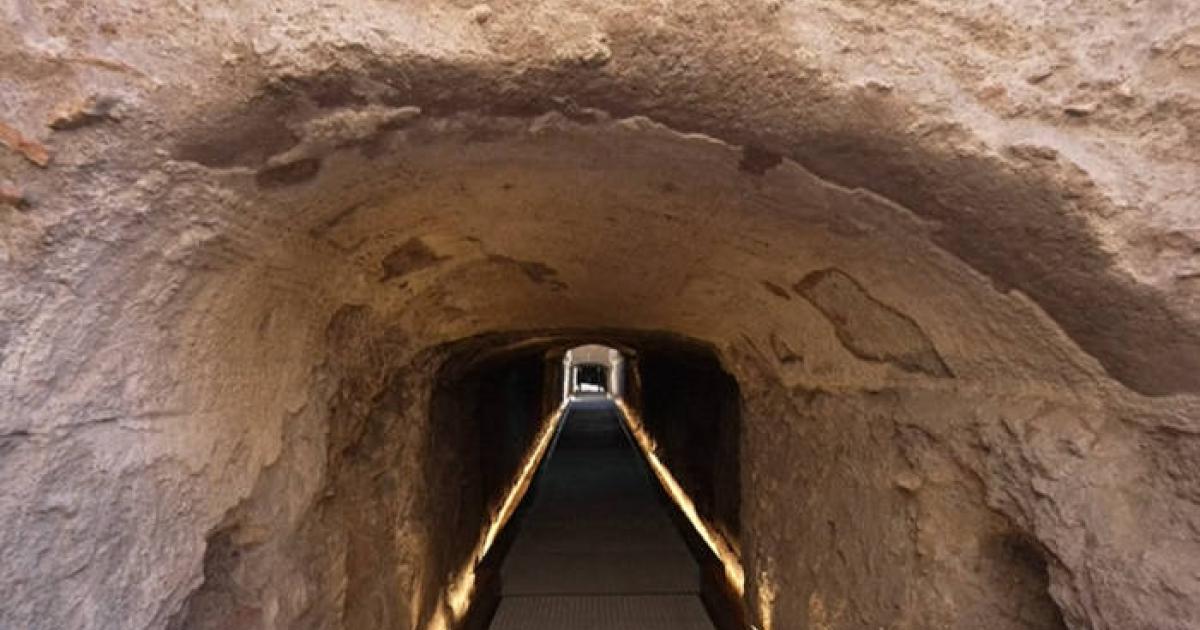

For the first time in nearly two millennia, visitors to Rome's mighty Colosseum can walk through a hidden imperial passage that once allowed Roman emperors to move unseen through the ancient amphitheater. The previously secret corridor, known as the Commodus Passage, opened to the public on October 8, marking an extraordinary milestone in archaeological preservation and access reported Reuters.
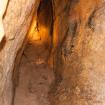
The recently restored tunnel measures approximately 180 feet (55 m) in length and was cleverly concealed from the masses who attended gladiatorial contests and other public spectacles. Archaeological evidence suggests this VIP entrance was constructed between the end of the 1st century AD and the beginning of the 2nd century AD, decades after the Colosseum's original completion in 80 AD under Emperor Titus, relates the Daily Mail.
- Six Things That Made the Colosseum Unique
- The Mind-Blowing Architecture and Engineering of Rome's Colosseum
Engineering Marvel Beneath the Arena
The tunnel represents a sophisticated engineering achievement that complemented the Colosseum's already revolutionary design. Originally featuring marble-clad walls, the passage later received plaster decorations depicting pastoral landscapes. Archaeological investigations have revealed traces of elaborate stuccowork showing mythological scenes from the myth of Dionysus and his immortal wife Ariadne adorning the vaulted ceiling.
At the passage entrance, archaeologists discovered remnants of decorative elements directly related to arena spectacles, including depictions of boar hunts, bear fights, and acrobatic performances. These artistic elements provided a fitting prelude to the brutal entertainments that awaited beyond. "This passage is now open to the public, it's the first time. And so (visitors will) appreciate what it was like to be an emperor," explained archaeologist Barbara Nazzaro, who oversaw the corridor's restoration.
The tunnel connected the emperor's box, positioned prominently on the south side of the Colosseum, to the amphitheater’s exterior. This strategic design allowed the ruler to enter and exit without mingling with the estimated 65,000 spectators who regularly packed the arena for gladiatorial combat and public executions.
- Beneath the Arena: A Journey Through the Colosseum's Underground
- The Outrageous Emperor Who Fought as a Gladiator
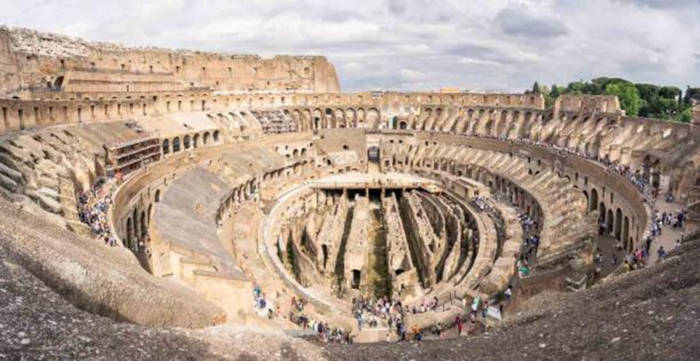
The Colosseum, Rome, with central underground areas exposed. (Barbara / Adobe Stock)
The Commodus Connection
The passage bears the name of Emperor Commodus, one of Rome's most notorious rulers who reigned from 177 to 192 AD. This connection stems from historical chronicles documenting how Commodus survived an assassination attempt in an underground passage within the Colosseum. "It was very easy to make the connection," noted Nazzaro regarding the tunnel's naming.
Commodus distinguished himself as perhaps the most unconventional emperor in Roman history, breaking aristocratic taboos by personally participating in gladiatorial combat. Historical accounts describe him fighting exotic animals, including an ostrich that he successfully beheaded in the arena. His obsession with appearing as the god Hercules and his theatrical combat performances made him deeply unpopular among Rome's elite.
The emperor's unusual behavior extended beyond gladiatorial exhibitions. He renamed Rome as Colonia Commodiana (Colony of Commodus) and delegated daily governance to favored administrators while pursuing his passion for arena combat. This neglect of imperial duties contributed to civil strife that ultimately ended decades of stability within the empire.

Roman Power webinar, from the Ancient Origins Store.
Preservation Challenges and Modern Access
The restoration project, completed between October 2024 and September 2025, faced significant challenges due to the underground environment's persistent dampness. These conditions have made long-term conservation difficult, with many original decorative elements deteriorating over the centuries. However, visitors can now experience a virtual reconstruction of the passage's ancient appearance through specially produced video presentations.
The tunnel also provided practical access to the nearby Ludus Magnus, Rome's most prestigious gladiator training school located adjacent to the Colosseum. This connection allowed emperors to visit gladiators in their preparation areas before major contests, adding another layer of imperial control over the arena's deadly entertainments.
Modern archaeological techniques have revealed that the current 180-foot length represents only a portion of the original structure. A section was destroyed during 19th-century infrastructure development when sewage pipes were installed through the area. Despite this damage, the surviving passage offers unprecedented insight into the privileges and paranoia of Roman imperial power.
The opening of the Commodus Passage represents what the Archaeological Park of the Colosseum describes as having "extraordinary significance," making accessible for the first time "a place so fascinating for its history, its architecture, and, not least, its decorative apparatus, which was for exclusive use and hidden from the public during the time of the emperors."
Top image: View of the restored underground passage in the Colosseum Archaeological Park. Source: Colosseum Archaeological Park
By Gary Manners
References
Corvino, C. 2025. Italy opens 'Commodus Passage' in Colosseum to public. Available at: https://www.reuters.com/lifestyle/italy-opens-commodus-passage-colosseum-public-2025-10-08/
Daily Mail. 2025. The Colosseum had a VIP entrance! Hidden tunnel allowed Roman emperors to sneak out of the arena unseen. Available at: https://www.dailymail.co.uk/sciencetech/article-15172573/Colosseum-VIP-entrance-Hidden-tunnel.html