
March
05
/ 2026
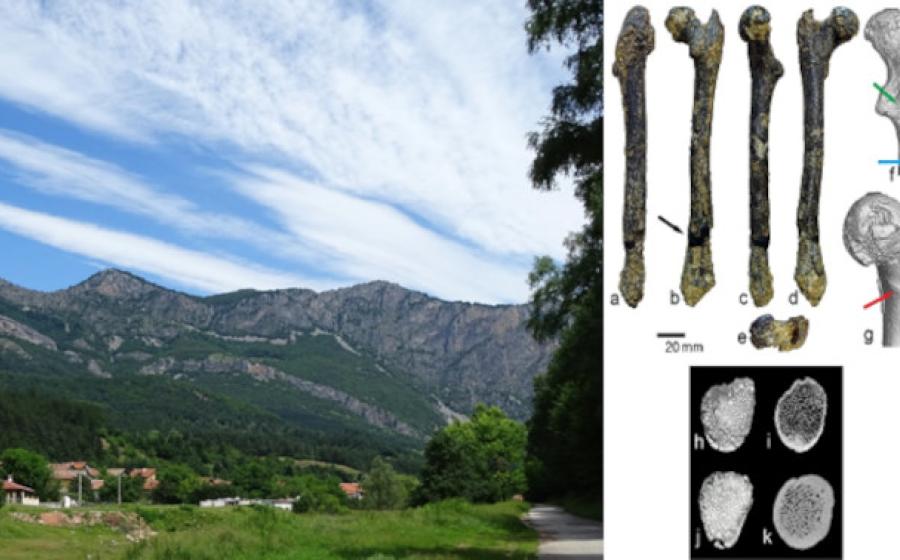
A newly described fossil thighbone from southern Bulgaria is reigniting one of paleoanthropology’s biggest arguments: where, exactly, did the first “human-style” steps begin. In a paper in Palaeobiodiversity and Palaeoenvironments, researchers argue that a 7.2-million-year-old femur from the Azmaka site preserves a blend of traits consistent with an early, transitional form of upright walking. If the interpretation holds, “Balkan bipedalism” may have started before some of the earliest widely discussed African candidates. The study has already stirred attention beyond academic circles, with Bulgaria’s national news agency BTA highlighting the find as potential evidence that the “earliest bipedal hominins lived in the Balkans.” At the same time, the authors stress that the fossil doesn’t look like a modern human leg; instead