View Recent Blogs

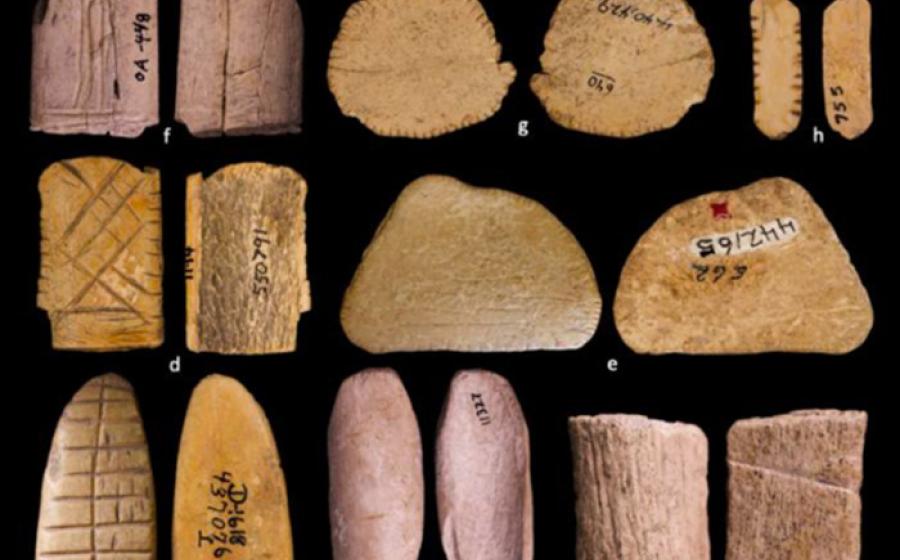
A groundbreaking new study has revealed that the world's oldest known dice were crafted and used by Native American hunter-gatherers more than 12,000 years ago. These ancient gaming pieces, discovered in the western Great Plains of North America, predate the earliest known dice from Bronze Age societies in the Old World by over 6,000 years. The remarkable findings suggest that indigenous peoples were engaging in complex games of chance and exploring probability thousands of years before the concept emerged in written mathematics. The research, conducted by Colorado State University Ph.D. student Robert J. Madden and published in the journal American Antiquity, identified the earliest examples of these dice at Late Pleistocene Folsom-period archaeological sites in Wyoming, Colorado, and New Mexico

The origins of ancient writing systems have long fascinated historians and linguists alike, but a groundbreaking new study using artificial intelligence has revealed surprising structural connections between scripts from Africa and the Caucasus. Researchers from San Diego State University (SDSU) have found that the Armenian alphabet shares striking structural similarities with the ancient Ethiopic writing system, also known as Ge'ez, challenging long-held assumptions about the independent development of these ancient scripts. The study, published in Digital Scholarship in the Humanities, employed a deep convolutional neural network named "FeedelLigence" to objectively measure structural similarities across thousands of characters. By moving beyond the subjective visual impressions that have guided historical linguistics for decades, scientists were able to provide quantitative evidence for connections
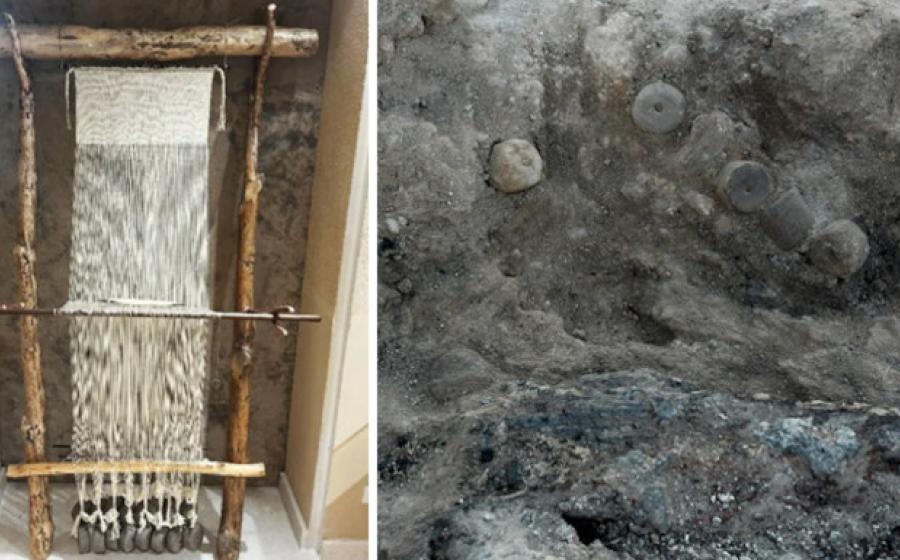
A sudden fire can destroy a village, but in rare cases, it can also protect history. Around 3,500 years ago, a Bronze Age settlement called Cabezo Redondo in present-day Villena, southeastern Spain, faced such a fire. While homes and workshops burned, the same event preserved a rare object made mostly of wood: a vertical warp-weighted loom. This discovery gives a clear picture of how people made textiles in ancient times, capturing a moment when textile production was becoming more advanced, more organized, and more important to everyday life. In most archaeological sites, only loom weights survive. Here, the wooden frame and fibers were preserved alongside them, allowing researchers to move beyond inference and document a working loom in unusual detail
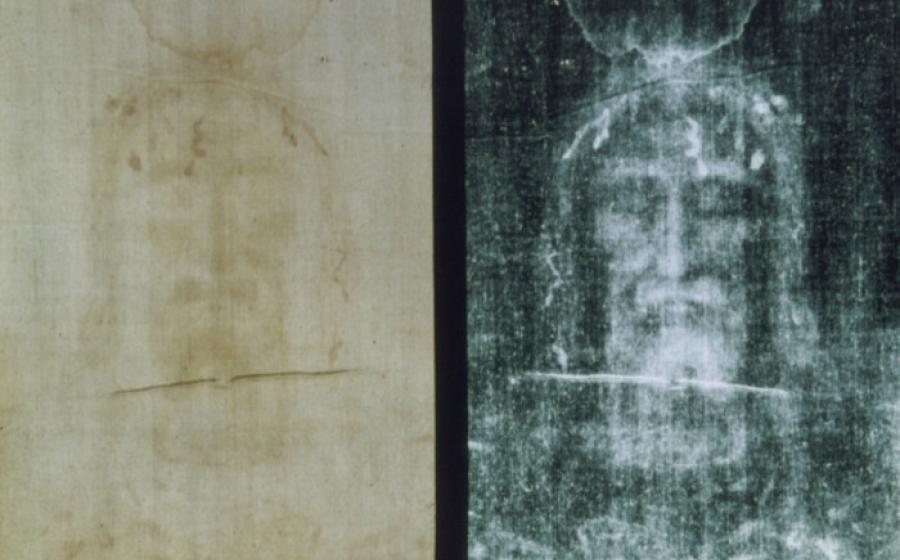
The latest DNA study of the Shroud of Turin has revealed that nearly 40% of the human genetic material found on the famous linen traces back to Indian lineages, raising the startling possibility that the cloth may have originated in the ancient Indus Valley. The preprint study, published in March 2026 by researchers at the University of Padova, Italy, analyzed dust particles vacuumed from the shroud in 1978 and found a remarkable "cornucopia" of DNA from multiple people, plants, and animals. The findings add yet another layer of complexity to one of history's most debated artifacts, challenging long-held assumptions about its geographic origins. Whether the cloth is the authentic burial shroud of Jesus of Nazareth or a medieval creation, its
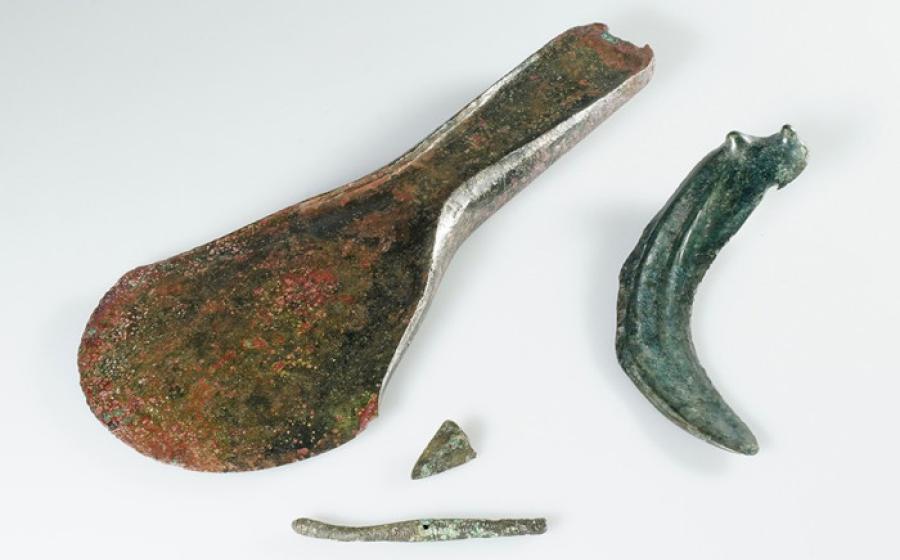
A volunteer metal detectorist exploring the wooded slopes of northwestern Switzerland has made an astonishing discovery: a massive Bronze Age axe dating back 3,500 years. This remarkable find, unearthed near the village of Burg im Leimental, offers archaeologists fresh insights into ancient ritual practices. Experts believe the exceptionally crafted weapon may have been intentionally buried as a sacred offering to unknown deities. Monumental Find by a Volunteer Surveyor The incredible discovery was made by Sacha Schneider, a volunteer surveyor working alongside Archäologie Baselland. While conducting a systematic metal detector survey on the steep terrain below Biederthal Castle, Schneider located the nine-inch (22-centimeter) long bronze axe. The artifact is notable not only for its impressive size but also for its exceptional
Could a second Sphinx be buried beneath the sands of Egypt's most famous ancient site? A team of Italian researchers using cutting-edge radar technology claims to have detected a massive underground anomaly at the Giza Plateau that mirrors the profile of the iconic Great Sphinx. The announcement has ignited fierce debate, with some researchers hailing it as a potential breakthrough and mainstream Egyptologists dismissing it as unsupported speculation. The controversy cuts to the heart of an enduring question: how much of ancient Giza still lies hidden beneath the sand? The Big Egyptian Sphinx Cover Up: Hidden Chambers, An Unexcavated Mound and Endless Denial Rediscovery of Three Shafts May Lead to Underworld Beneath Giza Uncovering the Subterranean Anomaly The bold assertions
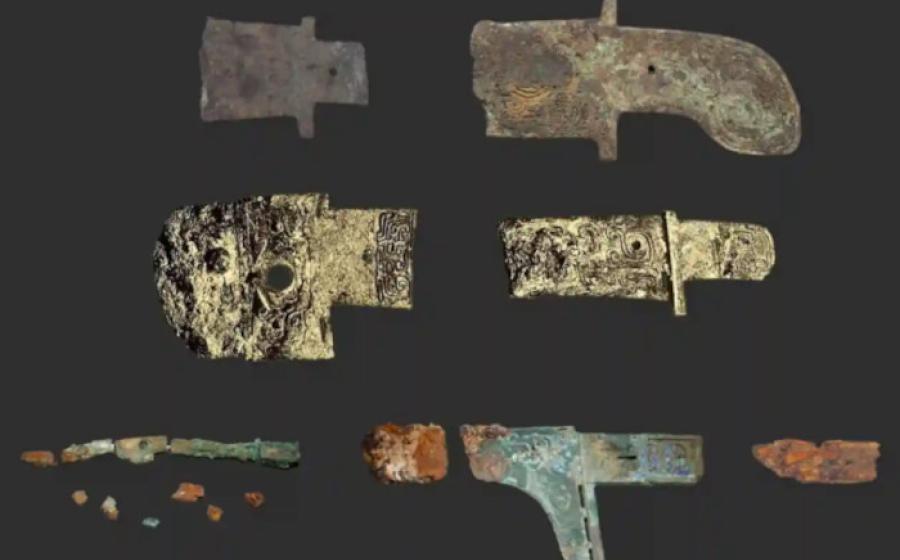
A groundbreaking discovery at the renowned Sanxingdui archaeological site in southwestern China has revealed an unusual metal object that defies known Bronze Age technology. Laboratory analysis has confirmed that a 3,000-year-old axe-like tool was forged from meteorite iron, literally falling from the stars before being crafted by ancient artisans. This remarkable find is challenging our understanding of early metallurgy and the resourcefulness of ancient Chinese civilization. The discovery not only sheds light on the advanced capabilities of these ancient people but also opens up new questions regarding their interaction with extraterrestrial materials. The artifact, officially labeled K7QW-TIE-1, was excavated from Pit No. 7 at Sanxingdui, a site famous for its elaborate bronze masks and ritual deposits dating to the Shang
A recent study has unveiled the earliest genetic evidence of domestic dogs, pushing back our timeline of when humans first partnered with canines. By analyzing ancient dog DNA, researchers identified dog remains in Anatolia dating back 15,800 years. Published in Nature, the findings confirm dogs lived alongside hunter-gatherers during the Paleolithic era, long before agriculture. The team recovered whole genomes from Upper Paleolithic sites, including Pınarbaşı in Turkey and Gough’s Cave in the UK. Results revealed that by 14,300 years ago, dogs had already spread across western Eurasia. Prior to this, the earliest confirmed genetic record was 10,900 years ago, making this a monumental leap in our historical timeline. A Woman's Best Friend: The Herstory of Dog Domestication Study sheds
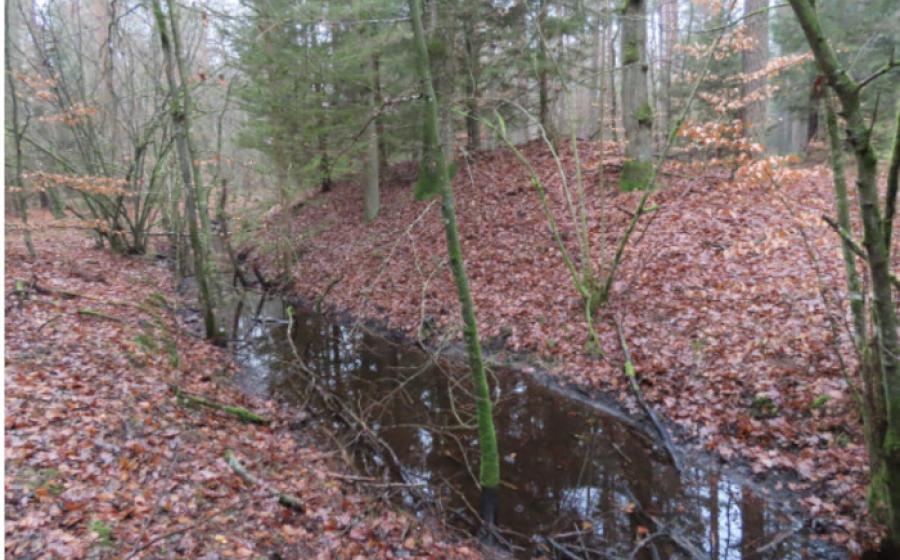
In a remarkable archaeological find, researchers have uncovered the remains of the lost medieval town of Stolzenberg hidden deep within a Polish forest. Located near the modern settlement of Zagrody, close to Sławoborze in north-western Poland, this forgotten urban center existed only briefly before vanishing from history. The discovery provides a fascinating glimpse into medieval frontier life and urban planning, while raising intriguing questions about why the thriving settlement was suddenly abandoned. According to Science in Poland, the first clues pointing to the town's existence emerged from historical documents dating back to the 16th century, alongside 19th-century German literature that described the remains of a deserted town near Sławoborze. Local field names such as "Alt Stadt" (Old Town) and "Hospital"
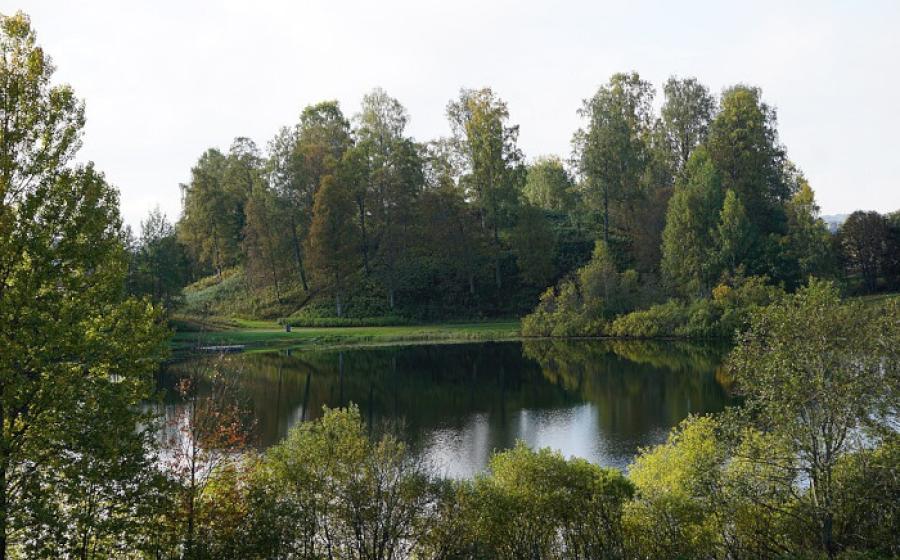
For more than a century, historians and archaeologists have gazed upon Raknehaugen, Scandinavia's largest prehistoric monument, and envisioned the grand resting place of a powerful king. Located in southeastern Norway, this colossal structure has long been interpreted as the ultimate symbol of Iron Age elite power. However, a groundbreaking new study has completely rewritten this narrative, suggesting that the massive earthwork contains no royal body at all. Instead, it appears to be a monumental response to a catastrophic natural disaster that struck during one of the darkest periods in human history. The recent research published in the European Journal of Archaeology challenges the long-held assumption that the Raknehaugen burial mound served as a high-status mortuary monument. According to study author