- Today is:
View Recent Blogs
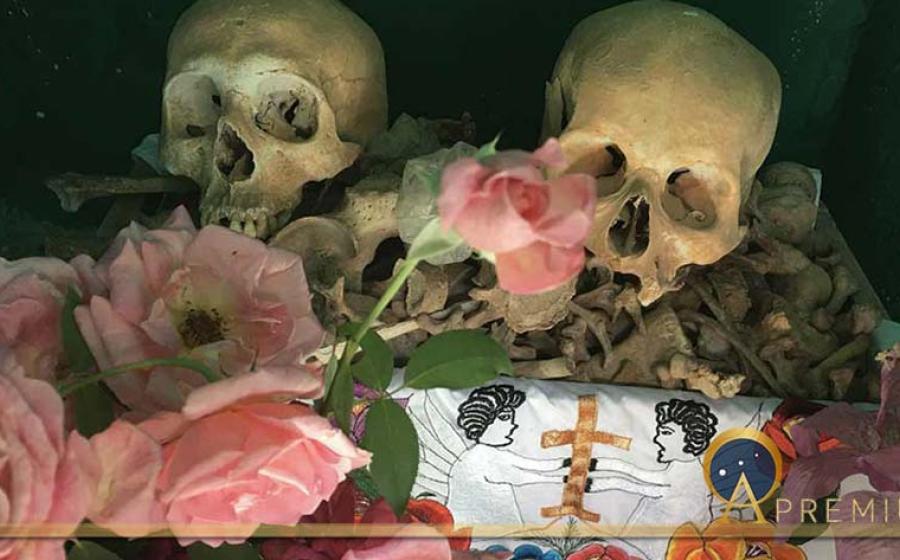
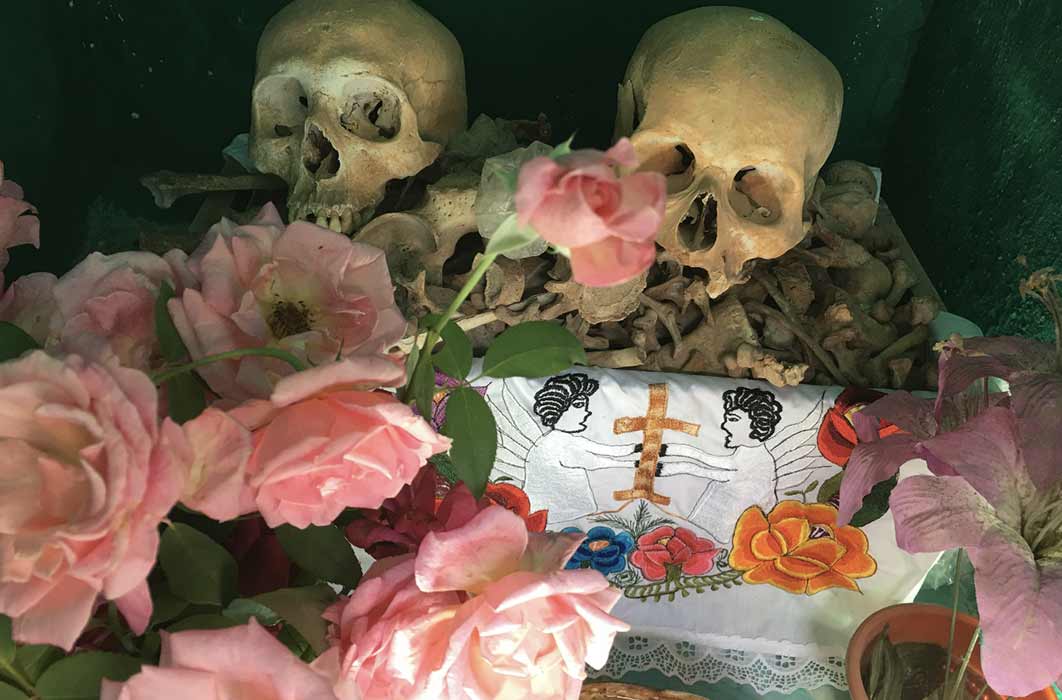
The celebrated Mexican Day of the Dead means one thing for city dwellers and quite another for country folks. It is a day dedicated to the bittersweet remembrance of departed family members. It also is a joyful day for many, celebrating those ancestors who left behind a life enjoyed by their descendants. This family affair takes place over two days, traditionally the 1 st and 2 nd day of November. The 1 st day celebrates the souls of children and young adults, and is called the Day of the Little Angels, or Day of the Innocents, when the family brings toys and tears to the grave. The 2 nd day is the Day of the Dead ( Dia de Muertos)

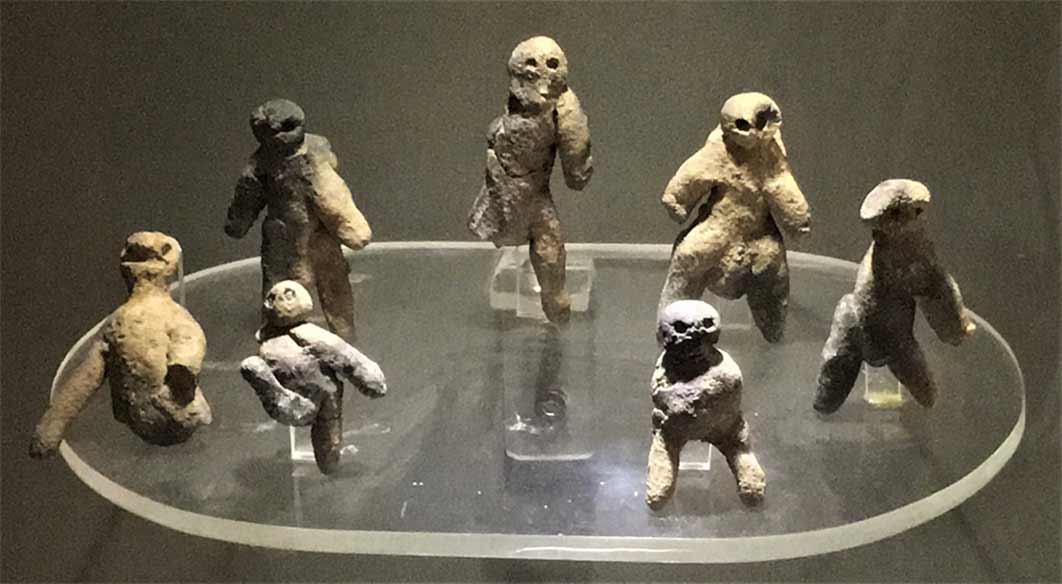
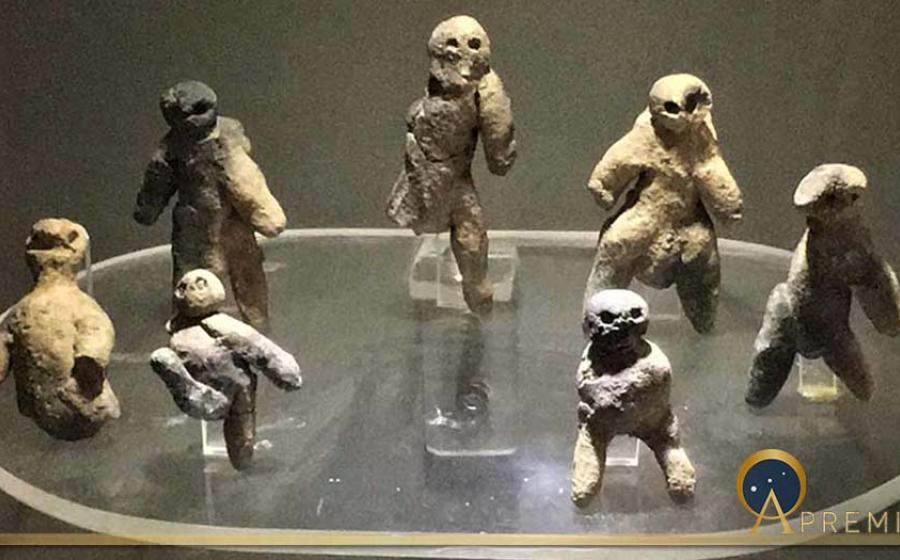
What makes Dzibilchaltún so perplexing, are the seven crudely made clay figurines found buried below the altar in what has become known as the Temple of the Seven Dolls. At its peak Dzibilchaltún, which means “ where there is writing on flat stones,” was one of the oldest settlements of the north-western Maya lowlands of Yucátan in Mexico. It was a large and complex community, engaged in the exploitation of nearby seaside resources, especially salt, and long-distance coastal and inland trade. According to Edward Kurjack (1974) the ancient city had more than “ 8,000 buildings spread over 25 square miles, most of which are one or two rooms platforms that once supported dwellings made of pole-and-thatch. Its population may have
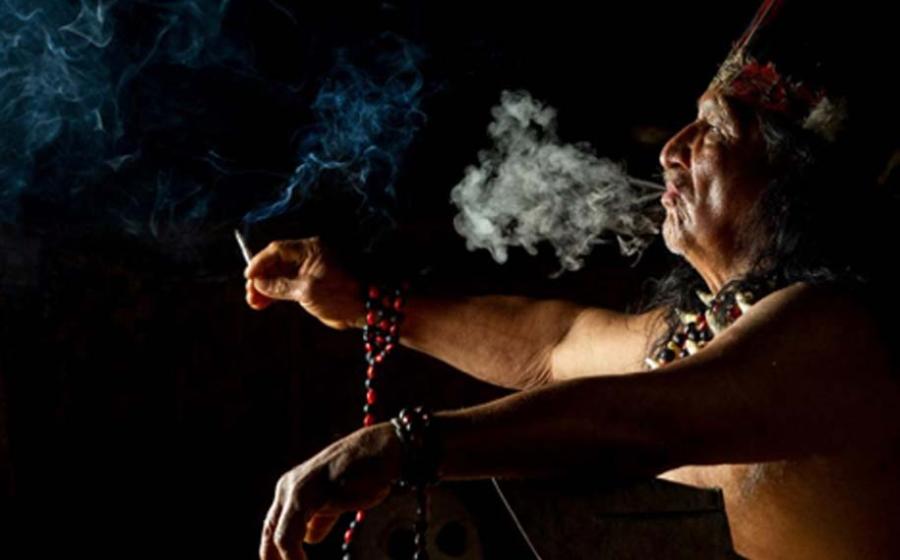
The word shaman for most people, carries an aura of mystery and perplexity. Yet, it is a spiritual practice that began with early human societies. For people unfamiliar with at times perplexing practices, shamanism is often veiled in an obscure and foreign domain. Contemporary respected priest-shamans Tat Rigoberto, Tat Antolin and Tat Nicolasa, from Momostenango in the highlands of Guatemala, explore the ancient origins of this domain and lift its veil of mystery. The qualifier Tat is affectionately granted to highly respected lifetime priest-shamans in Maya- K’iche’ and Tzutu’jil communities, the bearers of rituals that may affect their people’s well-being and economic security. [[{"type":"media","view_mode":"media_original","fid":"82737","attributes":{"alt":"Maya shaman invoking their ancient gods of rain and fertility. Beside him is an altar of sticks
The word shaman for most people, carries an aura of mystery and perplexity. Yet, it is a spiritual practice that began with early human societies. For people unfamiliar with at times perplexing practices, shamanism is often veiled in an obscure and foreign domain. Contemporary respected priest-shamans Tat Rigoberto, Tat Antolin and Tat Nicolasa, from Momostenango in the highlands of Guatemala, explore the ancient origins of this domain and lift its veil of mystery.
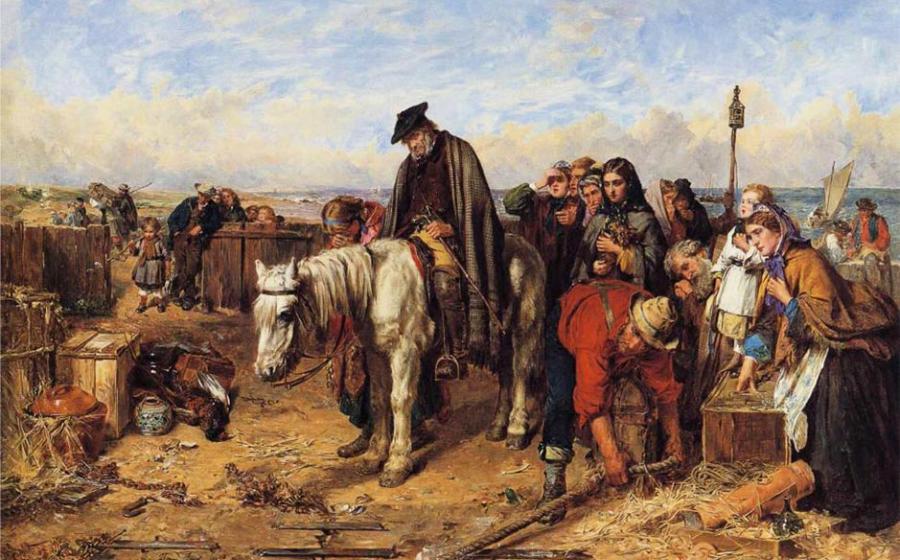
The conquest of the New World was devastating for its ancient cultures; its aftershocks are still deeply felt today in communities across the Americas. Soon after Spain’s subjugation, other European nations tried to organize trade with their colonists or forcefully capture parts of the region. When foreign ships, including buccaneers and corsairs, succeeded in their penetration of Spain’s colonies, they returned to Europe with the rich spoils of the West Indies. Commercial ventures sprang up to trade or settle in those new lands. It seemed the perfect time to set up a Scottish colony in the Americas… William Paterson and the Darien Scheme At the end of the 17th century, a Scotsman named William Paterson devised a plan to establish
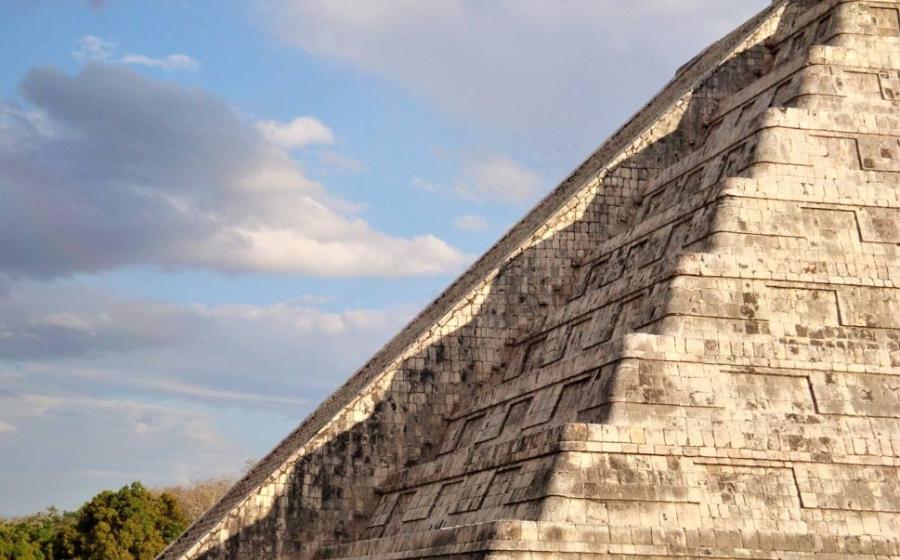
What we see is not always what we expect, whether from nature or man-made. This is often true with archaeological remains of cities or human settlement, when new discoveries shed unexpected light on old finds, leaving question marks in their wake. So, let’s have a look at Chichén Itzá, the great Maya city in Mexico’s Yucatán Peninsula, a place we thought had been thoroughly explored and visited many times. But yet what about Chichén Itzá’s shadows that are cast on the ancient citadel during the course of the year? At the vernal and autumnal equinoxes, as it moves from east to west, sun light plays with the angles of the northeast stairway of the Kukulcán pyramid, called El Castillo in
Shamanism is described in Shamanism, Archaic Techniques of Ecstasy as a every ancient coherent system of esoteric beliefs and practices that attempt to organize and explain the interrelationship between the cosmos, nature, and man (Eliade, 1972). It has been practiced by many cultures and historically spans thousands of generations, from around the first ring of fire to our days. Yet shamanism is linguistically and locally specific, hence there are multiple rituals and cosmologies. We will focus here on the shaman’s role and functions in traditional indigenous communities of the Americas. The ring of fire was the first awakening of hunter-gatherers to a world beyond their awareness. In the dark of night, the fire lit a circle beyond which was an
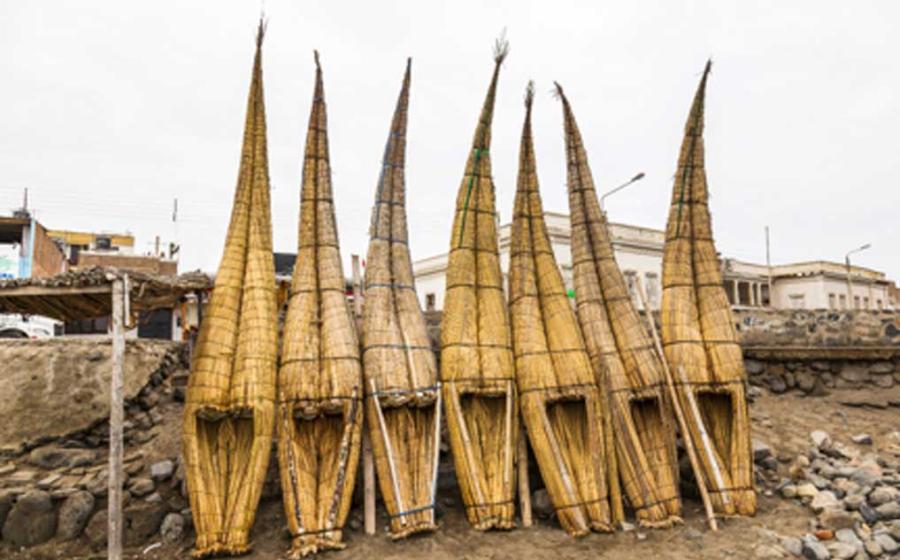
Traveling on the dry windswept northern coast of Peru, beside a spectacular landscape, one finds interesting ways whereby people make a living. That’s how we stumbled on a strange little raft made of reeds used by fishermen in Huanchaco. It raised both eyebrows and interest. The large town is located 8.8 miles (14 km) northeast of Trujillo and 304 miles (489 km) from the capital Lima, on the Pan American highway. What a curious contraption, unlike anything one might expect for the task. And what, you ask, do they call it? Caballito de Totora; the name translates as “Little Horse of Totora”. It seems that we have both an unusual contraption and a contradiction - because the horse, ‘caballo’ or
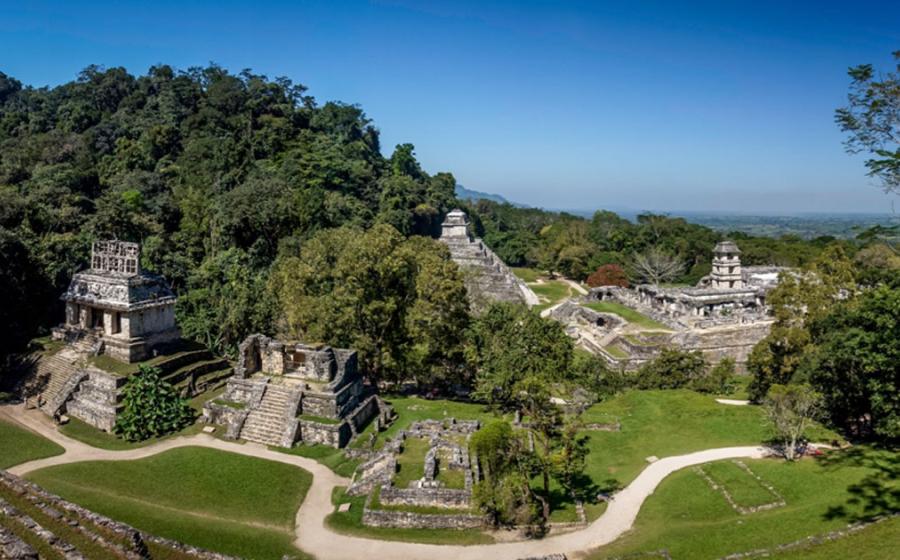
Hidden in the verdant hills of the Sierra Chapaneca in the beautiful state of Chiapas, southern Mexico, is the ancient capital of the B’aakal Kingdom. The name of the city then was Lakamha’ in Maya-Yucatec language. The town is today called by its Spanish name, Santo Domingo de Palenque. Remains of impressive Maya temple-pyramids and palaces abound all over Mesoamerica. Many archaeological sites overwhelm visitors by their monumental architecture. Few are as remarkable as Palenque for its fine palaces and temple-pyramids. The layout of this UNESCO World Heritage site, and its location within a jungle clad mountain range, is replete with springs, streams, and waterfalls overlooking the plains of Tabasco. The Area of Palenque The 1998-2000 PMP-Palenque Mapping Project under