As the saying goes, 'money makes the world go round'. From purchasing essentials and treats to buying property to paying for healthcare, money is key to society functioning and is integral to everyday life. This commodity is vital for people working to earn, so they are able to afford what they need.
People have used money for centuries and it's importance has only grown. Various new forms of payment have been developed over the last three decades, since the advent of the internet and the technological advancements it has brought. From metal pieces and coins to debit cards and people searching for the latest Bitcoin price, this article will explore the history of different currencies and how their value has changed over the years.
When was Money First Used?
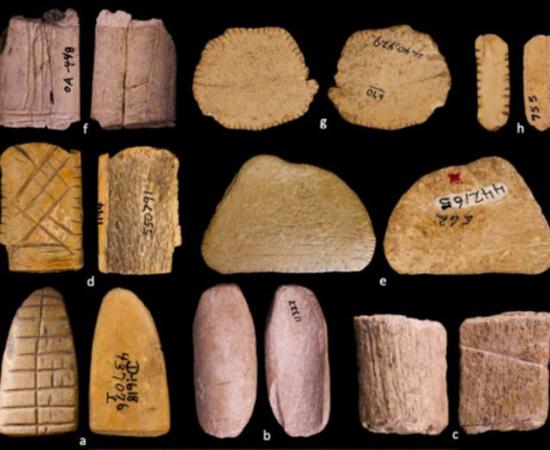
Money has been in circulation for thousands of years, and it's actually quite difficult to pinpoint its very first usage. Various resources online point to different timescales, though it appears the earliest evidence of metal objects being used as currency was around 5000 BC. Standard coins are said to have emerged in Lydia, which was a kingdom in Asia Minor, back in 600 BC.
- New Study of Ancient Societies Explains Why Money Was Invented
- Paying With Shells: Cowrie Shell Money Is One of the Oldest Currencies Still Collected Today
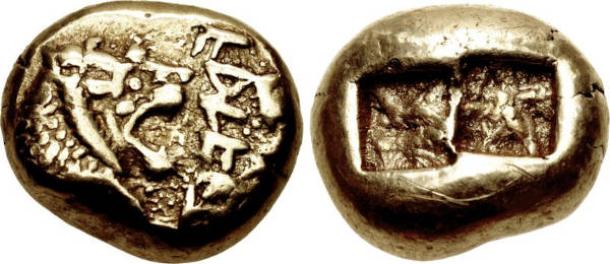
Coins in circulation in the ancient kingdom of Lydia, circa 620/10-564/53 BC. (CNG Coins/CC BY-SA 3.0).
The Bank of England also reports that Chinese people living around 1000 BC used bronze and copper to produce imitations of cowry shells to be used as currency. Base metals were then used to develop primitive round coins. Shrapnel and metal coins were the main source of currency for a long time throughout the world.
The Concept of Paper Money
As nations grew and society became more functional, more currencies were rolled out by leaders and governments, ultimately leading to the paper money revolution.
Using paper money meant that fiat currency systems were adopted, which saw money derive its value from government regulation and trust as opposed to mere intrinsic value. It was in China during the seventh century that paper money was first introduced, and this innovation then gained traction throughout Europe in the 1600s. Not only did this switch enable more efficient trading and facilitate economic growth, but it also led to the establishment of the modern banking systems we see today.
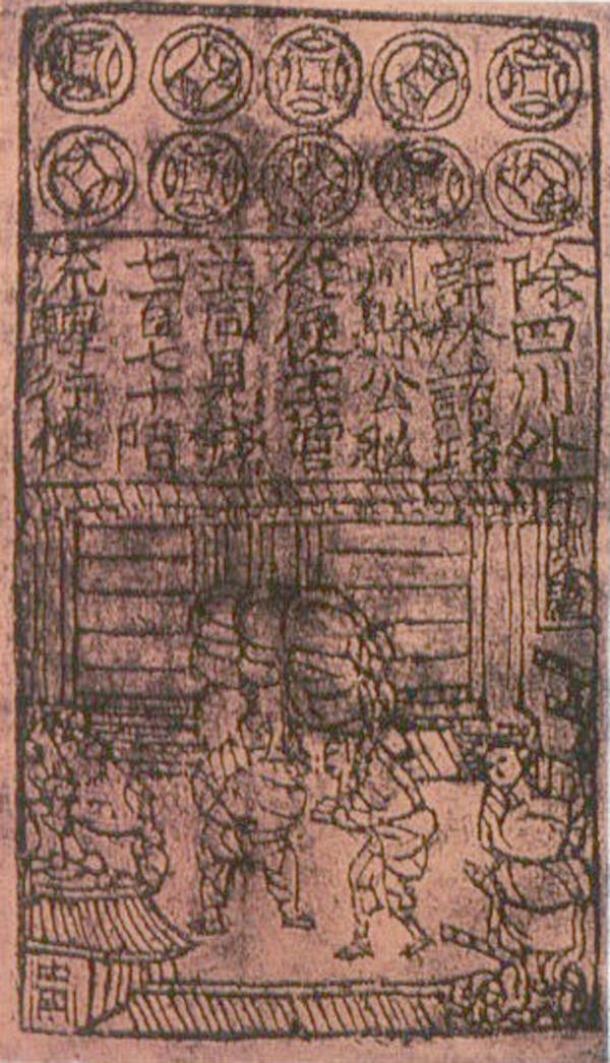
Early paper money, from China’s Northern Song Dynasty, 10th century AD. (Public Domain).
The Next Step
Growing banking systems during the late medieval period led to the introduction of credit and gold standard currencies and this accelerated during the Industrial Revolution in the mid-18th century. Banks now facilitated the storage and transfer of wealth, while credit allowed for increased capital investment and consumption by new business and individuals.
The gold standard, meanwhile, saw the value of currency pegged to a specific amount of gold. This provided stability and meant international trade could thrive with the risk of inflation reduced. Over time, these developments laid the groundwork for modern financial systems, shaping economies, influencing monetary policy and integrating global markets.
- From Shells to Crypto: The Evolution of Money and Currencies
- Bronze Age Money: Early Metal Artifacts May Be Europe’s First Currency
Currency and Payments in the 20th Century
Cash remained king for centuries and was still the most popular form of payment between 1900 and 1999. As the world approached the new millennium, checks, credit cards and debit cards were commonplace, gaining popularity for their accessibility and ease of use, particularly when it came to making larger payments and completing hefty business transactions.
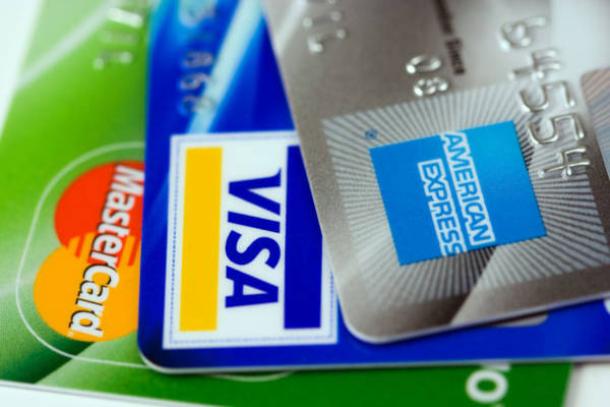
Commonly used credit cards. (Petr Kratochvil/CC0).
It was in the 1950s that credit cards became widely adopted and used, which boosted consumer spending dramatically. It became possible for more and more people to purchase items once considered a luxury, like electrical appliances.
By the 1990s, electronic payment methods and online banking began to emerge, setting the stage for the payment innovations of the 21st century that we know and use today.
New Payment Methods
As technological developments now enhance life at a rapid rate, new and improved payment methods come to the fore to make purchases more convenient and accessible. The rise of digital wallets, such as Apple Pay and Google Pay, allows users to make contactless payments using smartphones or wearable devices.
Peer-to-peer payment platforms also facilitate swift and easy transfers between individuals. Then there are innovations like ‘Buy now, pay later,’ services which give consumers more flexible purchasing power by spreading costs for more expensive items out over months.
The Rise of Cryptocurrency
The rise of cryptocurrency as a payment method has gained significant traction in recent years, driven by increasing acceptance from businesses, advancements in blockchain technology, and a growing desire for decentralized financial systems.
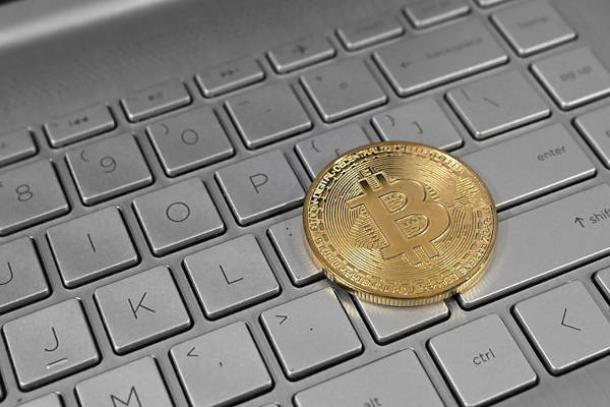
Bitcoin cryptocurrency physical coin on laptop keyboard. (Satheesh Sankaran/CC BY-SA 2.0).
Cryptocurrencies like Bitcoin and Ethereum have introduced decentralized payment options, appealing to those seeking alternatives to traditional banking. Among the advantages of using this payment method are lower transaction fees, enhanced security measures and the ability for cross-border transactions without intermediaries. Major companies, including PayPal and Tesla, have begun accepting digital currencies, contributing to their legitimacy and hastening their adoption across the broad expanse of the world economy.
Overall, these developments have created a more convenient, efficient, and diverse financial landscape. Tracking the evolution of money from the metal pieces that were once used among individuals to buy and sell to the digital assets now accepted by a range of sectors, it is obvious that the realm of currency has changed dramatically over the centuries. It has never been easier to make a purchase and oftentimes it can be done with just a click of a device.
Looking ahead to future trends, new and improved systems and processes are likely to come into effect, which could lead to the phasing out of physical cash and coins over time. With technology always opening new doors, the evolution of money may continue along an ever-accelerating path. Yet its essential role will remain the same, the same as its been since the dawn of civilization.
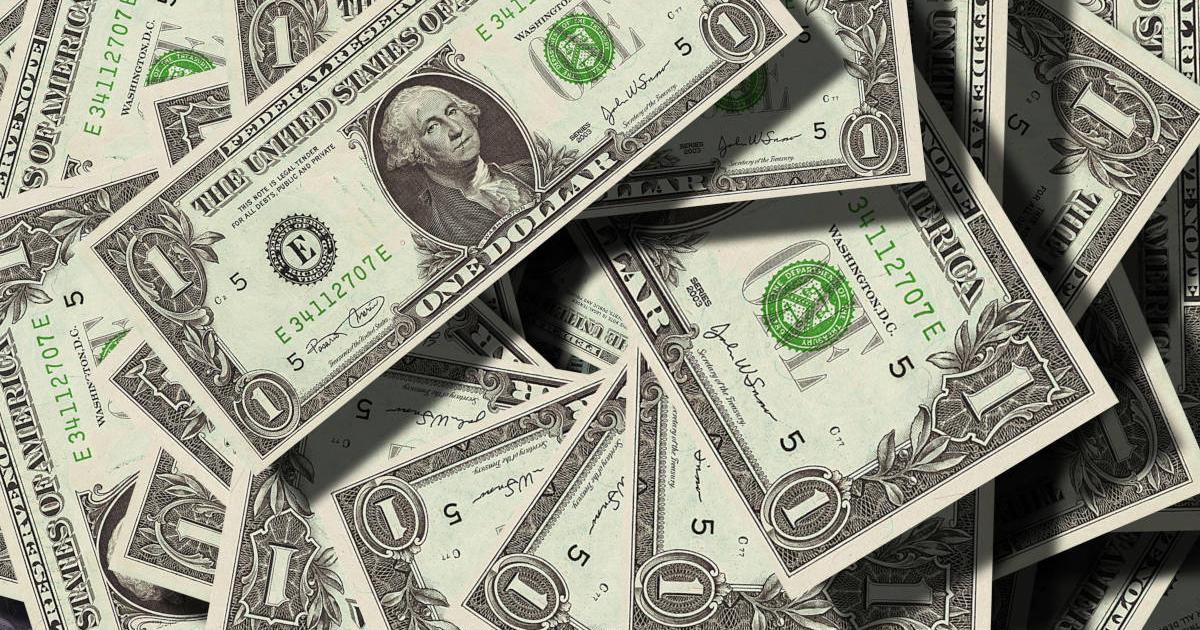
Top image: A collection of US dollars.
Source: Pexels.com.