
Archaeologists at the Turkish site of Uşaklı Höyük have uncovered compelling evidence of ritualized infant burials that may shed new light on previously unknown Hittite religious practices. The discovery of seven infant remains near a mysterious circular stone structure suggests the ancient site served as a sacred burial ground for the youngest members of Hittite society, potentially confirming its identity as the lost holy city of Zippalanda.
The eighteenth excavation campaign conducted by the Italian Archaeological Mission in Central Anatolia has revealed what researchers are calling unprecedented insights into Hittite burial customs. Led by Professor Anacleto D'Agostino from the University of Pisa, the international team's findings represent the first documented evidence of specialized infant burial practices from the Hittite period, offering a rare glimpse into rituals that remain absent from historical texts.
- Closer Still To Identifying The Lost City Of Zippalanda
- 3500-Year-Old Hittite Hieroglyphs Discovered In Anatolian Cattle Barn

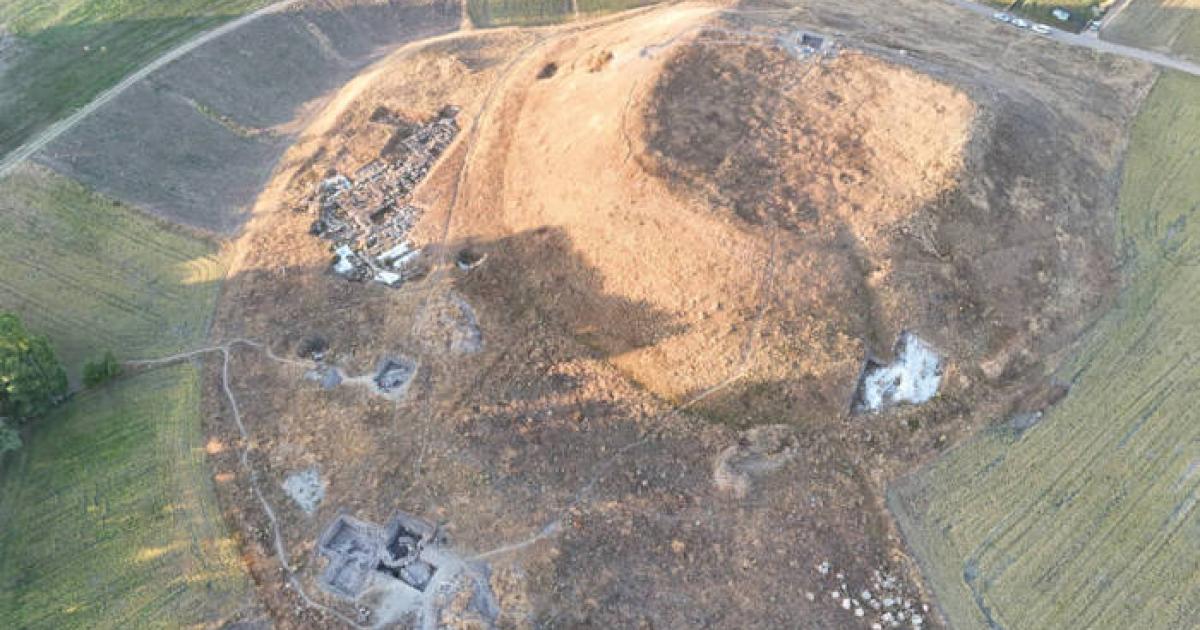
Excavations around the Circular Structure at Uşaklı Höyük, where the child burials have been found. ( Ingeborg Simon/CC BY-SA 3.0)
The Enigmatic Circular Structure
Central to this discovery is the so-called "Circular Structure," a monumental stone building first uncovered in 2021. Constructed from carefully laid stone blocks and positioned on a terrace north of the citadel, this enigmatic edifice has puzzled archaeologists since its initial discovery. The structure's purpose remained unclear until recent excavations revealed its association with infant remains, pottery fragments, ash deposits, and animal bones.
The discovery pattern suggests deliberate placement rather than casual disposal. Unlike traditional Hittite burials found in formal cemeteries, these infant remains were deposited in specific locations around the circular building, accompanied by ritual materials including ceramic vessels and evidence of fire-based ceremonies. The contextual evidence points to a consecrated space dedicated to rituals surrounding early death, similar to the tophet burial grounds found in Phoenician and Punic cities.
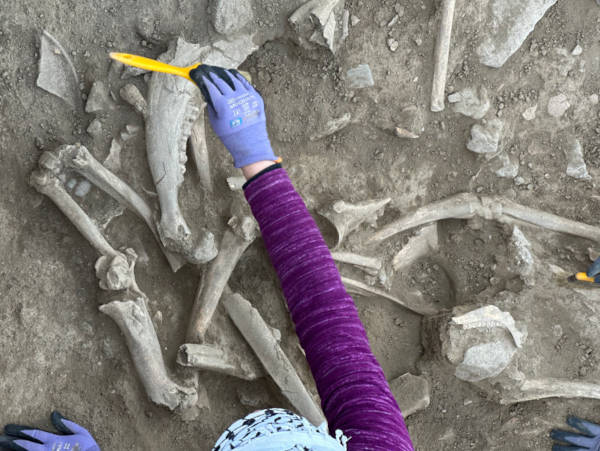
Animal remains found in a large late period pit in area F. (University of Pisa)
Evidence of Storm God Worship
Archaeological evidence increasingly supports the theory that Uşaklı Höyük represents the long-sought Hittite city of Zippalanda, a major cult center dedicated to the Storm God. This deity held paramount importance in Hittite religion, serving as the patron of weather, fertility, and royal power. The circular structure's ritual significance may be directly connected to Storm God worship, with infant burials representing offerings or consecrations to ensure divine protection.
Historical Hittite texts frequently reference Zippalanda as a sacred city where kings made pilgrimages to honor the Storm God, particularly during times of crisis or celebration. The archaeological team's findings align with these textual descriptions, as the site's monumental architecture and ritual deposits match the scale and significance expected of such an important religious center. Recent discoveries of additional walls dating to the late Hittite period suggest the Circular Structure maintained its sacred function over centuries.
- Previously Unknown Language Found on Ancient Hittite Tablets
- Mysterious Tunnel Unearthed in the Legendary Capital of the Hittites
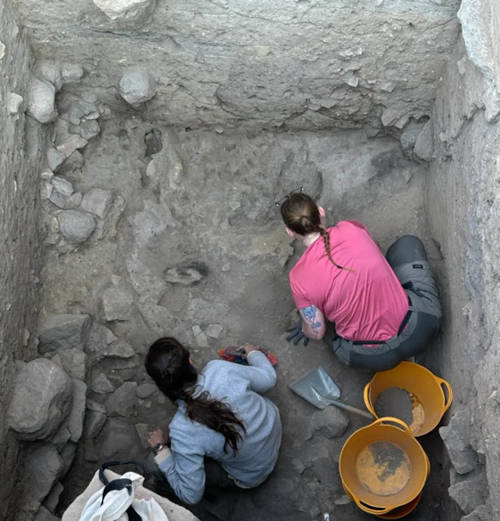
A floor covered in ash in the Area K study. (Uşaklı Höyük Archaeological Project / University of Pisa)
Scientific Analysis and Future Research
One particularly significant discovery involves a preserved infant tooth, which researchers believe could provide breakthrough data about Hittite populations through DNA analysis. The tooth's exceptional preservation and precise stratigraphic context make it an ideal candidate for genetic studies that could reveal information about the biological composition of people who inhabited the site during the Hittite period. Analysis is currently underway at Hacettepe University's Human G laboratory in Ankara.
The comprehensive study extends beyond human remains to include analysis of animal bones, ceramic fragments, and environmental samples. Researchers have identified remains from various domestic and wild species, including horses, donkeys, cattle, goats, and a hare, suggesting both sacrificial practices and evidence of the site's broader economic activities. Archaeobotanical studies of seeds, charcoal, and soil samples aim to reconstruct the ancient environment and agricultural practices that supported the settlement.

The Hittites - Hidden History of Hattusa Interview, from the Ancient Origins Store.
Implications for Understanding Hittite Society
The infant burial discoveries challenge previous assumptions about Hittite burial customs and religious practices. Historical sources provide extensive documentation of Hittite royal ceremonies, military campaigns, and diplomatic relations, but remain notably silent regarding rituals for deceased children. This gap in the written record makes the Uşaklı Höyük discoveries particularly valuable for understanding how ancient Anatolian societies approached death, childhood, and spiritual beliefs.
Top image: Aerial view of Uşaklı Höyük archaeological excavation showing the ancient Hittite settlement in central Anatolia, Turkey. Source: Uşaklı Höyük Archaeological Project / University of Pisa
By Gary Manners
References
D'Agostino, A. 2025. Uşaklı Höyük e il cerchio dei bambini perduti. Available at: https://www.unipi.it/news/usakli-hoyuk-e-il-cerchio-dei-bambini-perduti/
D'Agostino, A. 2025. Excavations and Research at Uşaklı Höyük: The Circle of the Lost Children. University of Pisa. Available at: https://www.cfs.unipi.it/2025/08/05/scavi-e-ricerche-a-usakli-hoyuk-il-cerchio-dei-bambini-perduti/
Greek Reporter. 2025. Infant Remains at Ancient Hittite Site Shed Light on Burial Customs. Available at: https://greekreporter.com/2025/08/09/infant-remains-ancient-hittite-site-burial-customs/
La Brújula Verde. 2025. Remains of Seven Children Discovered in a Mysterious Hittite Circular Structure. Available at: https://www.labrujulaverde.com/en/2025/08/remains-of-seven-children-discovered-in-a-mysterious-hittite-circular-structure-in-ancient-zippalanda/