
View Recent Blogs

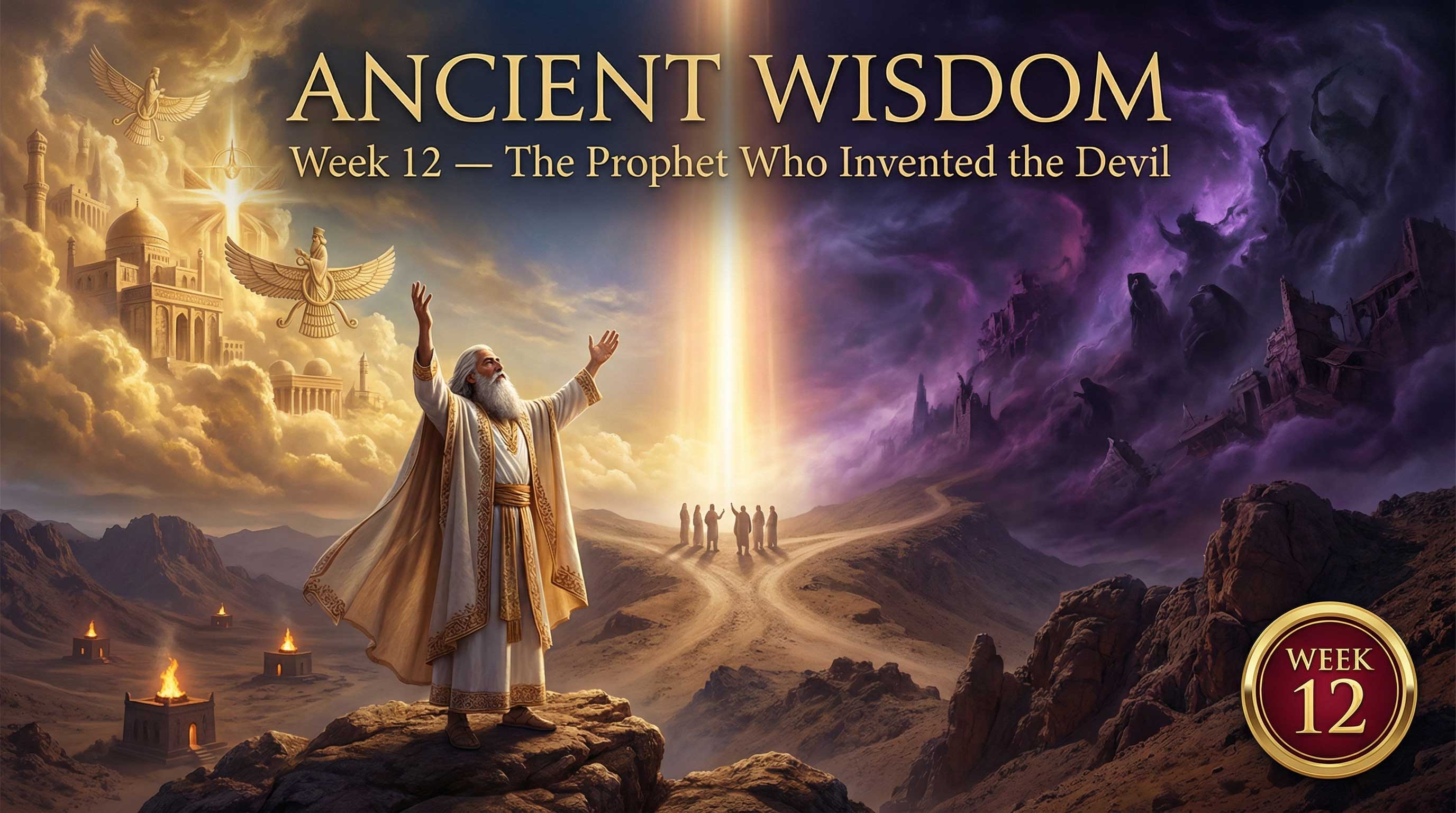
The most important people in religion could be named Jesus Christ, Muhammad, Moses or the Buddha. But there is an important religious thinker from a very remote time who appears to have had a profound influence on the fundamental beliefs of both the major western religions. This is Zarathustra (Zoroaster to the Greeks). He was a mystic, poet, and revolutionary living in ancient Persia (modern Iran) between 1500-1000 BC.
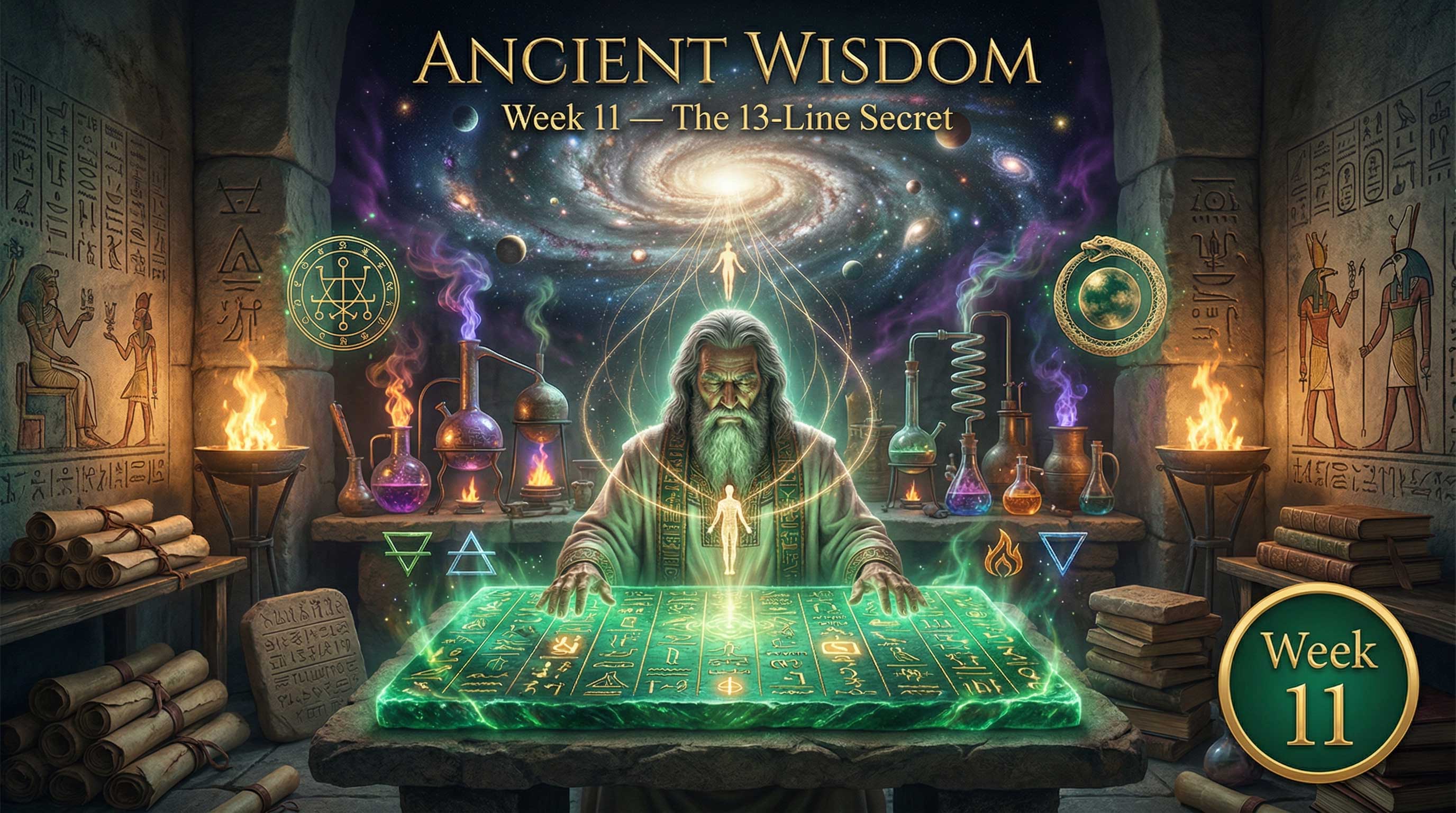
It is one of the most enigmatic and influential documents in the history of human thought. Alchemical in nature, the Emerald Tablet contains thirteen lines of text and is said to contain wisdom and understanding from the time of Hermes Trismegistus, one of the most significant sages of antiquity. For over a thousand years, this document has been influencing the thoughts of many great minds, including Isaac Newton.

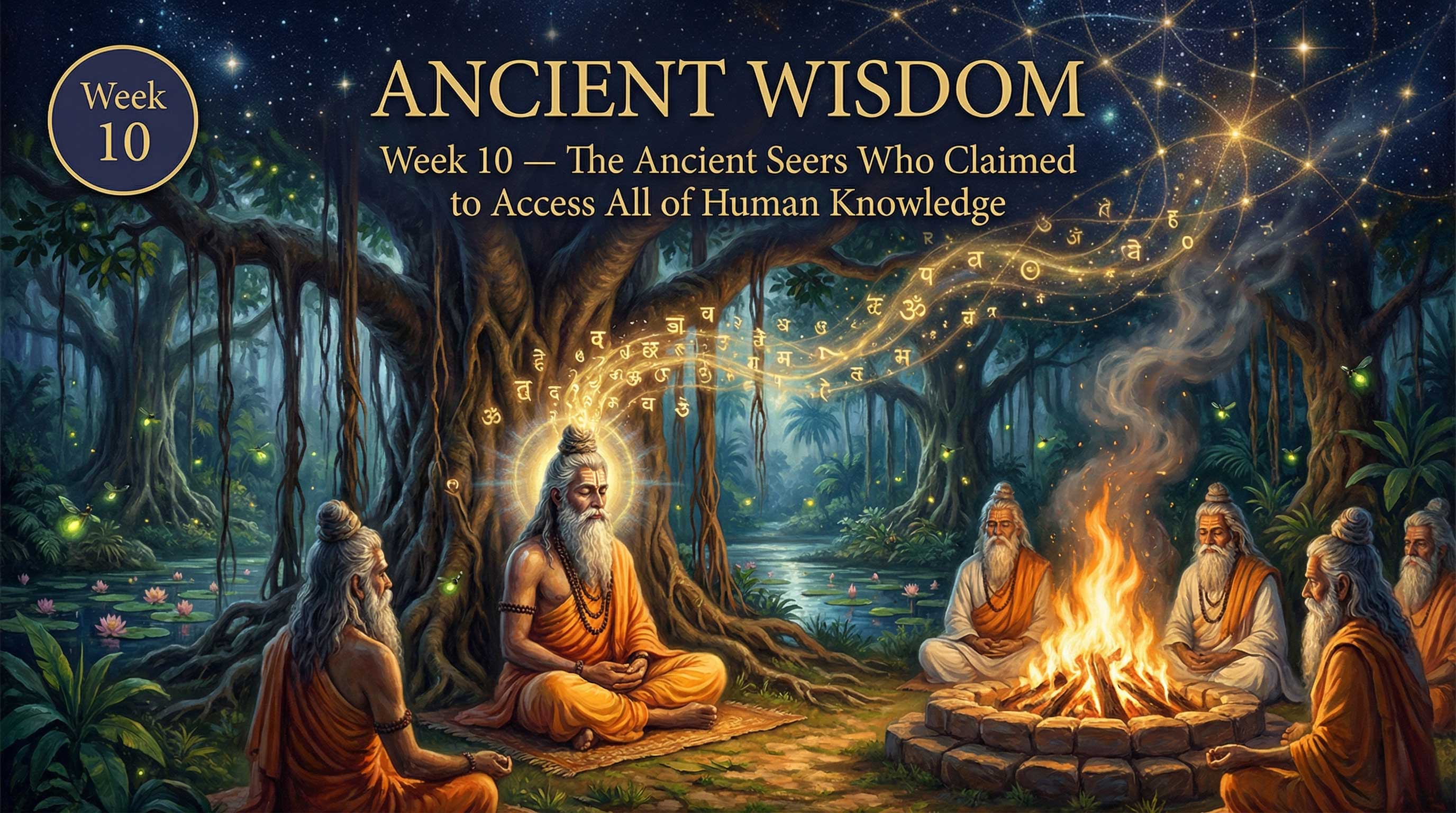
The past nine weeks have seen the exploration of profound insights provided by the great philosophers such as Plato and Aristotle, who developed their models of the universe by employing the techniques of logical reasoning and analytical thought. However, what if there is another method of knowing that does not utilize logic, but relies on a direct experience of the universe itself?

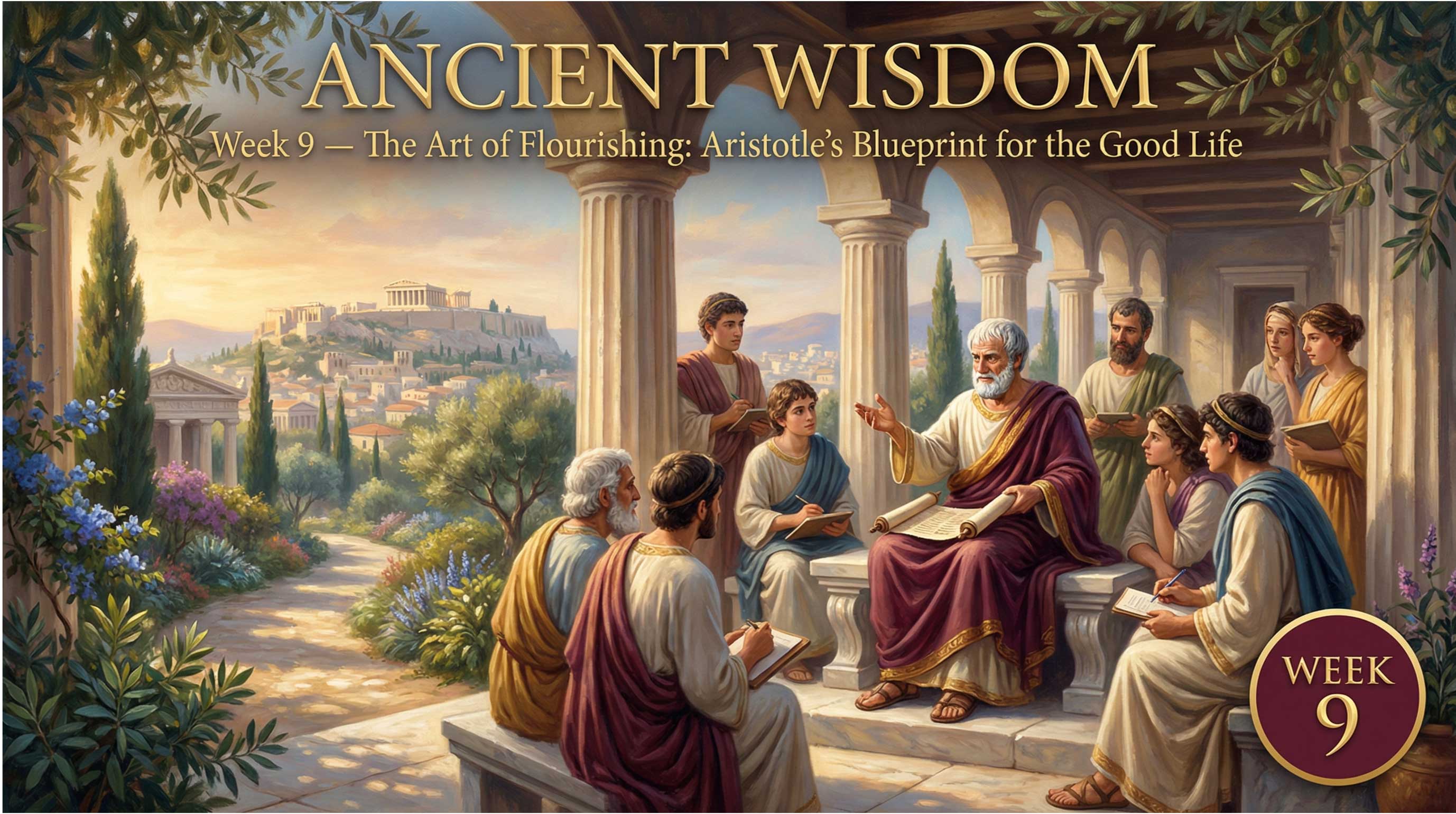
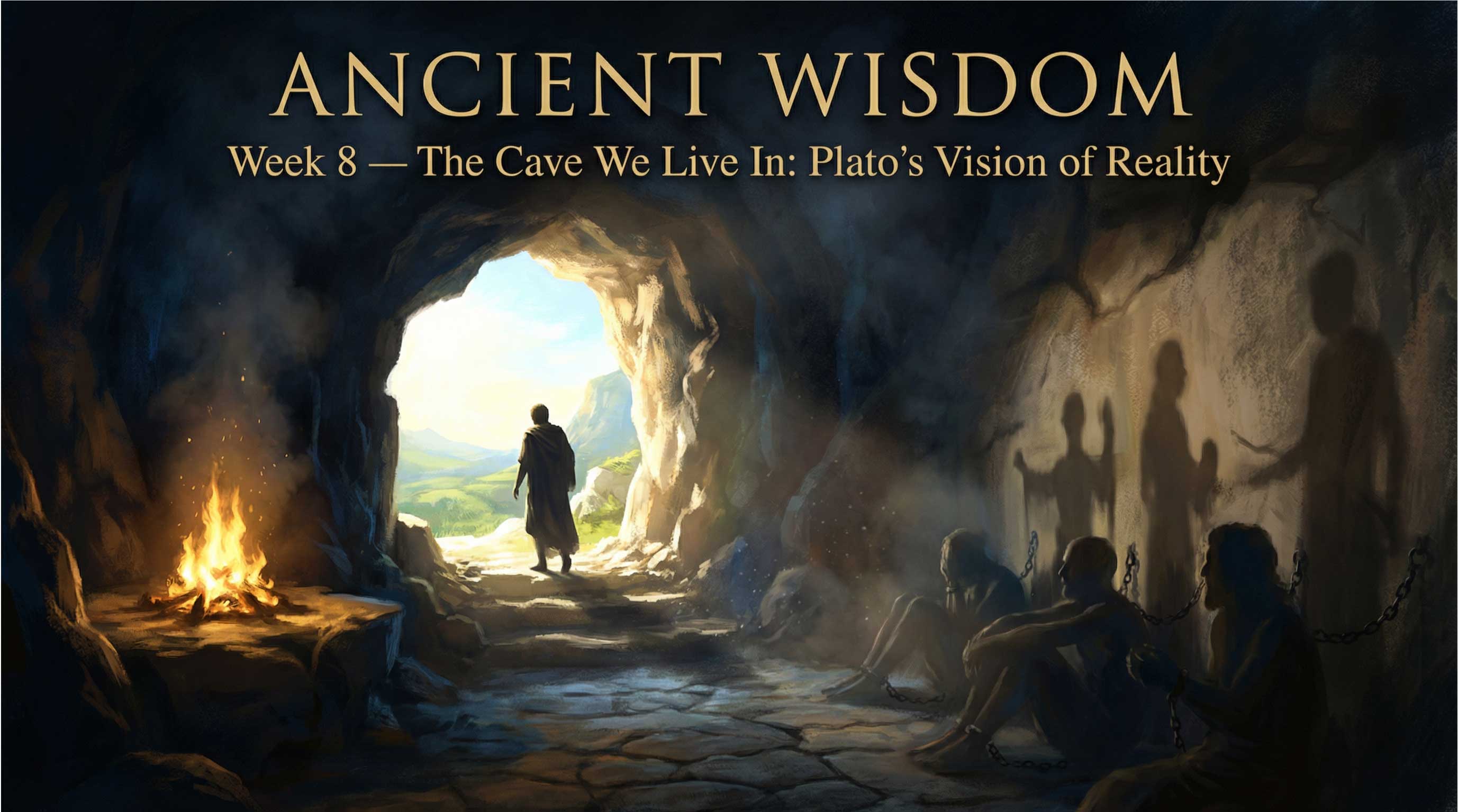
Plato's Allegory of the Cave examined the radical possibility that our understanding of reality may be based on only a limited number of shadows. The philosopher Plato, who was an idealist of sorts, asked the question What is real? His student Aristotle was concerned with the practical question of how one should live; his question was more immediate than Plato's. While Plato pointed toward the transcendent world of Forms, Aristotle focused on how we can live "well" or flourish as a human being in the physical world.

Western Civilization has wrestled with the haunting story of the Allegory of the Cave for over 2,000 years. This story depicts people chained inside of a cave, who believe that what they see (the shadows on the wall) is reality. Today, social media, virtual reality, and an algorithm-driven news feed are creating a new set of challenges for us. The ancient message of the Allegory of the Cave is one of the most relevant messages today.

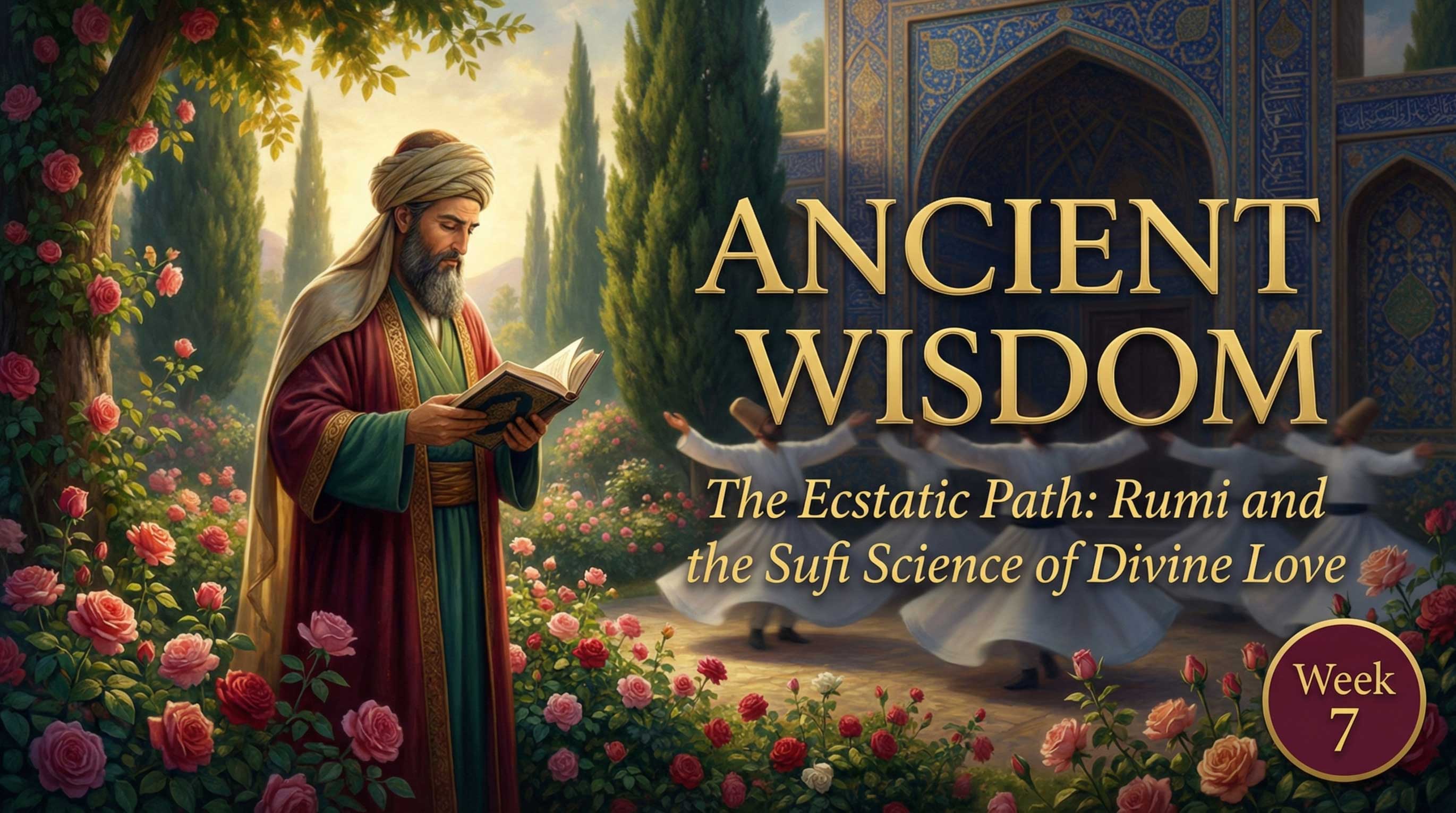
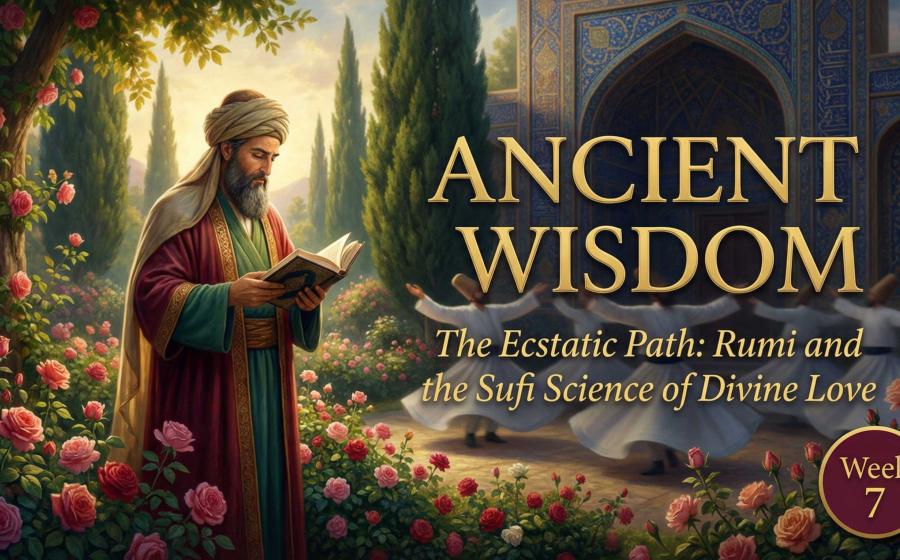
"Your task is not to seek for love, but merely to seek and find all the barriers within yourself that you have built against it." - Rumi When faced with division, uncertainty and the volume of noise caused by technology there is one question that remains: Where do we turn to find Meaning? Humans desire a place where we can be connected with one another, have purpose and experience a type of love that transcends simple transactions. We build careers, family and an identity, but at times we experience a void within us that is unnameable, a void that longs for something more than what we have created for ourselves. Rumi, a Persian poet and Sufi Mystic of the 13th

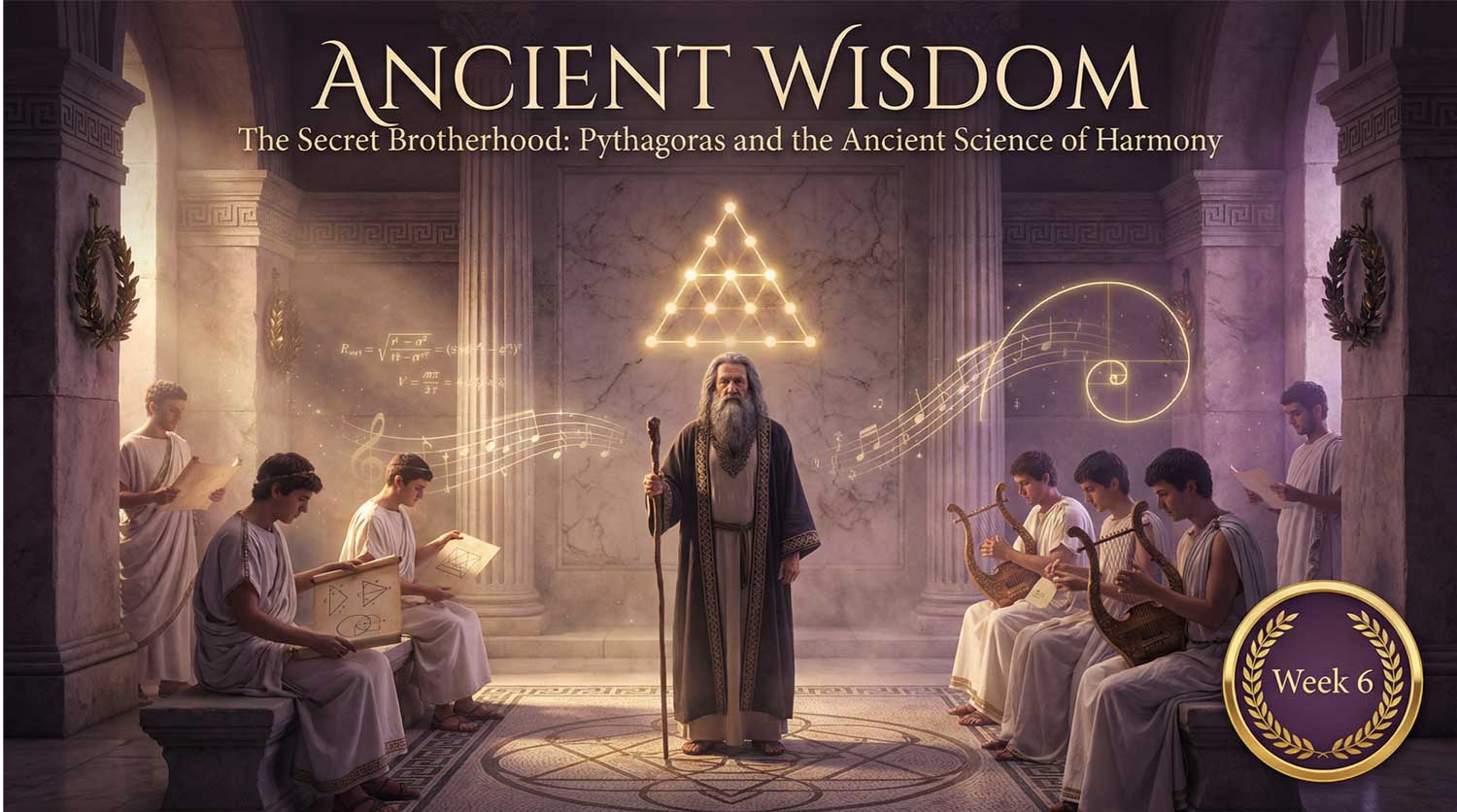
The Pythagorean Brotherhood, was formed in Southern Italy's coastal regions around 580 BCE by a mystical teacher known as Pythagoras, who was said to possess mystical powers or extraordinary abilities (he had "a golden leg" and could be "two places at once"). This brotherhood pursued a radically different approach to life. The Pythagorean philosophy maintained that everything about the universe is based on numerical relationships; music heals the spirit, and there is celestial harmony created by the motion of the planets. 

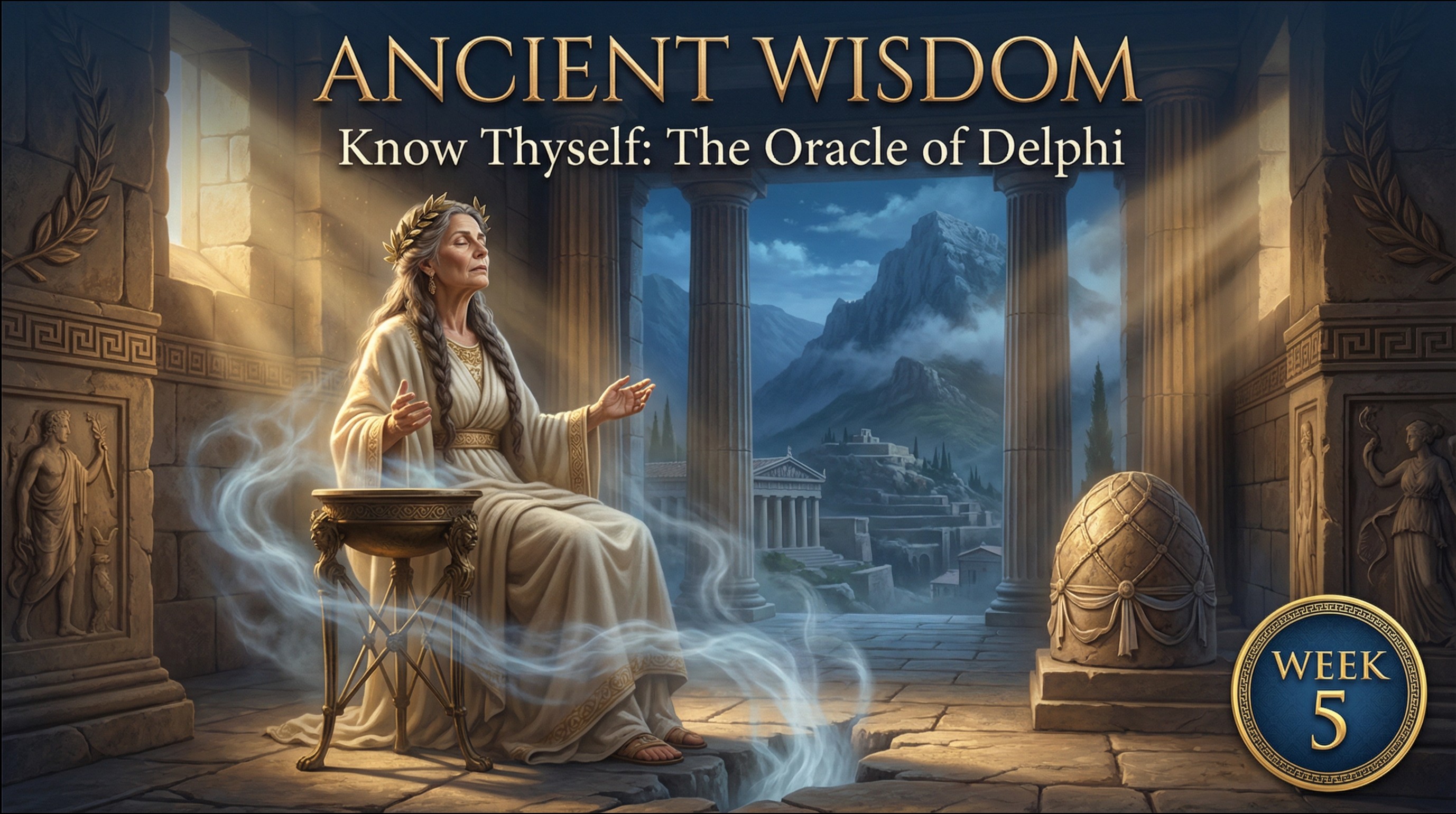
More than 1,000 years ago, many of the strongest leaders of the ancient world, kings, warriors, intellectuals, left their homes and traveled to a remote mountain location in Greece. They did not go to hear prophecies of what was going to happen in the future but rather to obtain something more valuable than a prophecy: a road map for living successfully.