
A groundbreaking genetic study has overturned long-held assumptions about the history of leprosy in the Americas. Researchers have reconstructed the ancient genomes of Mycobacterium lepromatosis, a rare cause of Hansen's Disease, from 4,000-year-old human remains in Chile, revealing that this debilitating illness was already present in the Americas long before European contact, reports the Max-Planck Institute.
This discovery challenges the widely accepted view that leprosy was introduced to the Americas during the colonial period and suggests the Americas hosted their own unique strain of the disease thousands of years ago.
"We were initially suspicious, since leprosy is regarded a colonial-era disease," said Darío Ramirez, a doctoral candidate at the National University of Córdoba. "But more careful evaluation of the DNA revealed the pathogen to be of the lepromatosis form."
The study, conducted by researchers from Germany, Argentina, and Chile, marks the first time that ancient genomes of Mycobacterium lepromatosis - the lesser-known cousin of Mycobacterium leprae - have been successfully reconstructed. While M. leprae has been extensively documented in Eurasia and associated with early Neolithic settlements, M. lepromatosis has remained largely a mystery.
- Caribbean Island Skull Reveals Evidence of Old World Leprosy, Study
- Uncovering the ancient roots of leprosy

Skeleton that yielded a 4000-year-old M. lepromatosis genome. (© Oscar Eduardo Fontana-Silva & Anna Brizuela/MPG)
A Forgotten Disease with Ancient Roots
Hansen's Disease, commonly known as leprosy, is a chronic infectious disease that can cause nerve damage, skin lesions, and deformities if left untreated. Although it is rare today and treatable with modern antibiotics, the disease once held a terrifying reputation and carried social stigma for centuries.
Prior to this new research, no skeletal remains in the pre-contact Americas had shown the characteristic bone changes associated with leprosy, leading scholars to believe it arrived with European colonizers. However, the discovery of the pathogen in skeletons from northern Chile dating back 4,000 years has now confirmed that this was not the case.
"Ancient DNA has become a great tool that allows us to dig deeper into diseases that have had a long history in the Americas," said Kirsten Bos, leader of the Molecular Paleopathology group at the Max Planck Institute for Evolutionary Anthropology in Leipzig, Germany.
The team worked closely with local experts to select bones from archaeological sites in Chile, which showed subtle signs of possible infection. Using advanced DNA sequencing methods, they isolated and reconstructed the ancient pathogen genomes. The exceptional preservation of the genetic material surprised researchers.
"These pathogens in particular had amazing preservation, which is uncommon in ancient DNA, especially from specimens of that age," noted Lesley Sitter, a postdoctoral researcher on the team.
- How An Infamous Welsh Pirate Destroyed the Conquistadors' City of Panama Viejo
- Giant Sinkhole Is Growing In Chile’s Atacama Desert

Darío Ramirez samples pathological bone in the ancient DNA facility at the Max Planck Institute for Evolutionary Anthropology. (© Rodrigo Nores/MPG)
A New Pathogen Lineage in the Americas
The pathogen recovered from the Chilean skeletons is genetically related to modern strains of M. lepromatosis, but given the limited number of modern genomes available, many questions remain.
"This disease was present in Chile as early as 4,000 years ago, and now that we know it was there, we can specifically look for it in other contexts," said Rodrigo Nores, professor of anthropology at the National University of Córdoba.
The implications of this find are profound. It demonstrates that two different bacterial species - M. leprae and M. lepromatosis - evolved separately for thousands of years, causing the same disease on opposite sides of the world. This challenges the single-origin narrative that dominated previous understandings of leprosy's past.
"It remains to be determined if the disease originated in the Americas, or if it joined some of the first settlers from Eurasia," added Bos. "So far the evidence points in the direction of an American origin, but we'll need more genomes from other time periods and contexts to be sure."

Uncovering the Invisible Past
The researchers note that the pre-Columbian Americas have long lacked a well-documented disease history, not because diseases were absent, but because the skeletal evidence is difficult to interpret. Many infectious diseases leave little trace on bone, and the devastating impact of European-introduced epidemics erased much of the existing epidemiological record.
"The advanced techniques now used to study ancient pathogen DNA allows us to look beyond the suspects and into other diseases that might not be expected from the context," Bos explained.
The recovery of ancient M. lepromatosis genomes opens a new frontier in understanding indigenous diseases that shaped human health in the Americas for millennia.
As scientists continue to sequence ancient DNA, the team expects more hidden histories to emerge - illnesses that were once widespread but have been forgotten or obscured by the tragedies of colonization and conquest.
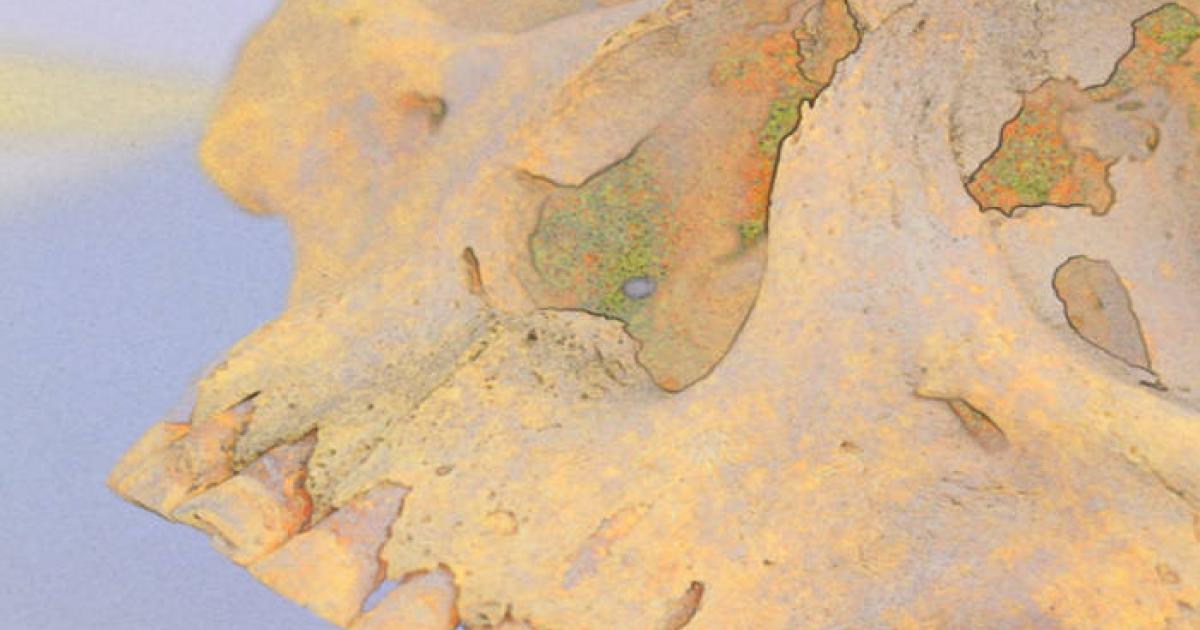
Top image: Skull from which two genomes of Mycobacterium lepromatosis in 4000-year-old human skeletons from Chile were sources. Source: © José Castelleti-Dellepiane & Anna Brizuela/MPG
By Gary Manners