
March
23
/ 2026
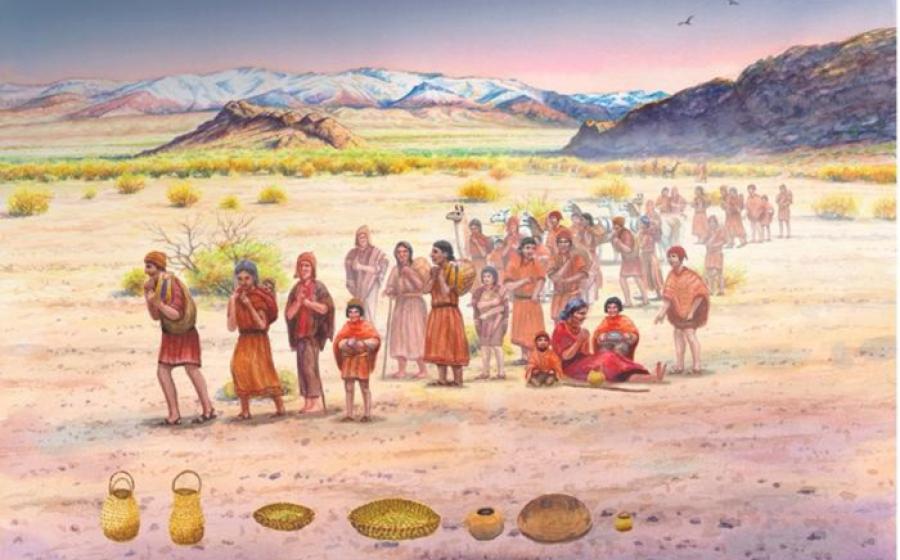
A groundbreaking interdisciplinary study has unveiled the dramatic 2,000-year history of a population living at the southern edge of the ancient Andean farming frontier. By analyzing ancient DNA from Argentina's Uspallata Valley, researchers discovered that local hunter-gatherers adopted agriculture themselves, rather than being replaced by incoming farmers. However, this transition eventually pushed the society to the brink of collapse, revealing a harrowing tale of climate instability, malnutrition, and disease that forced communities to rely on deep family networks for survival. The findings, published in the journal Nature, offer unprecedented insights into how agriculture reshaped human societies and how ancient people navigated prolonged periods of hardship. The research team, led by the Microbial Paleogenomics Unit at Institut Pasteur, combined ancient human