March
23
/ 2026
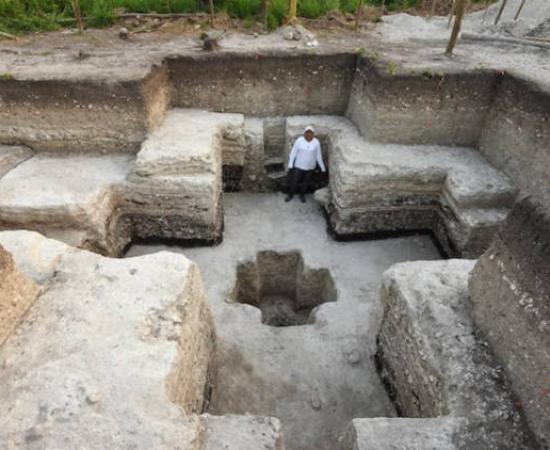
A series of unusual architectural formations emerging from the dense forests of the Yucatán Peninsula is reshaping how archaeologists understand ancient Maya commerce. These structures, arranged in striking concentric patterns, may represent some of the most compelling evidence yet for built marketplaces in the Classic Maya world. Recent research led by archaeologist Ivan Šprajc has identified dozens of these “nested constructions” across the central and western Maya Lowlands, particularly in present-day Campeche, Mexico. Their layout, distribution, and associated features suggest that they functioned as organized centers of trade rather than purely ceremonial or residential spaces. These low platforms likely supported perishable market stalls, where goods were displayed and exchanged. The spaces between them would have served as walkways, allowing movement