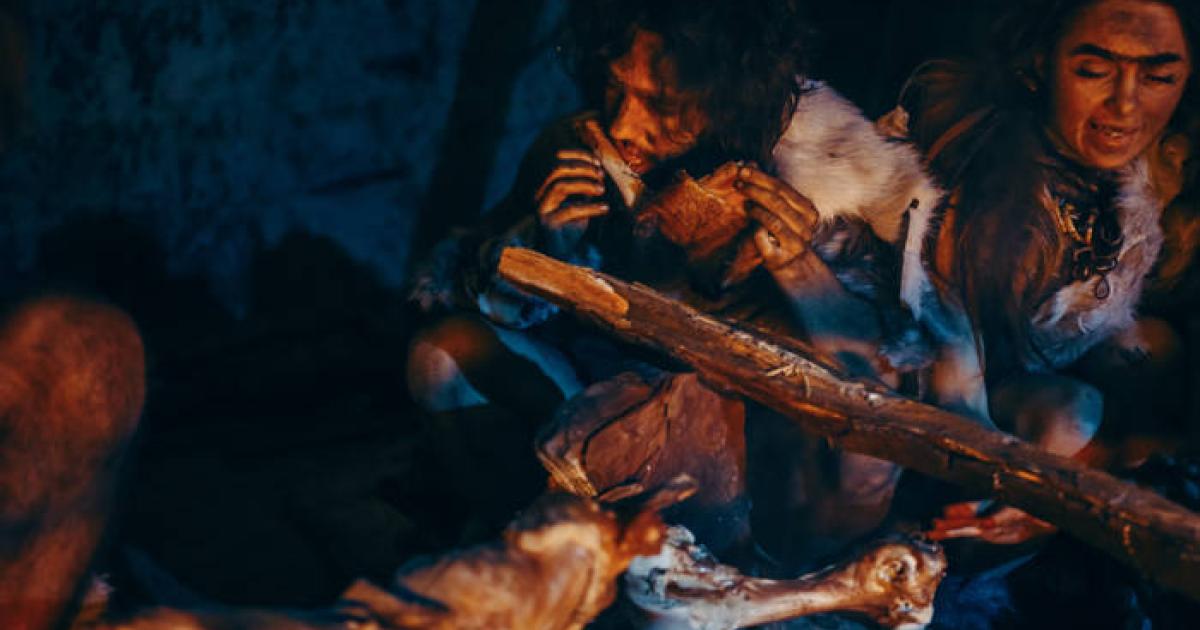

A chilling discovery in the depths of Belgium's Goyet caves has revealed that Neanderthals engaged in selective cannibalism approximately 45,000 years ago, deliberately targeting gracile women and children from rival groups. New research published in the journal Scientific Reports provides the most comprehensive evidence yet of inter-group violence among Late Pleistocene Neanderthal populations, painting a grim picture of competition and conflict during a critical period in human prehistory.
The study, conducted by an international team of researchers, examined the skeletal remains of at least six individuals discovered in the Troisième caverne of Goyet in Belgium. What makes this assemblage particularly disturbing is not just the evidence of cannibalism, but the demographic pattern of the victims. Four of the individuals were identified as adult or adolescent females of notably short stature and gracile build, while the remaining two were young males—a child and a newborn infant. According to IFL Science, genetic analysis confirmed the sex of seven specimens, revealing this troubling pattern of selective predation.
- Neanderthal Group Cannibalized their Dead and Used Human Bones as Tools
- Neanderthals and Humans Were at War For 100,000 Years

The Goyet caves in Belgium where the cannibalized remains were discovered. (Beaux Villages de Wallonie)
Unmistakable Signs of Butchery and Violence
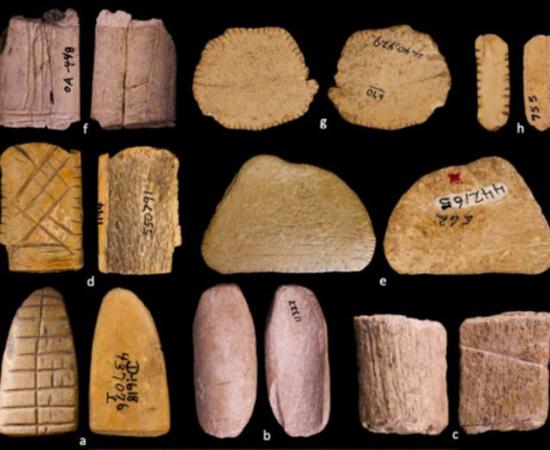
The bones discovered at Goyet represent the largest assemblage of cannibalized Neanderthal remains in northern Europe. Nearly one-third of the 101 skeletal fragments bear unmistakable signs of anthropogenic modification, including cutmarks from defleshing and disarticulation, fresh-bone fractures, and percussion notches indicating marrow extraction. The processing of these human remains mirrors the butchery patterns observed on the associated animal bones from horses and reindeer found at the site, suggesting nutritional cannibalism rather than ritualistic practices.
The skeletal analysis revealed even more disturbing details. The adult female victims were significantly shorter than typical Neanderthals, with estimated statures falling well below the average range for their species. One individual measured so short that she fell nearly two standard deviations below the Neanderthal norm. The structural properties of their limb bones indicated gracile morphologies with reduced diaphyseal robusticity compared to other Neanderthals, suggesting these individuals were deliberately selected based on their physical vulnerability.
- Modern Humans and Neanderthals Lived Together in Northern Europe
- Grisly Discovery in Spain Reveals Neanderthal Family Was Butchered and Eaten
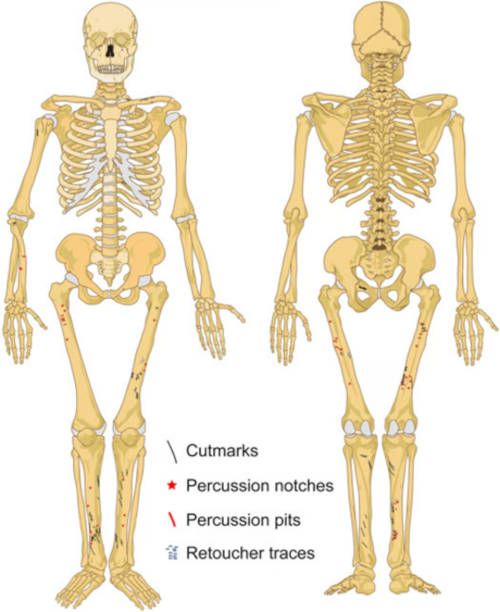
Neanderthal bones showing cutmarks and butchery evidence. (Nature Scientific Reports)
Non-Local Origins Point to Inter-Group Conflict
Isotopic analysis of the victims indicated that all the cannibalized individuals were non-local, meaning they did not belong to the Neanderthal group that consumed them. This finding transforms the interpretation from possible endocannibalism (eating members of one's own group) to exocannibalism - the consumption of outsiders, typically associated with warfare and inter-group violence.
The victims shared similar isotopic signatures, suggesting they came from the same geographic region and possibly belonged to a single social group or multiple groups with similar diets. Despite being foreigners, their skeletal structure showed no particular adaptations for high mobility, meaning they likely did not stray into hostile territory while foraging. This evidence points toward a more sinister conclusion: they were targeted and captured.
The researchers conducted statistical analysis comparing the Goyet assemblage to theoretical mortality profiles and other Neanderthal populations. The probability of the observed demographic composition—four adult females, no adult males, and two juveniles—occurring by chance was statistically highly unlikely. This strongly suggests deliberate selection of weaker individuals, possibly as a strategy to undermine the reproductive potential of competing groups.
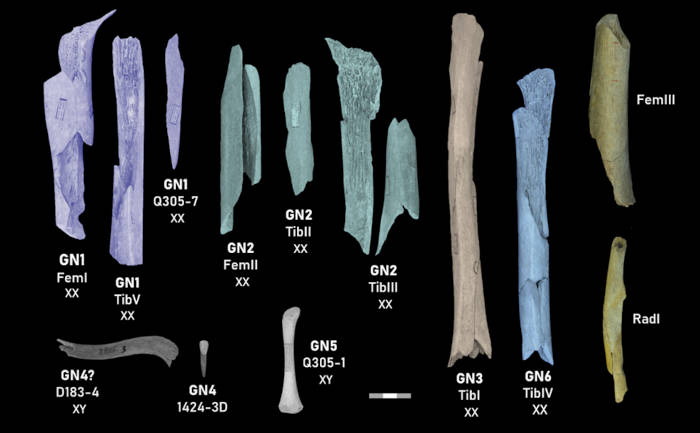
Neanderthal skeletal remains from the Goyet caves in Belgium showing evidence of cannibalism and butchery, with XX being female and XY being male. (Cosnefroy et al. /Nature)
Competition in a Changing World
The timing of these events, dated between 41,000 and 45,000 years ago, coincides with a period of significant upheaval in Ice Age Europe. This era marked the gradual arrival of Homo sapiens in western Europe, with modern human groups documented roughly 600 kilometers away at Ranis, Germany, around the same time. The additional competition and stress that our ancestors' presence placed on Neanderthal populations may have triggered increased inter-group violence and territorial conflicts.
The Belgian territory along the Sambre-Meuse axis during this period appears to have been a cultural corridor between Western European Mousterian-type industries and Central and Eastern European "Keilmesser group" traditions. These strong cultural differences might indicate limited interaction between contemporaneous Neanderthal groups who perceived each other as different or threatening. As demographic pressure increased with the arrival of Homo sapiens groups, competition for resources likely intensified, potentially triggering episodes of violence and cannibalism.
Understanding Neanderthal Violence
While the precise motivations behind this act remain impossible to determine with certainty, the evidence suggests targeted predatory behavior toward vulnerable members of neighboring groups. In ethnographic records, exocannibalism is consistently associated with warfare or competition between groups, involving the violent abduction of individuals from outside communities. The unusual demographic profile at Goyet - the overrepresentation of gracile females and juveniles - cannot be explained by natural mortality patterns or simple subsistence needs, especially given the abundant animal remains at the site.
The researchers propose that this selection strategy might have aimed at undermining the reproductive capacity of competing groups, a behavior documented in multiple contexts of inter-group conflict from the Neolithic onward. This case at Goyet represents the most compelling evidence to date for inter-group competition among Late Pleistocene Neanderthal populations, challenging simplified narratives about our extinct cousins.
The discovery adds another layer to our understanding of Neanderthal behavior, revealing that these ancient humans faced many of the same pressures and engaged in some of the same brutal practices as modern humans when resources became scarce and populations competed for survival. Far from being simple brutes, Neanderthals demonstrated strategic thinking in their selection of victims, even in their darkest moments.
Top image: Neanderthals eating a feast of meat. Source: Gorodenkoff/Adobe Stock
By Gary Manners
References
Crevecoeur, I. et al. 2025. Highly selective cannibalism in the Late Pleistocene of Northern Europe reveals Neandertals were targeted prey. Available at: https://www.nature.com/articles/s41598-025-24460-3
IFL Science. 2025. 45,000 Years Ago, These Neanderthals Cannibalized Women And Children From A Rival Group. Available at: https://www.iflscience.com/45000-years-ago-these-neanderthals-cannibalized-women-and-children-from-a-rival-group-81651
Rougier et al., 2016. Neandertal cannibalism and Neandertal bones used as tools in Northern Europe. Available at: https://www.nature.com/articles/srep29005