
A Storied Discovery and Controversy
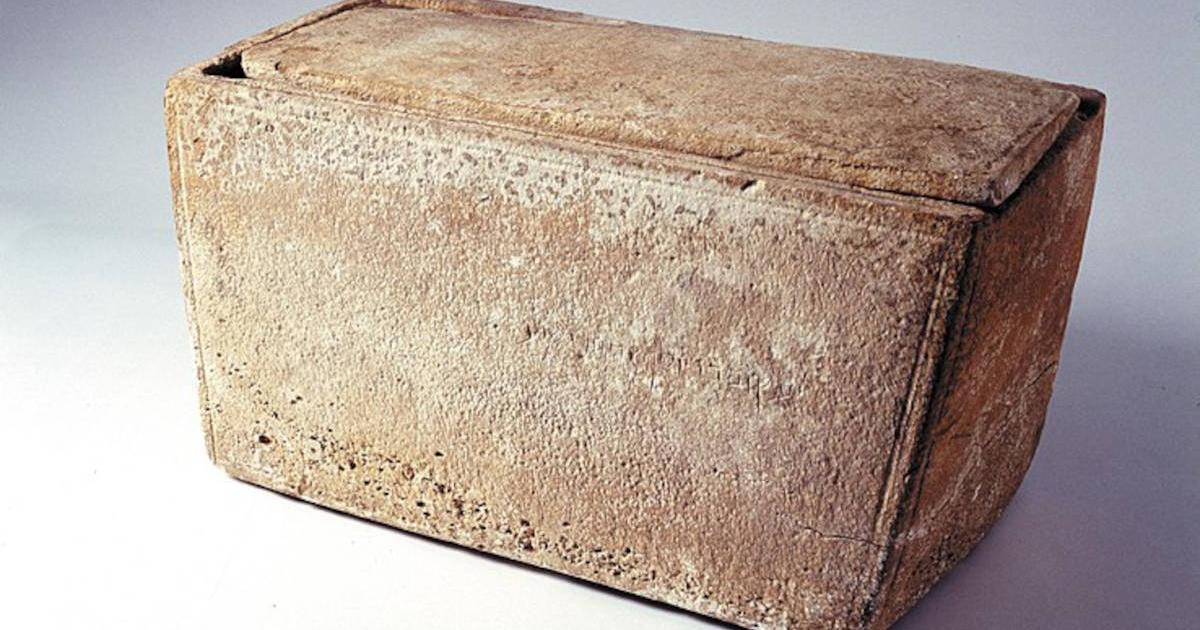
The ossuary first came to light in 1976, but entered public consciousness in 2002 when its full inscription was revealed to the public. The Aramaic text on the bone box appeared to directly reference James the Just, an early leader of Christians in Jerusalem and believed by many to be the brother of Jesus of Nazareth.
Heralded by some as the most significant Biblical artifact ever found, the ossuary quickly became a lightning rod for controversy, reports The Daily Mail.
In 2003, Oded Golan, the antiquities collector who owned the ossuary, was accused of forgery. Critics alleged that while the ossuary itself was ancient, the phrase “brother of Jesus” was added later to increase its value, in an unscrupulous attempt to take advantage of the rising interest in the true history of Christianity.
- Professors Find Original Greek Copy of Jesus’ Teachings to James
- One Japanese Legend Claims That Jesus Christ Lived and Died in Japan
Golan fought to clear his name during a ten-year trial, ultimately securing an acquittal in 2012. However, the court’s verdict stopped short of confirming the inscription’s authenticity.
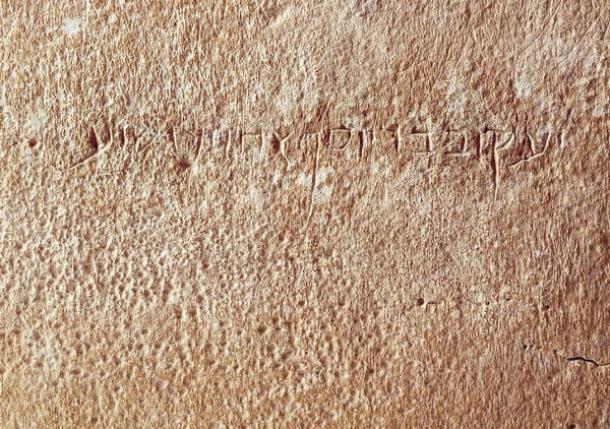
Close-up of the Aramaic letters inscribed on the James Ossuary. Photographed while the James Ossuary was on display at the Royal Ontario Museum from November 15, 2002 to January 5, 2003. (Paradiso).
From Golan’s perspective, however, there is nothing left that needs confirming.
“We conducted several chemical tests, particularly on the inscription itself, which is the most critical element of the ossuary,” Golan said in a recent interview with Crosswalk. “We proved that the entire inscription is authentic - it was engraved several thousand years ago.”
The Mystery of the Empty Box and the Mystery of James
During the first century, Jewish burial practices often involved placing bones in ossuaries after an initial interment. The James Ossuary, however, is empty, with the bones it once held lost to time (if indeed it once held bones). If authentic, the box would stand as the earliest physical evidence of Jesus and his family, a tantalizing connection to the foundational figures of Christianity!
- The Surprising Links Between Alexander the Great and Christianity
- Searching for Truth in Bones: The Mysterious Relics of Mary Magdalene
Skepticism persists to this day, however, particularly among theologians who adhere to the belief that Mary, the mother of Jesus, remained a virgin throughout her life. This view complicates the idea that Jesus had siblings, casting doubt on the ossuary’s association with James the Just.
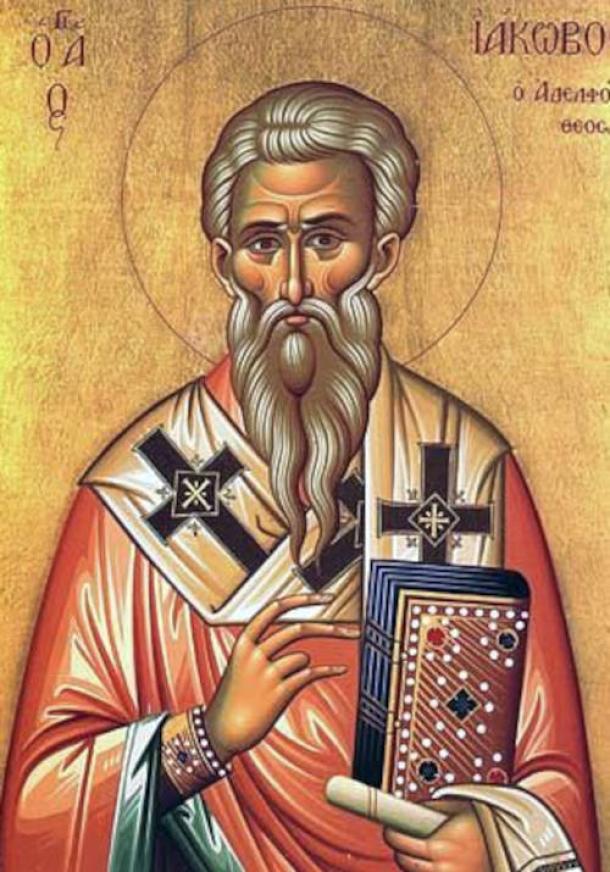
Neo-Byzantine painting of James the Just, the alleged brother of Jesus Christ. (Public Domain).
The Bible references Jesus’ brothers—James, Jude, Simon, and Joses—multiple times, often portraying them as skeptical of his divine mission. According to the Gospel of Mark, Jesus’ family once sought to “seize him,” believing he was “out of his mind” (Mark 3:21).
James later emerged as a central figure in early Christianity, leading the Jerusalem church and dying a martyr. Historical accounts differ on the manner of his death. Some suggest he was killed by stoning in 62 AD on the orders of a high priest, while others claim he was thrown from the Temple’s pinnacle and clubbed to death during political unrest in 69 AD. Since there is no physical evidence to support either claim, the truth about James’ demise will remain a mystery.
A Possible Connection to the Talpiot Tomb
In 2015, researchers investigated whether the James Ossuary might have originated from the Talpiot Tomb, discovered near Jerusalem in 1980. This burial site contained six ossuaries, some inscribed with names such as Jesus, Mary, and Joseph. Chemical analysis revealed a match between the James Ossuary and the Talpiot Tomb, reigniting debates about its provenance.
Added to the fray was a 1,600-year-old text from the Nag Hammadi library that references James as Jesus’ brother, though “not materially.” Known as the “First Apocalypse of James,” the text details Jesus sharing prophetic insights with James, including forewarnings of his martyrdom. Considered heretical by early church authorities, this Gnostic manuscript offers an alternative perspective on the relationship between Jesus and James, which of course makes it as controversial as anything else connected with this story.
The James Ossuary is currently part of an exhibit that features approximately 350 historical artifacts, and several unanswered questions about it remain. Was this truly the final resting place of James the Just? And if so, what does it reveal about the family and followers of Jesus during Christianity’s earliest days?
Science and faith will continue to grapple with the answers to these questions, although a definitive verdict about the legitimacy of this amazing artifact may never be achieved.
Top image: Photograph taken while the James Ossuary was on display at the Royal Ontario Museum from November 15, 2002 to January 5, 2003.
Source: Paradiso.
By Sahir Pandey
References
Foust, M. 2024. First-Century Box Held Bones of James, Brother of Jesus, Collector Says. Available at: https://www.crosswalk.com/headlines/contributors/michael-foust/first-century-box-held-bones-of-james-brother-of-jesus-collector-says.html.
Liberatore, S. 2024. Bone box of Jesus' brother discovered in Israel deemed 'most significant item from time of Christ'. Available at: https://www.dailymail.co.uk/sciencetech/article-14214411/bone-box-jesus-brother-discovered-israel-time-christ.html.