
Premium Articles

Ancient Origins Premium bring you the latest discoveries, theories, and insights from the world of history, archaeology, mythology, and ancient mysteries. Written by leading experts and researchers, these articles go beyond the surface to explore humanity’s past in depth, connecting ancient wisdom with modern understanding. Dive into a constantly growing collection of well-researched, thought-provoking content available exclusively to our members.

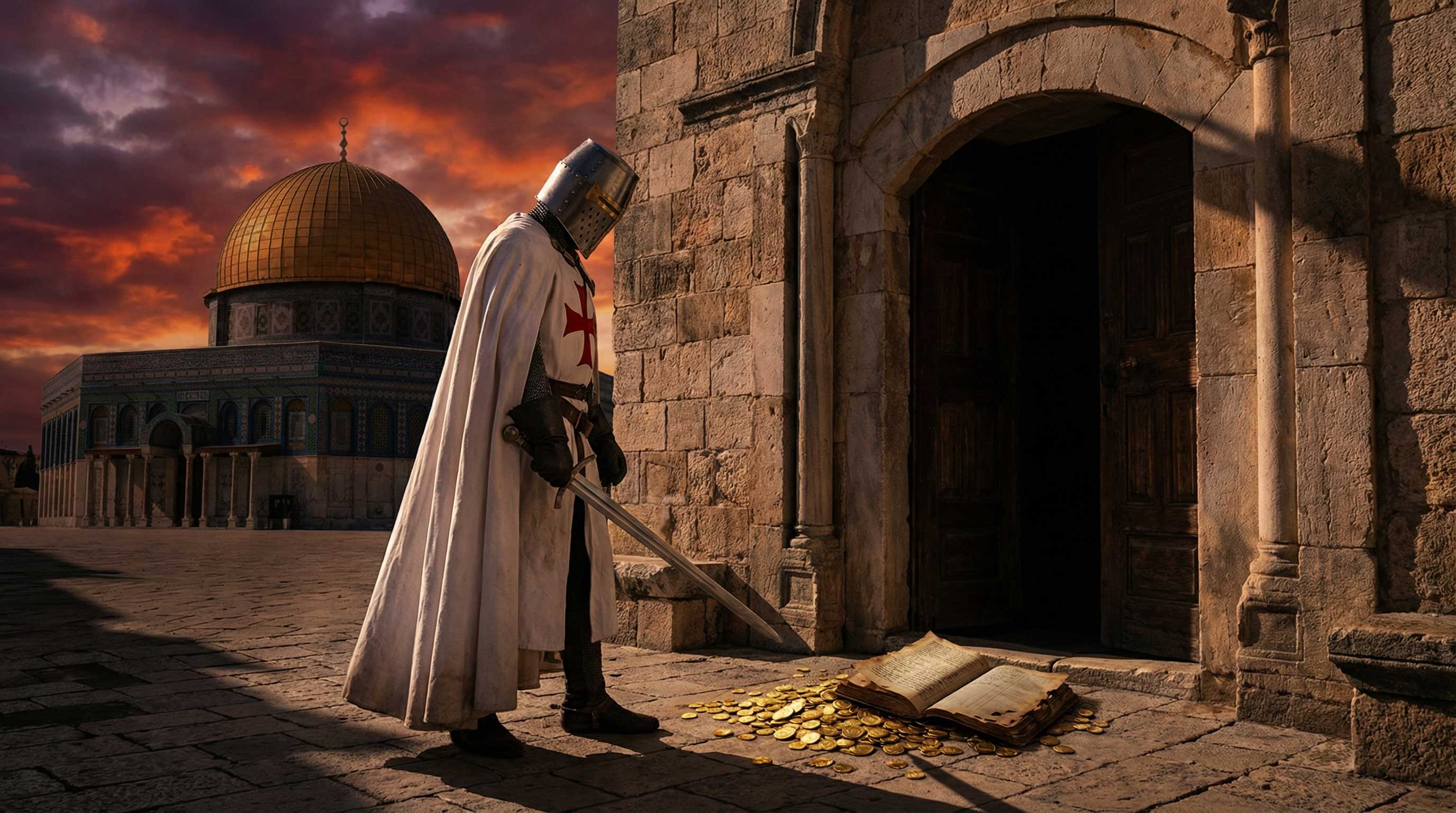
On a tiny island in the Seine River, Jacques de Molay, the last Grand Master of the Knights Templar, was surrounded by flames when he made his last, terrifying curse. Both Pope Clement V and King Philip IV, the man who sentenced him to death, would both face God's judgment with him within a year of his death. Within a month of Jacques' cursing, Pope Clement V died; within a year of Jacques' cursing, King Philip IV died. 

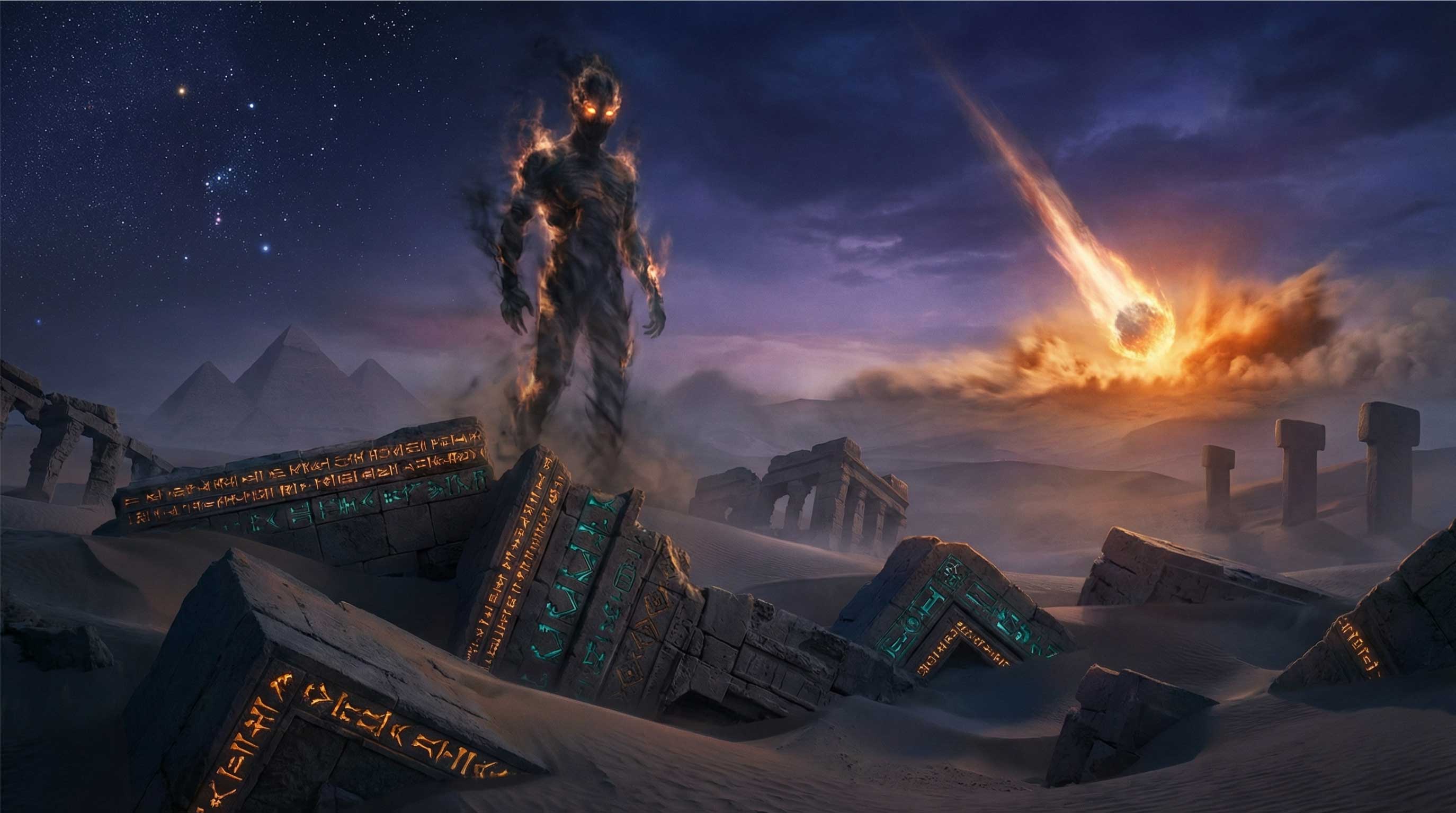
In 1872, British Museum curator George Smith made a discovery that would shake Victorian England's understanding of biblical history. Working late into the London evening, surrounded by fragments of cuneiform tablets recovered from the ruins of Nineveh, Smith deciphered an ancient Mesopotamian account of a great flood—complete with an ark, animals saved in pairs, and a righteous man chosen to preserve life. But this wasn't the biblical narrative he'd learned as a child.

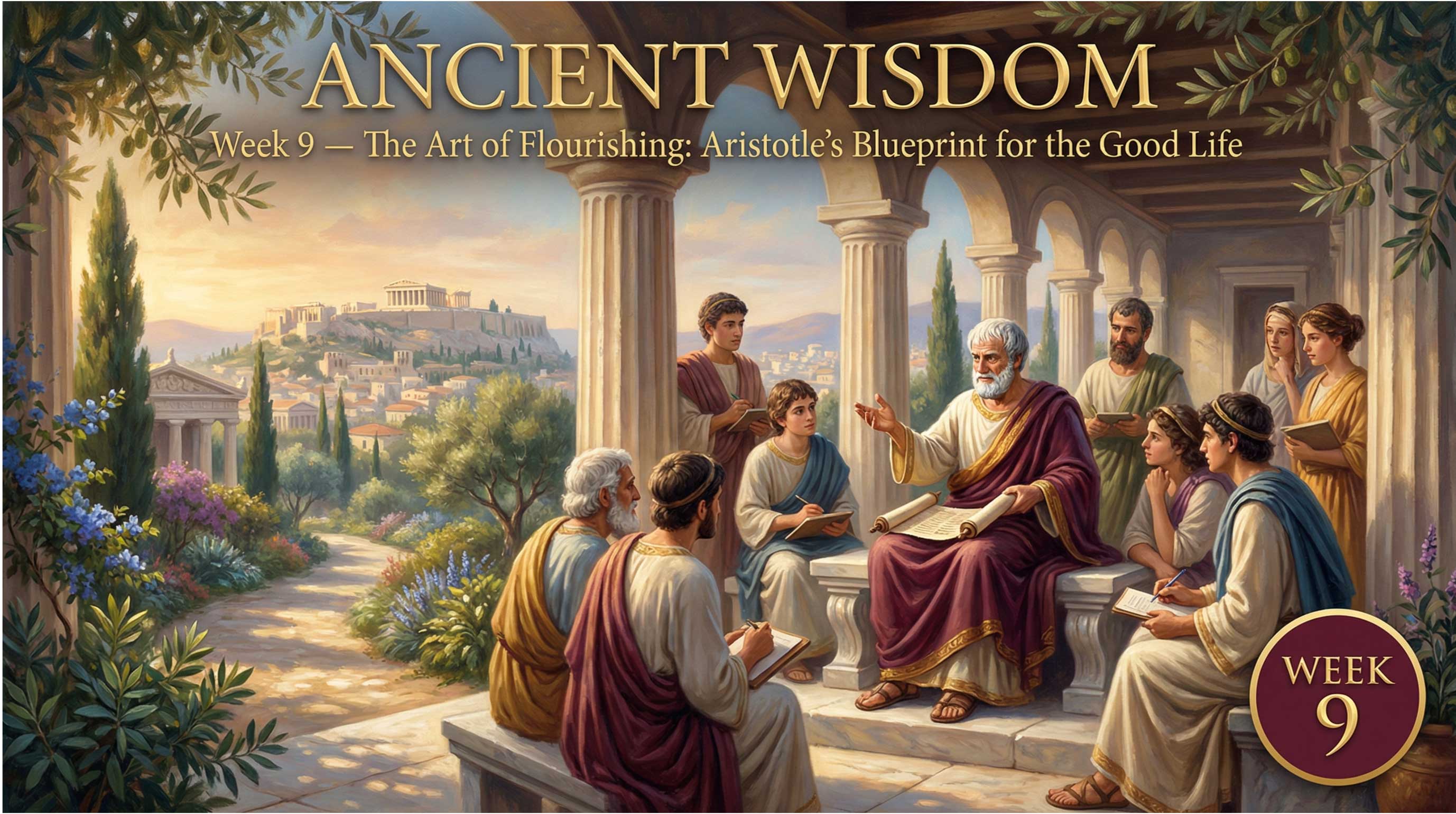
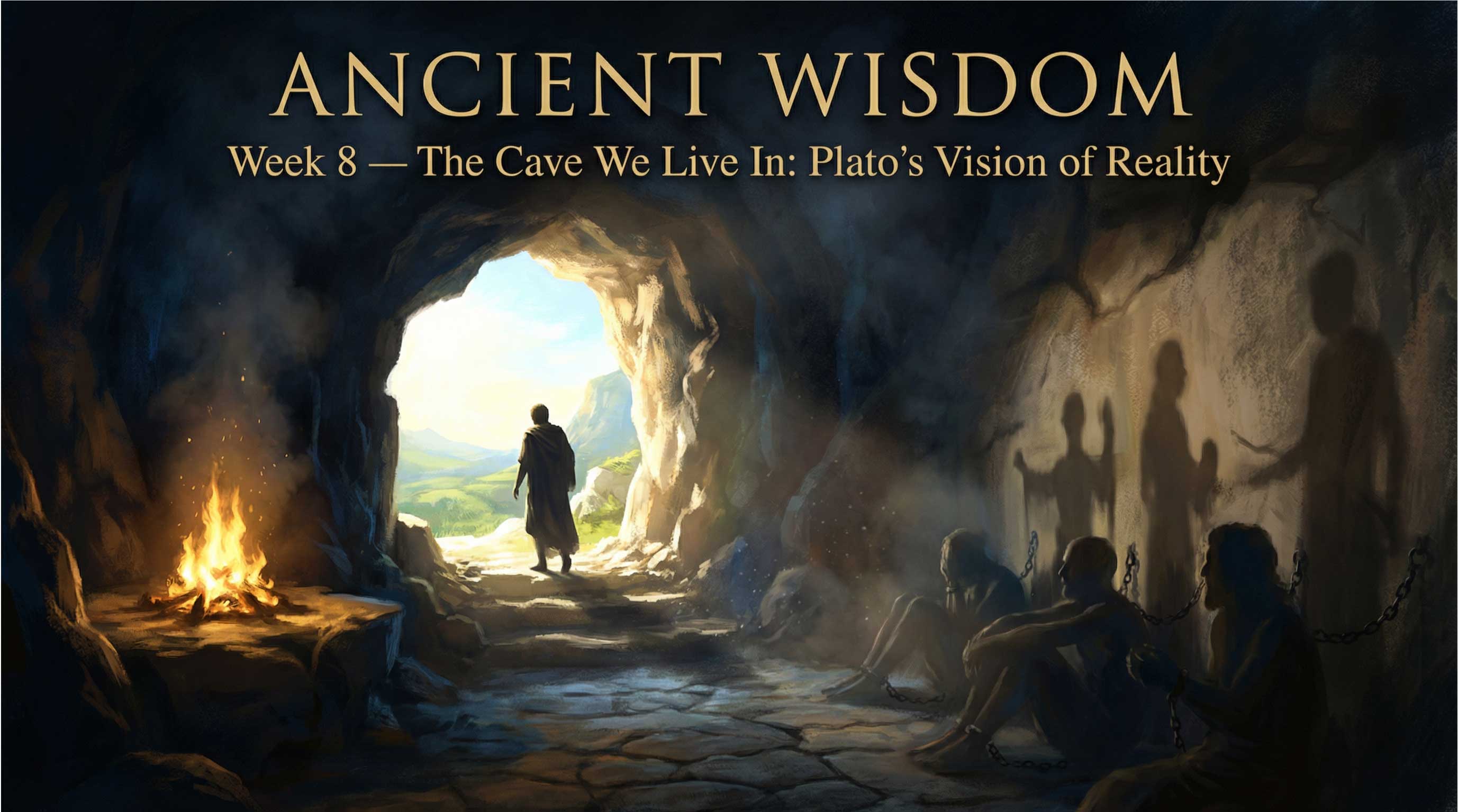
Plato's Allegory of the Cave examined the radical possibility that our understanding of reality may be based on only a limited number of shadows. The philosopher Plato, who was an idealist of sorts, asked the question What is real? His student Aristotle was concerned with the practical question of how one should live; his question was more immediate than Plato's. While Plato pointed toward the transcendent world of Forms, Aristotle focused on how we can live "well" or flourish as a human being in the physical world.

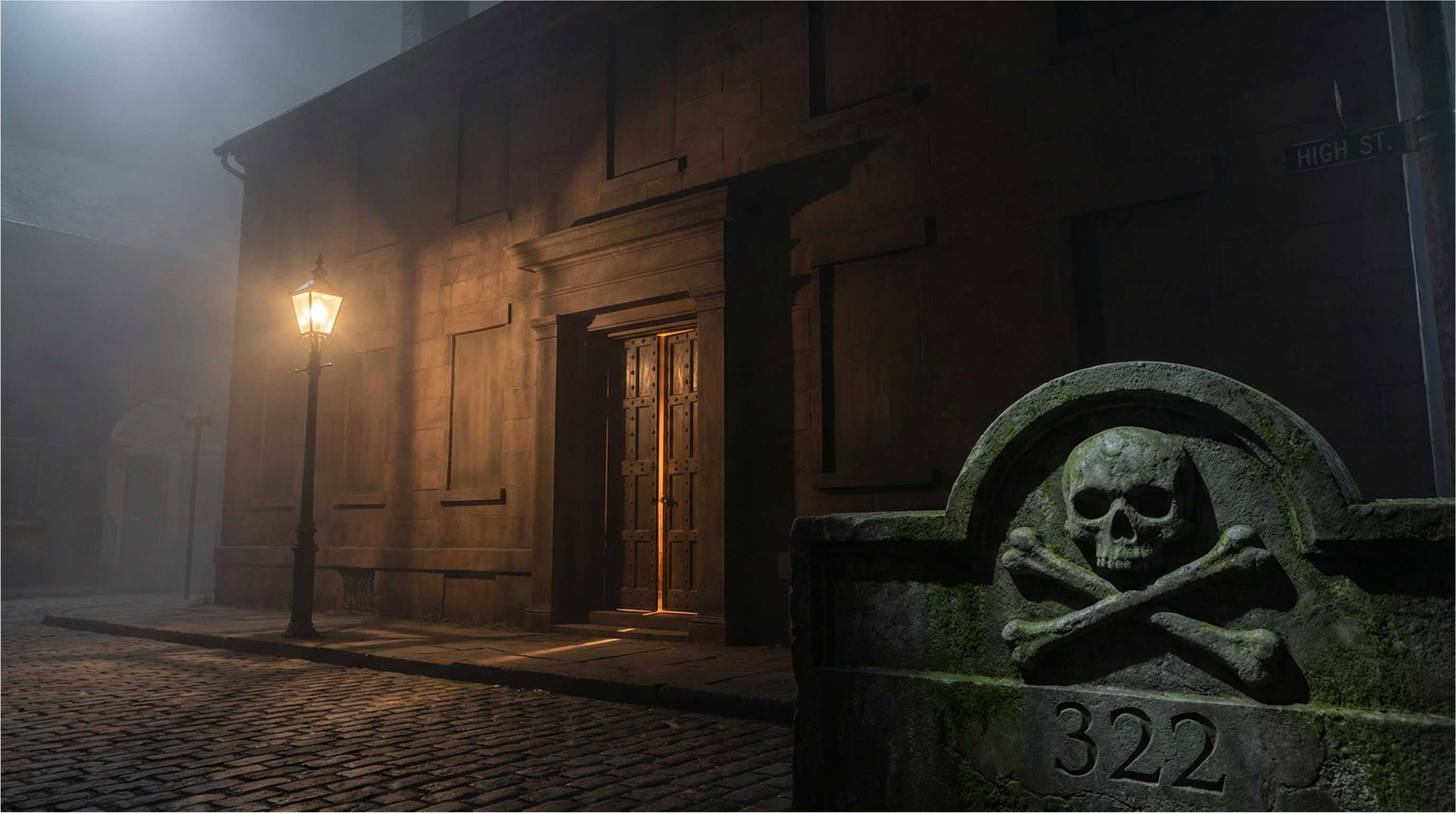
The Tomb, a windowless brownstone building at Yale University's "academic tomb", is a building where America's future leaders are shaped. For nearly 200 years, Skull and Bones has inducted an elite group of 15; its members include three U.S. presidents, three SUPREME COURT JUSTICES, CIA DIRECTORS, MEDIA MOGULS, and the FOUNDERS OF MODERN FINANCE and WARFARE. The chain of these powerful individuals began with their whispering secrets to a coffin inside this tomb.

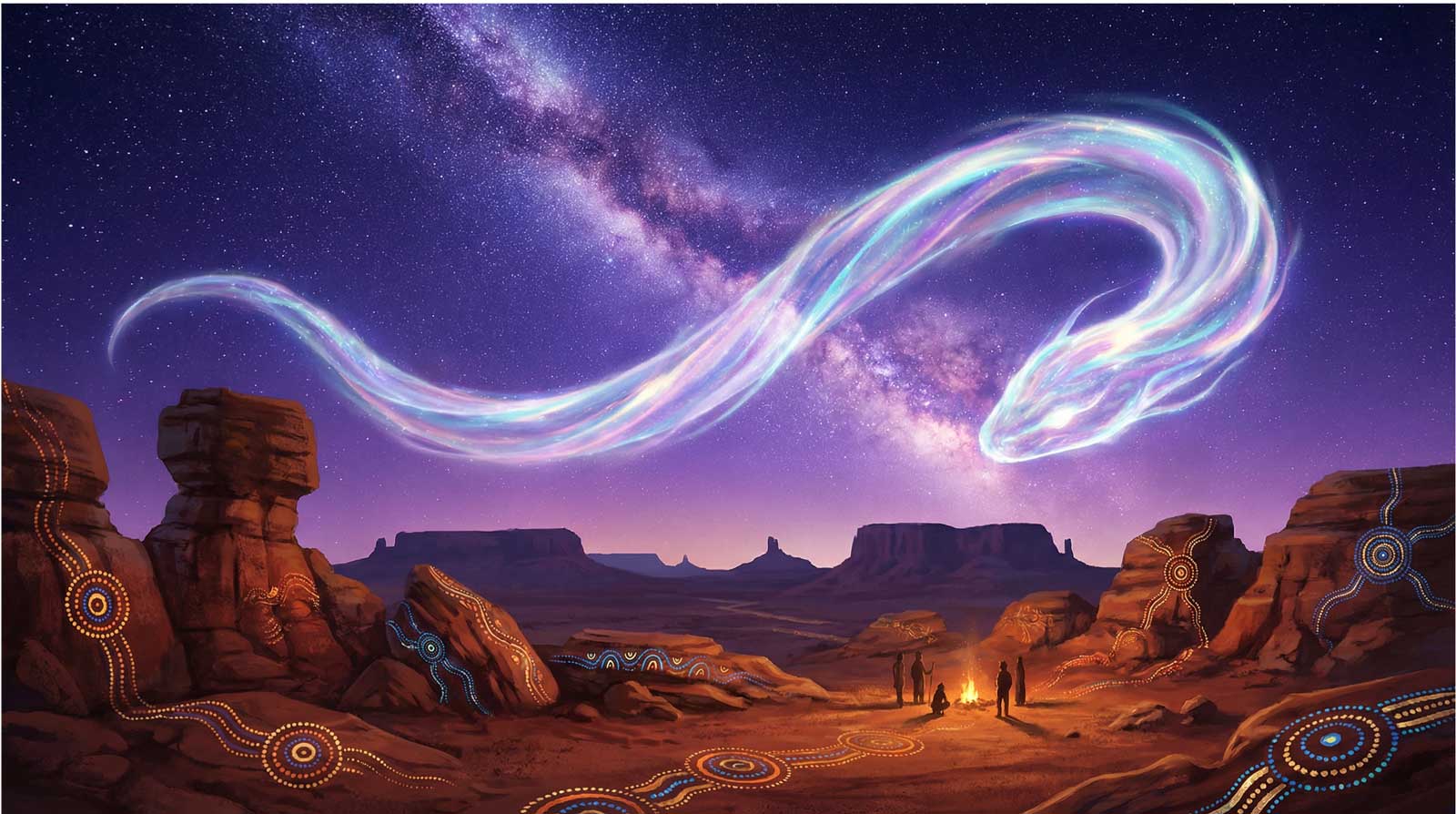
Before time had a name, the world was a dark, silent, and formless void. Then came the Dreamtime, a period not of linear history, but an eternal, ever-present state of being from which all life emerged. In this mystical era, ancestral spirits walked the earth, shaping the landscapes, creating life, and leaving behind a complex tapestry of stories that have been passed down for tens of thousands of years. These are not just myths; they are the living, breathing soul of a continent, a worldview where the past, present, and future are one.

Western Civilization has wrestled with the haunting story of the Allegory of the Cave for over 2,000 years. This story depicts people chained inside of a cave, who believe that what they see (the shadows on the wall) is reality. Today, social media, virtual reality, and an algorithm-driven news feed are creating a new set of challenges for us. The ancient message of the Allegory of the Cave is one of the most relevant messages today.

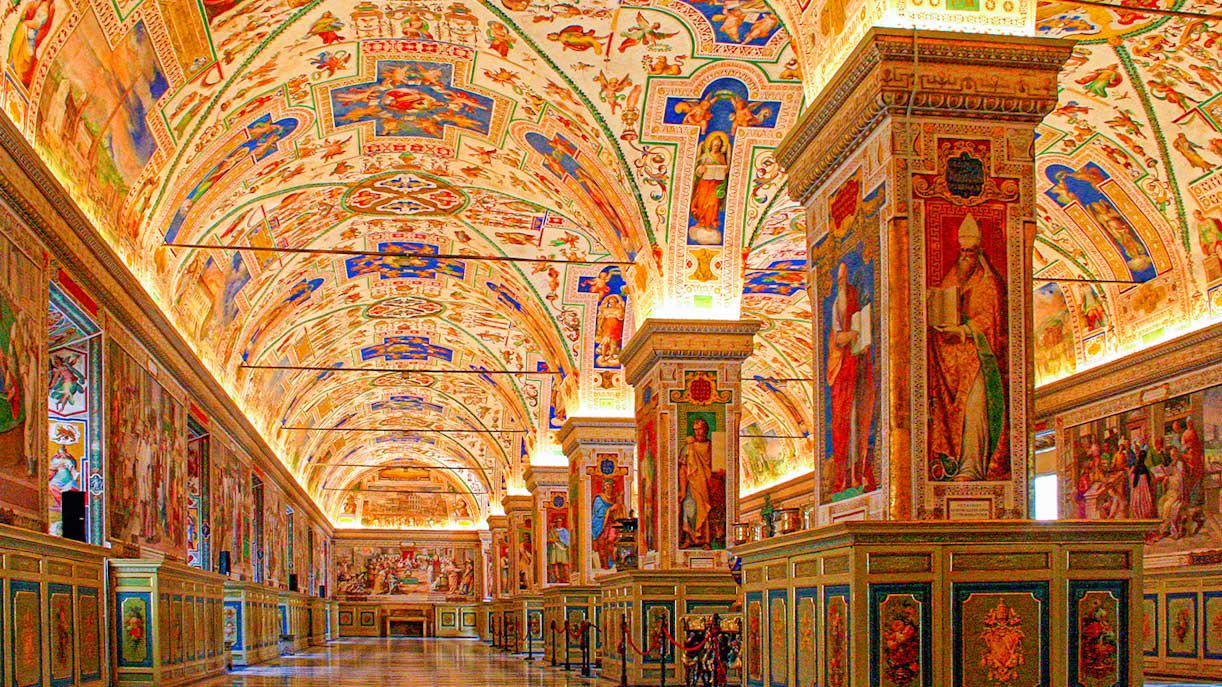
Deep within the walls of Vatican City lies a repository of secrets, a library of power, and a documented history of the world seen through the eyes of one of its oldest and most influential institutions. It holds 53 miles of shelving, contains documents stretching back over twelve centuries, and until 2019 was known to the world as the Vatican Secret Archives.