
Premium Articles

Ancient Origins Premium bring you the latest discoveries, theories, and insights from the world of history, archaeology, mythology, and ancient mysteries. Written by leading experts and researchers, these articles go beyond the surface to explore humanity’s past in depth, connecting ancient wisdom with modern understanding. Dive into a constantly growing collection of well-researched, thought-provoking content available exclusively to our members.

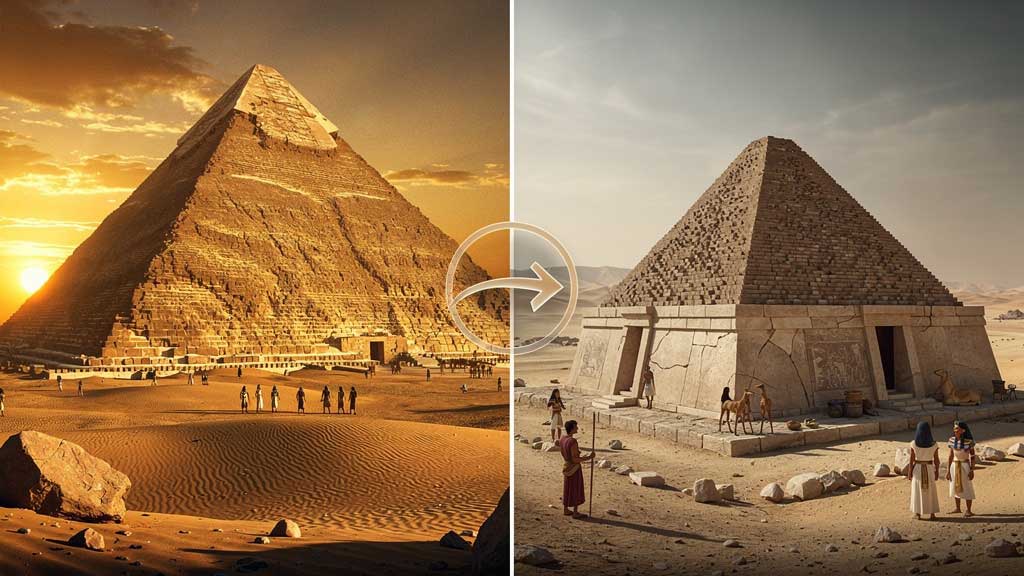
It is one of the greatest enigmas of the Old Kingdom. Following the stunning engineering and organizational feat of the Great Pyramid of Giza, something unexpected happened. Instead of continuing and perfecting this formula, subsequent pyramids became... smaller and smaller. Why, after reaching the zenith, did Khufu’s successors, his son and grandson, and later the pharaohs of the 5th and 6th Dynasties, begin to drastically and systematically reduce the scale of their monuments?

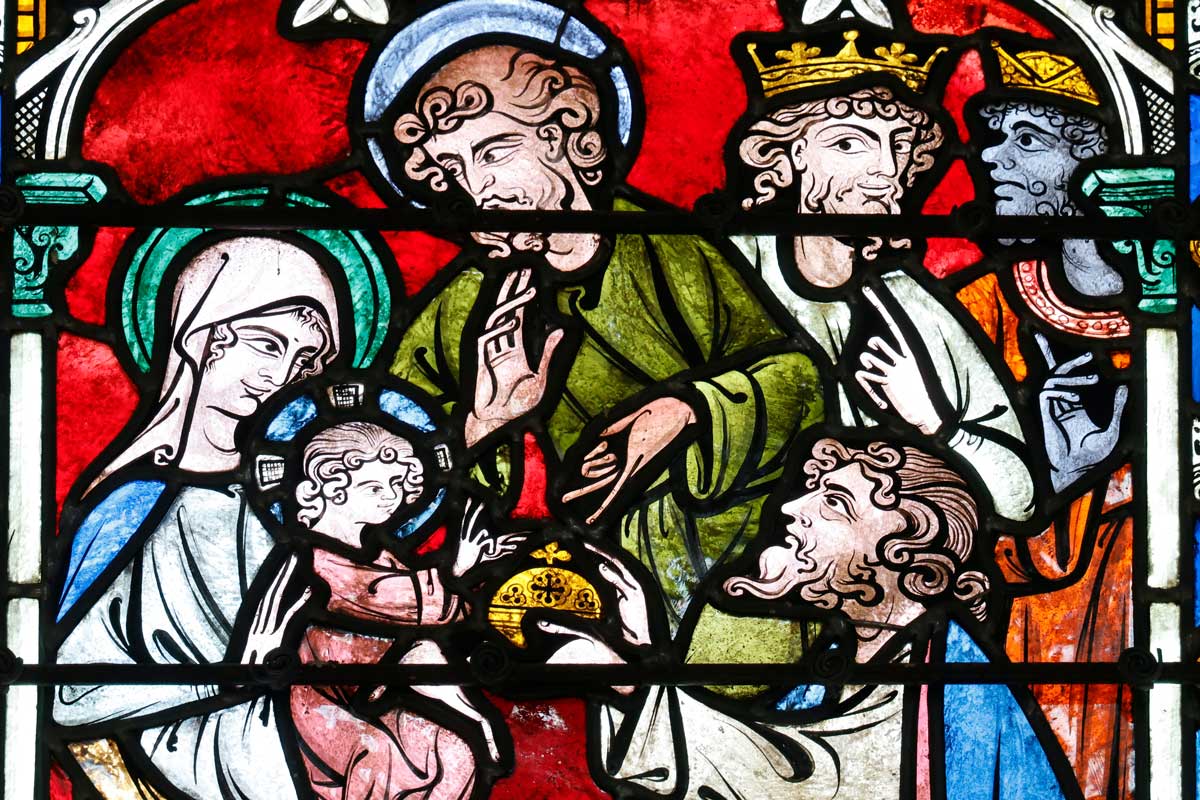
When the Nag Hammadi codices were discovered in Egypt in 1945, the world gained access to a body of writings that challenged some of the most deeply rooted assumptions in Western religion. Among these texts were narratives that recast the creator of the physical universe not as the ultimate divine intelligence, but as a secondary being, imperfect in both knowledge and intention.

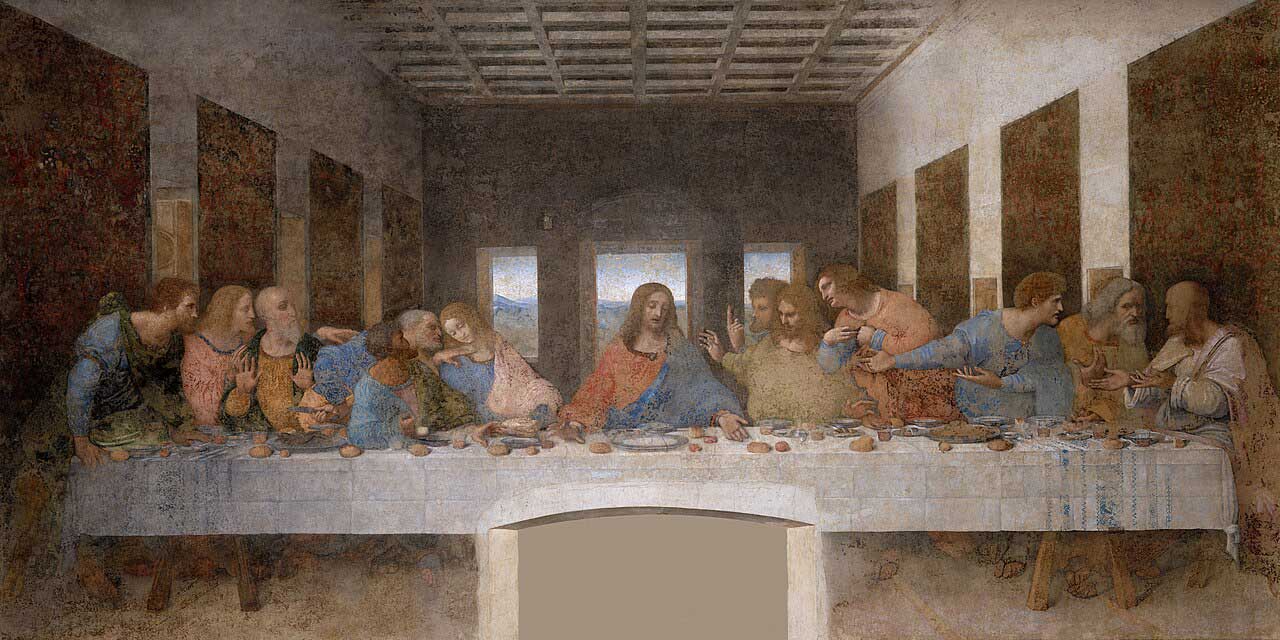
For over five centuries, Leonardo da Vinci's The Last Supper has been interpreted as a dramatic moment frozen in time. The instant when Jesus announces that one of his disciples will betray him. Judas Iscariot, traditionally identified as the villain of Christian history, has been cast as the central antagonist in this sacred drama. 

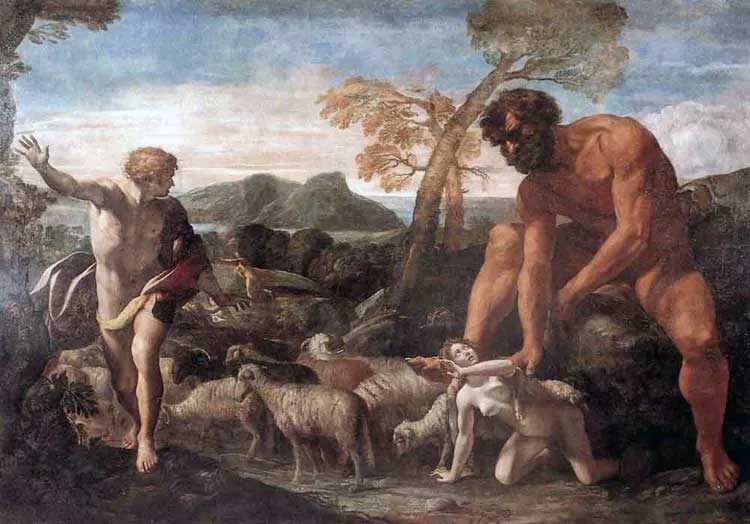
Long before the first pyramids pierced the Egyptian sky, before the great ziggurats of Mesopotamia touched the heavens, there existed a world shrouded in mystery. A world where gods walked among mortals, where celestial beings descended to Earth, and where Giants roamed the land. This is the world of the Antediluvian Age, a primordial epoch lost to the mists of time, yet preserved in the most ancient traditions of humanity. At the heart of this forgotten age lies one of history's most enigmatic mysteries: the Nephilim.

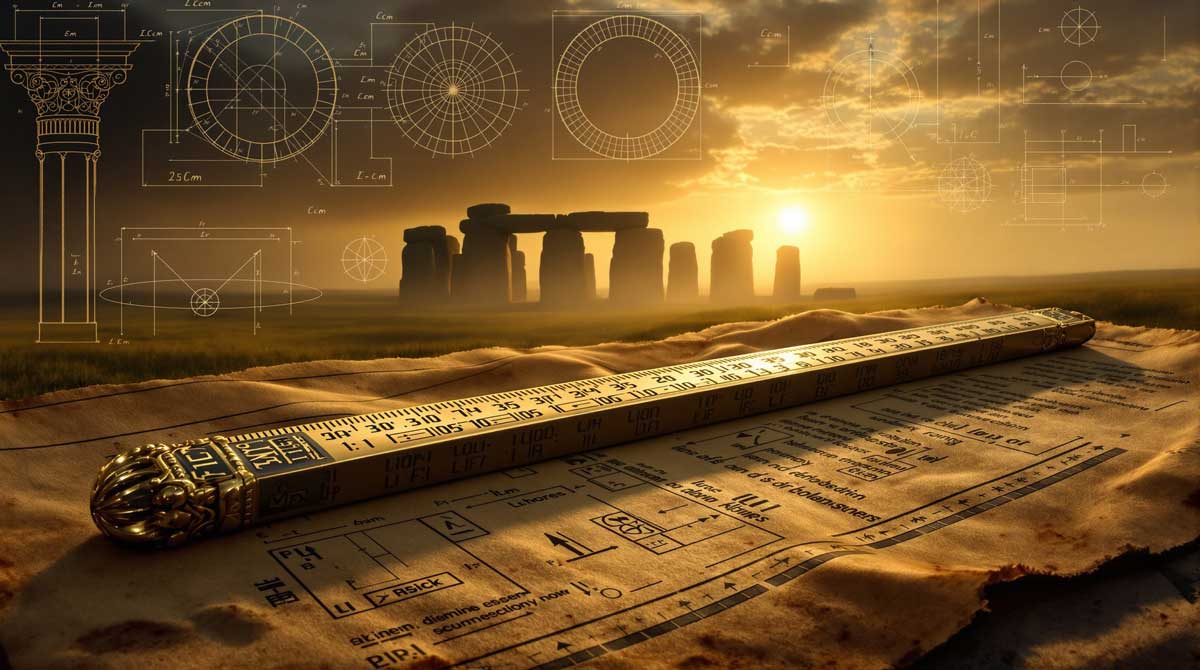
How did a unit of measurement survive from the builders of Stonehenge, over four thousand years ago, through the Roman Empire, and persist in France until the French Revolution? More remarkably, how could prehistoric Britons have possessed the mathematical sophistication to create measurement systems linked to the size of the Earth itself? These questions challenge our assumptions about ancient knowledge and demand answers rooted not in modern theories, but in empirical evidence carved in stone.

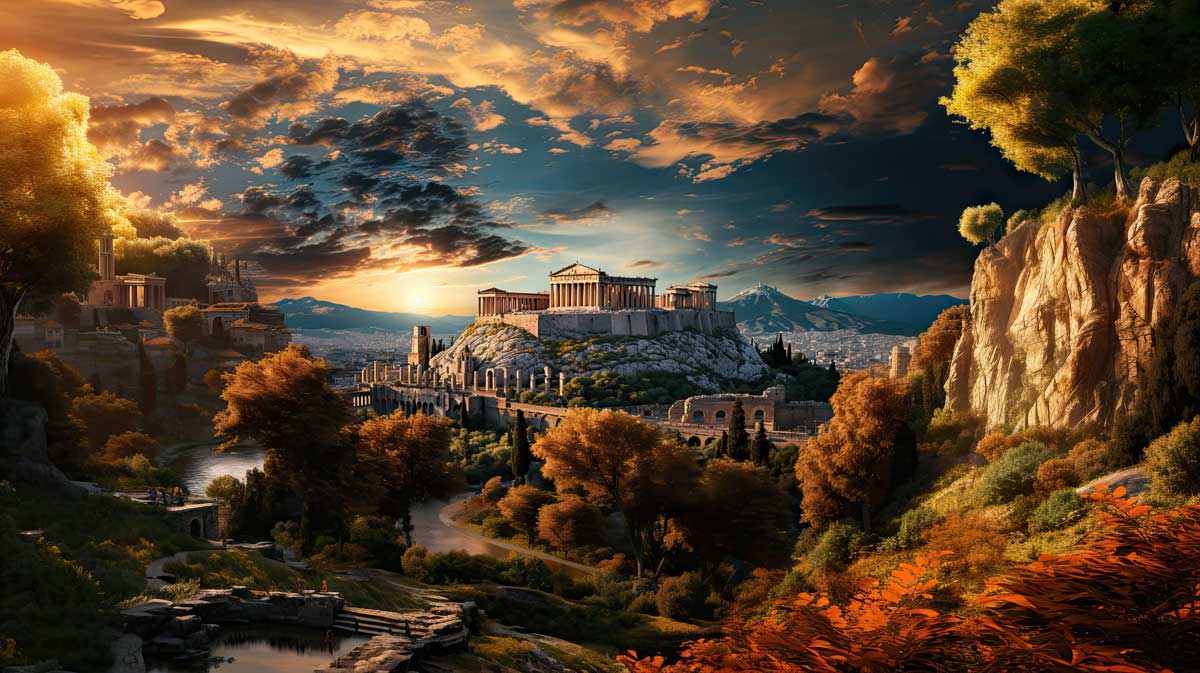
Many things that might seem unusual to people today occurred in Ancient Greece. While some aspects are or would be viewed as interesting, some may really just seem odd or shocking. In addition to that, ancient Greece has proven to be an incredible civilization that continues to inspire people today - from their philosophical ideas and forms of democratic experimentations to their myths and architectural developments that still stand as finished products of human creativity. And I am not just saying this because I am of Greek descent!

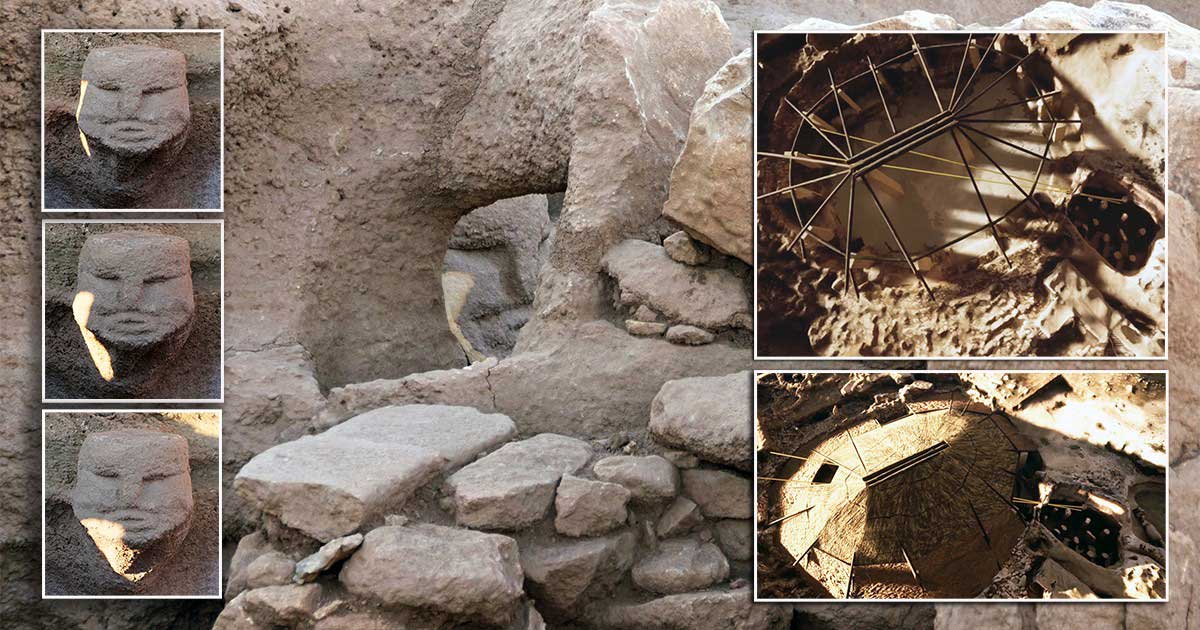
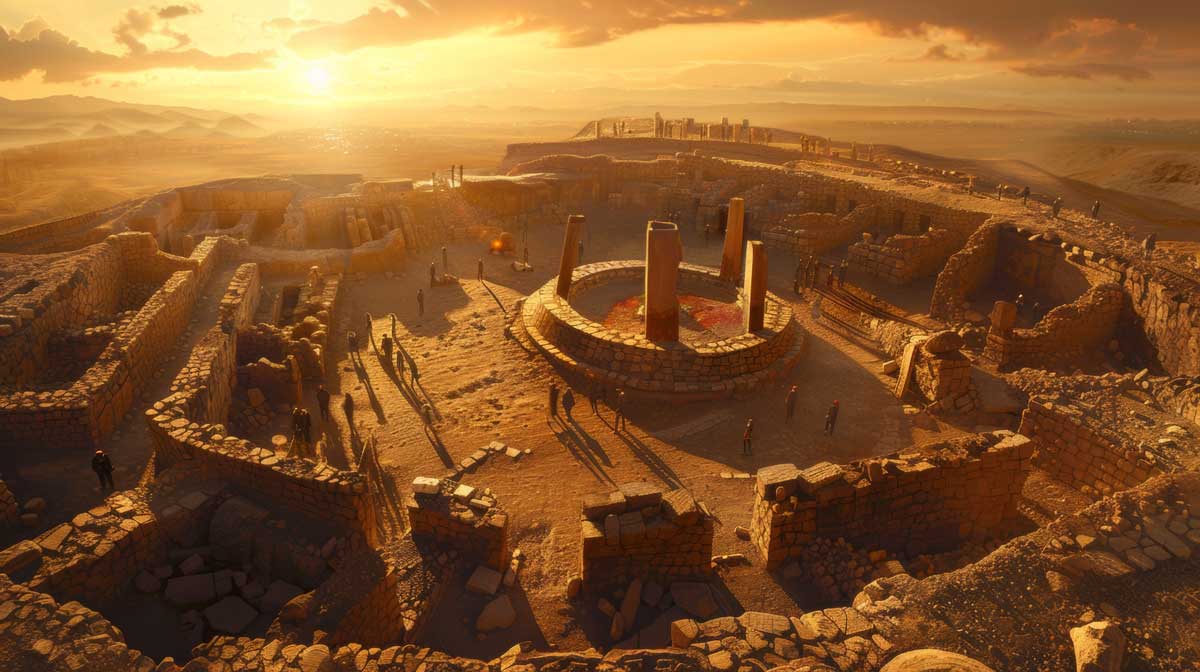
Deep within a 12,000-year-old wall at Göbekli Tepe, archaeologists have unearthed something extraordinary: a perfectly preserved human statue, entombed as if waiting for the gods themselves to notice. The figure was deliberately placed within a sacred chamber, its stone eyes gazing upward toward the heavens, frozen in an eternal act of reverence or perhaps desperation.