

Premium Articles

Ancient Origins Premium bring you the latest discoveries, theories, and insights from the world of history, archaeology, mythology, and ancient mysteries. Written by leading experts and researchers, these articles go beyond the surface to explore humanity’s past in depth, connecting ancient wisdom with modern understanding. Dive into a constantly growing collection of well-researched, thought-provoking content available exclusively to our members.

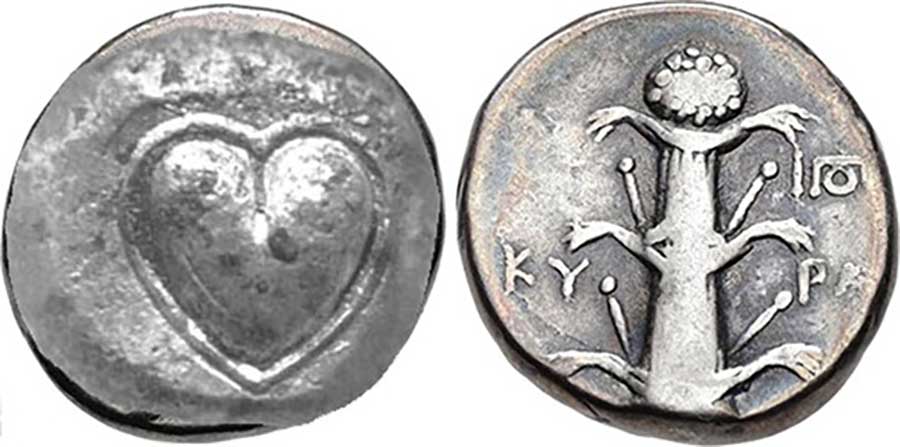
When the classic red heart emoji was crowned the most popular symbol on World Emoji Day 2025, billions of users worldwide continued a tradition far more ancient and profound than they might imagine. While we've come to associate this ubiquitous shape with love and romance—particularly since the Middle Ages—the heart symbol's true origins reach back millennia, weaving through diverse cultures and spiritual traditions across the globe.

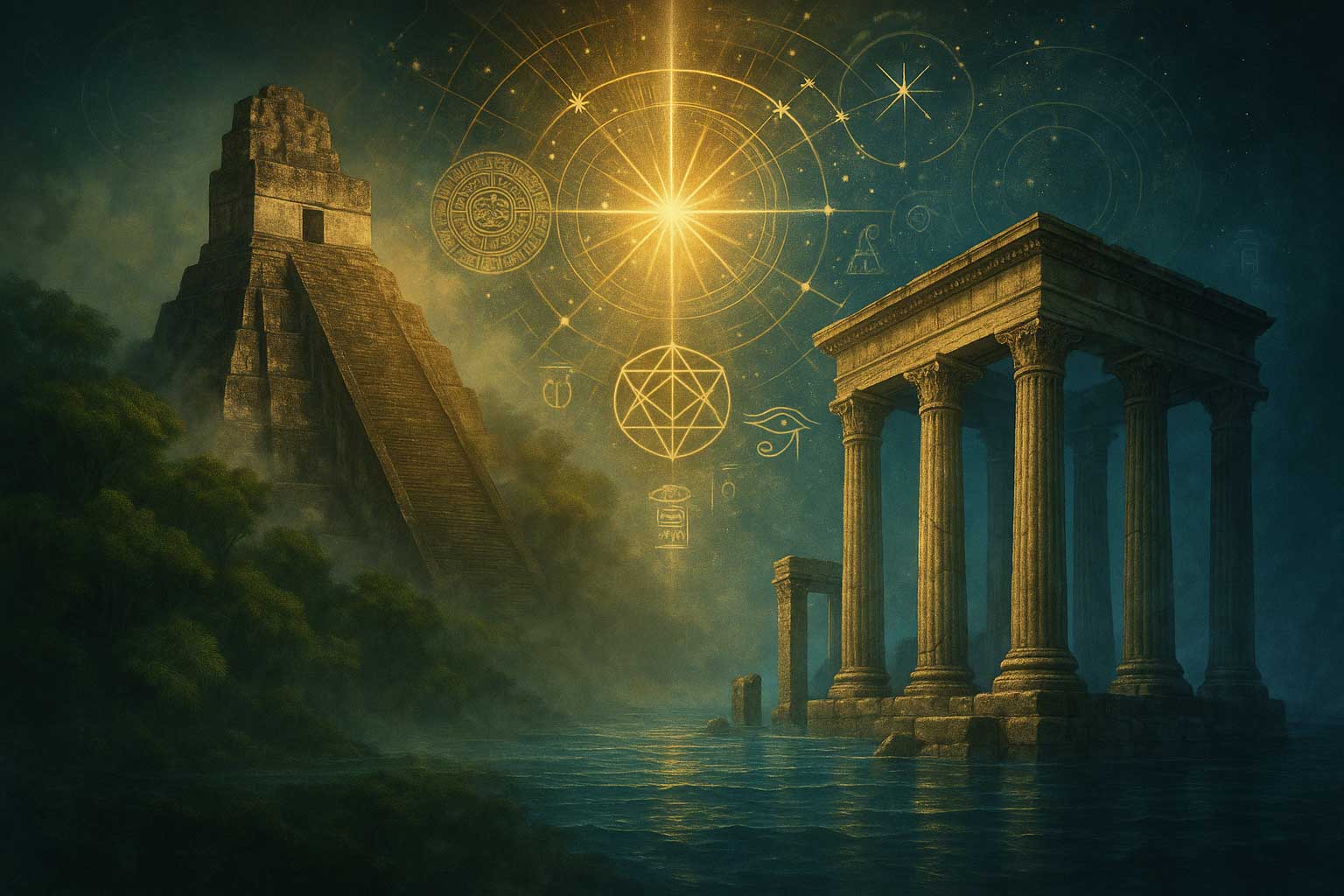
We often speak of “lost civilizations.” The phrase conjures Indiana Jones-esque images of vine-choked ruins, vanished peoples, and mysteries swallowed by time. The Maya, the Indus Valley, Sumer, the builders of Göbekli Tepe - the language of loss suggests they simply disappeared, their cultures erased as if they had never been.  Eaten by time and digested by landscape.

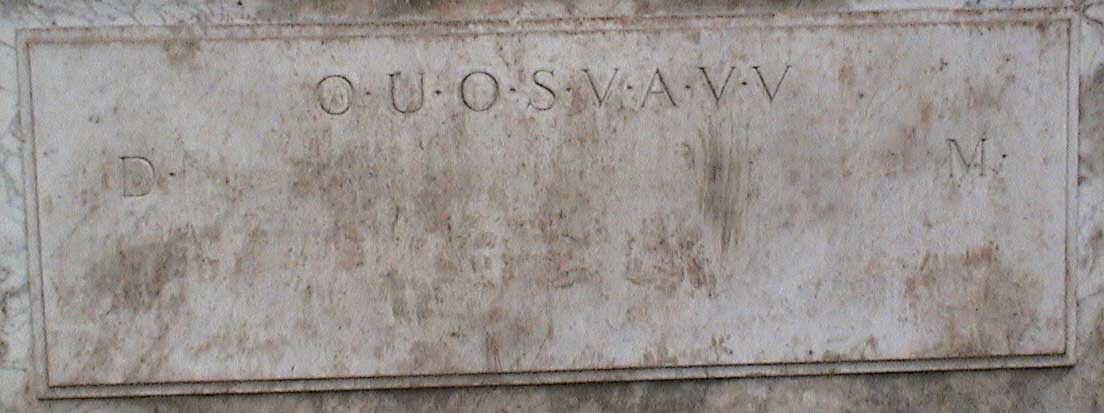
Living under the long arm of the Lex Iulia de Adulteriis laws, which prohibited all forms of adultery, the twenty-seven-year-old Julia—a widow for over a year—found herself in the unenviable position of being pregnant. She might have known her options were limited, but as Augustus's granddaughter and thus an exemplar of the Julio-Claudian dynasty, her fate was sealed.

For centuries, one book has captured the imagination of scholars and curious readers alike while refusing to yield its meaning. Its pages contain delicate drawings of plants that seem both familiar and impossible to identify, scenes of women immersed in pools of green water, and long passages of text written in a flowing script that no one has ever been able to read.

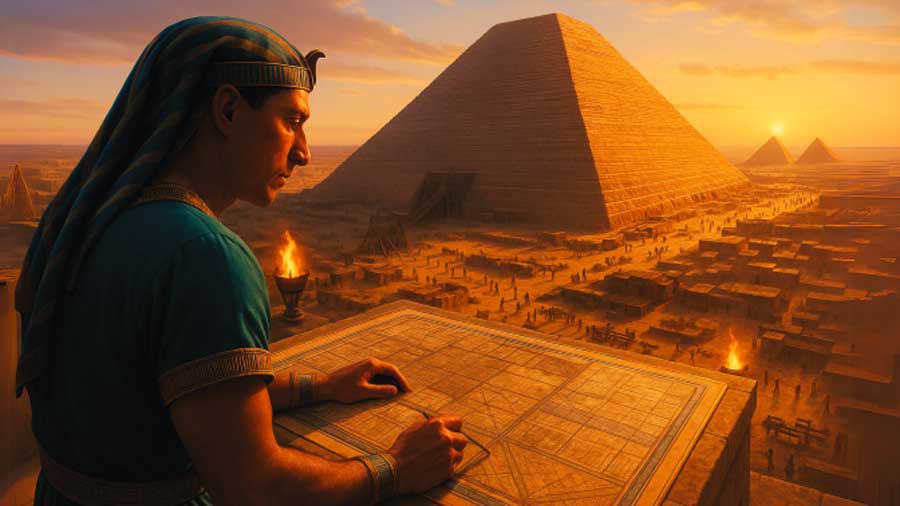
Were the Egyptian pyramids truly just tombs built with eternity in mind? Or did they hold a far more practical meaning?

For centuries, we have been told that the monumental structures of the pharaohs served primarily as their eternal resting places. All other outcomes of their construction—such as the growth of the economy, infrastructure, or social cohesion—were treated as mere side effects of a grand endeavor.

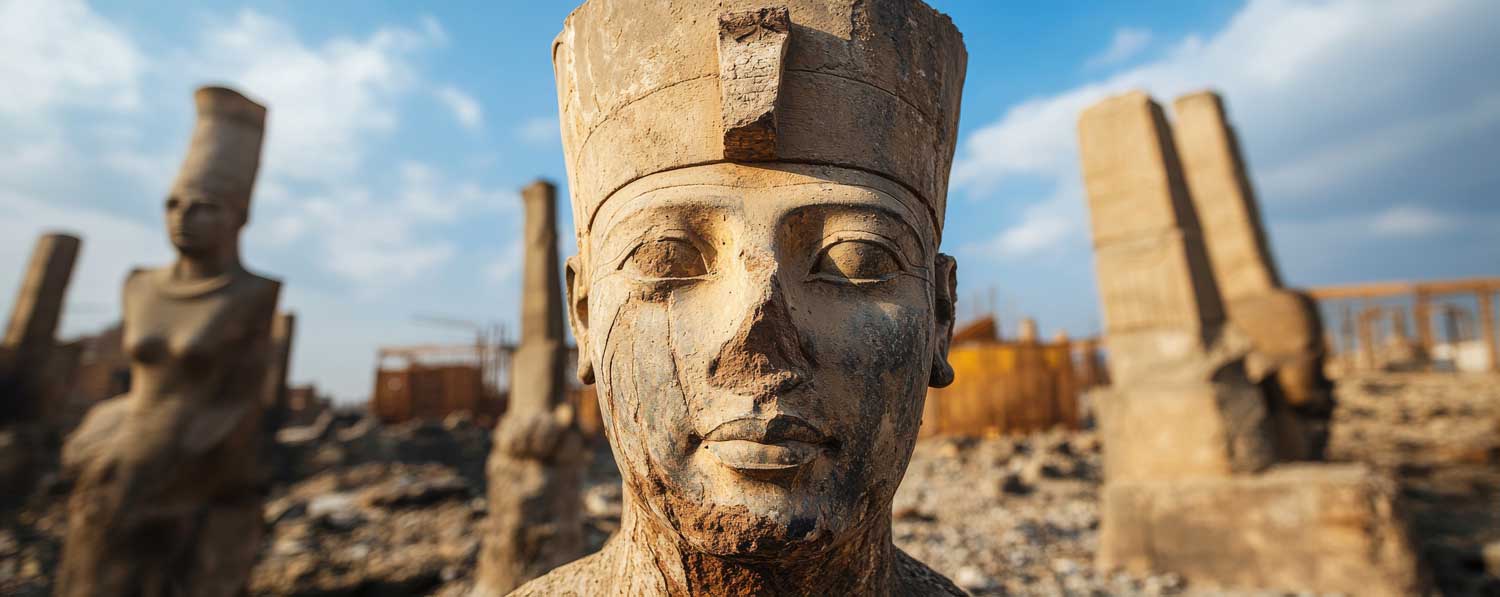
Akhenaten was known as Egypt’s Rebel Pharaoh. He lived during the 14th century BCE in a huge desert city he built from scratch named “Horizon of the Aten sun god” (today called Amarna). His mummy has never been found, and he disappeared from history at age 37. During his reign, he was obsessed with sunrises and worshipping the sun. He shut down the temples of all other gods, and destroyed their idols. He was called the “rebel” and the “heretic” in later Egyptian texts, and his reign was referred to as the “rebellion”.

Stone as the First Hard Drive

Across the world, ancient civilizations raised monuments of bewildering scale and precision. Pyramids, ziggurats, megaliths, earthen mounds and vast stone circles — these structures required staggering effort to build, yet endured long after the societies that built them faded. Archaeologists have long labeled them tombs, temples, or ritual centers, and they may be those.

But what if they were something more?