
Premium Articles

Ancient Origins Premium bring you the latest discoveries, theories, and insights from the world of history, archaeology, mythology, and ancient mysteries. Written by leading experts and researchers, these articles go beyond the surface to explore humanity’s past in depth, connecting ancient wisdom with modern understanding. Dive into a constantly growing collection of well-researched, thought-provoking content available exclusively to our members.

Konya, known in antiquity as Iconium, is considered to be one of the most religiously conservative metropolitan centers in Turkey. It is best known as the final home of Rumi (1207-1273 AD). Mevlana Celaddiin-i Rumi was a 13th century Muslim saint and Anatolian Mystic who is renown for his exquisite poetry and wise sayings, which have been translated into many languages. His turquoise-domed tomb in the city is its primary tourist attraction.

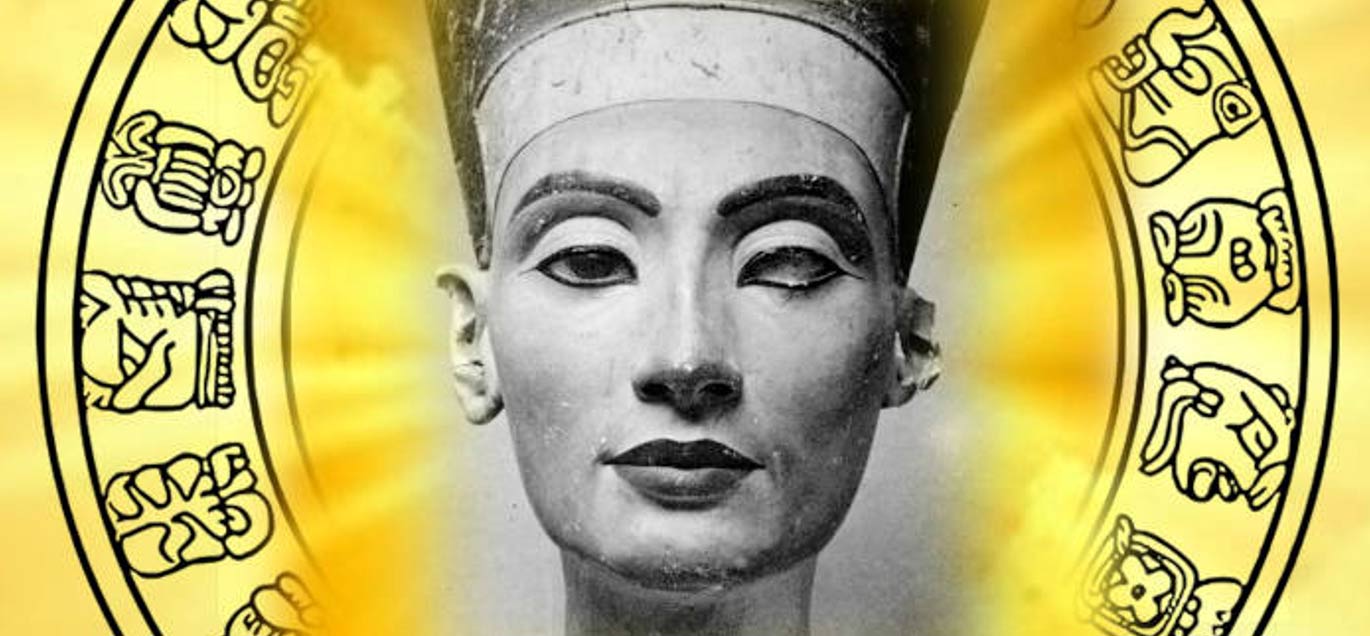
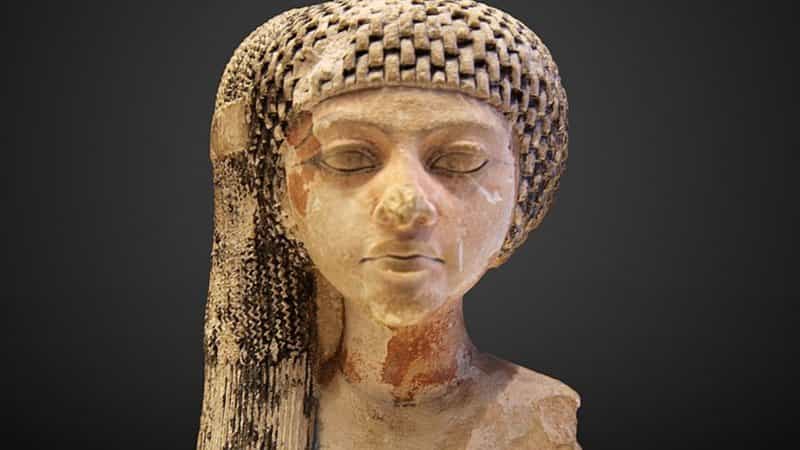
The Maya Calendar is perhaps the world’s most mysterious. Meanwhile, Nefertiti was Egypt’s most famous and mysterious queen. Married to the rebel Pharaoh Akhenaten and living in the 14th century BCE, her mummy has never been found, and she disappeared from history with no further mention in any records, royal or otherwise. How could there possibly exist any connection between Egypt’s most beautiful queen and a mysterious ancient calendar developed an ocean away?

What if the individuals we study from ancient cultures are not distant strangers separated by millennia, but rather ourselves in previous incarnations? Could it be that when we feel drawn to certain historical periods or civilizations, we are actually remembering fragments of our own past experiences? This intriguing possibility raises profound questions about the nature of human existence and consciousness itself.

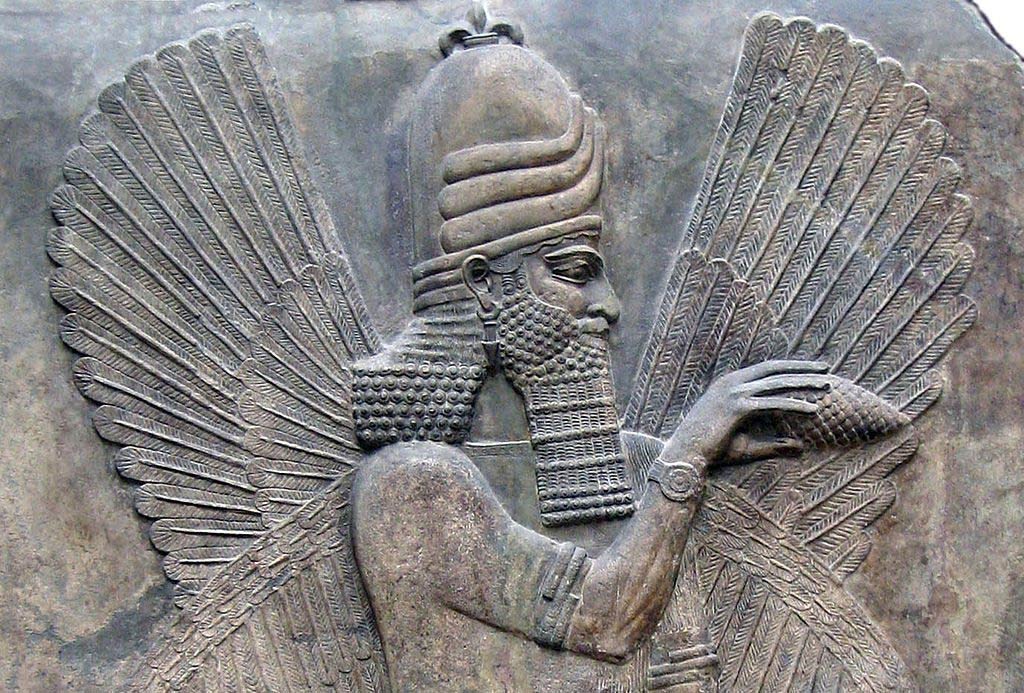
The greatness of the world’s first empire, the Akkadian Empire (c. 2370-2190 BC), had a major impact on later Mesopotamian tradition. Once the stories about those kings and the gods who gave them those victories took hold in the popular imagination, they became the stuff that great legends and myths are made of.

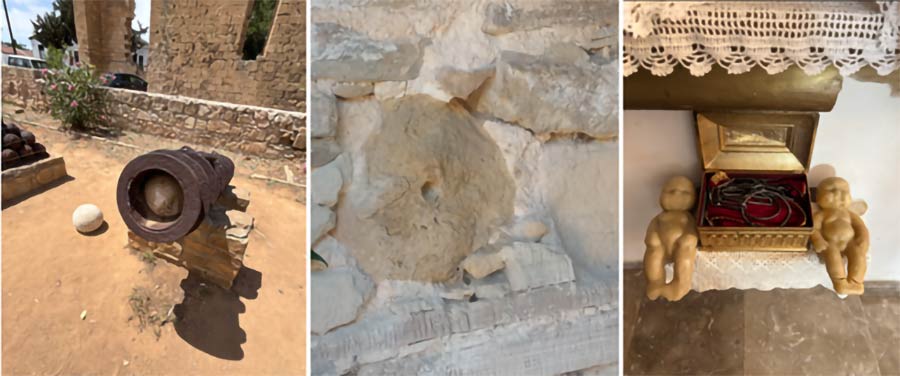
Buried in the wall of an inconsequential stone building, unnoticed and unremarked for generations, is a large, roughly hewn, spherical stone. It looks out of place from all the rectangular stones surrounding it. The fabric of the building is old, though it has evidently been rebuilt at some indeterminate point in the past.

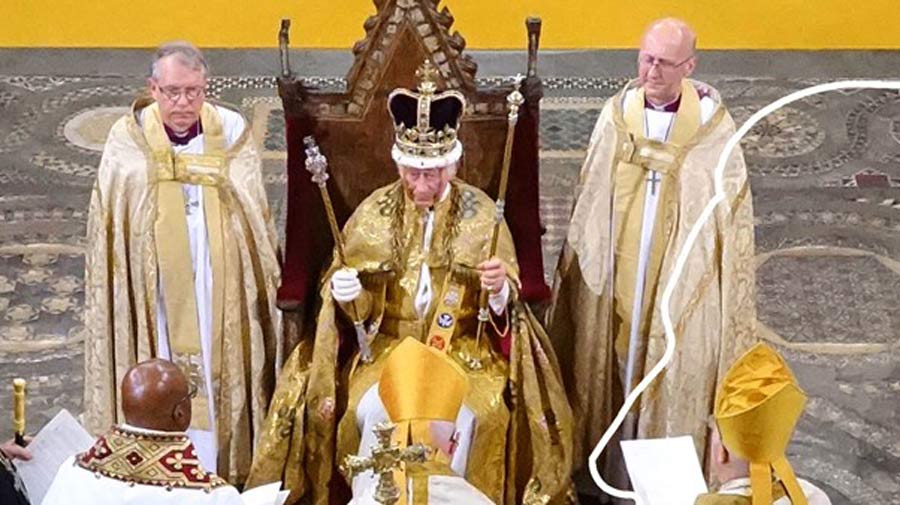
On 11 July 1613, a sixteen-year-old youth was crowned Grand Prince, Tsar and Sovereign Autocrat of All Russia in the Dormition Cathedral of the Moscow Kremlin. Four hundred and ten years later, on 6 May 2023, the Archbishop of Canterbury placed the historic St Edward’s Crown on the head of a seventy-four-year-old British man in Westminster Abbey. Eleven generations in a direct line separate these monarchs.

The character known to mythology as Queen Scotia, or in her own country, Queen Meritaten, is perhaps most famously linked to her half-brother Pharaoh Tutankhamun, who is probably the most famous ancient Egyptian, since the discovery of his tomb in 1922, by Howard Carter and his team. She is also linked to Moses and Ramses II by Manetho of the Ptolemaic kingdom of Egypt, writing around 1000 years after her death.

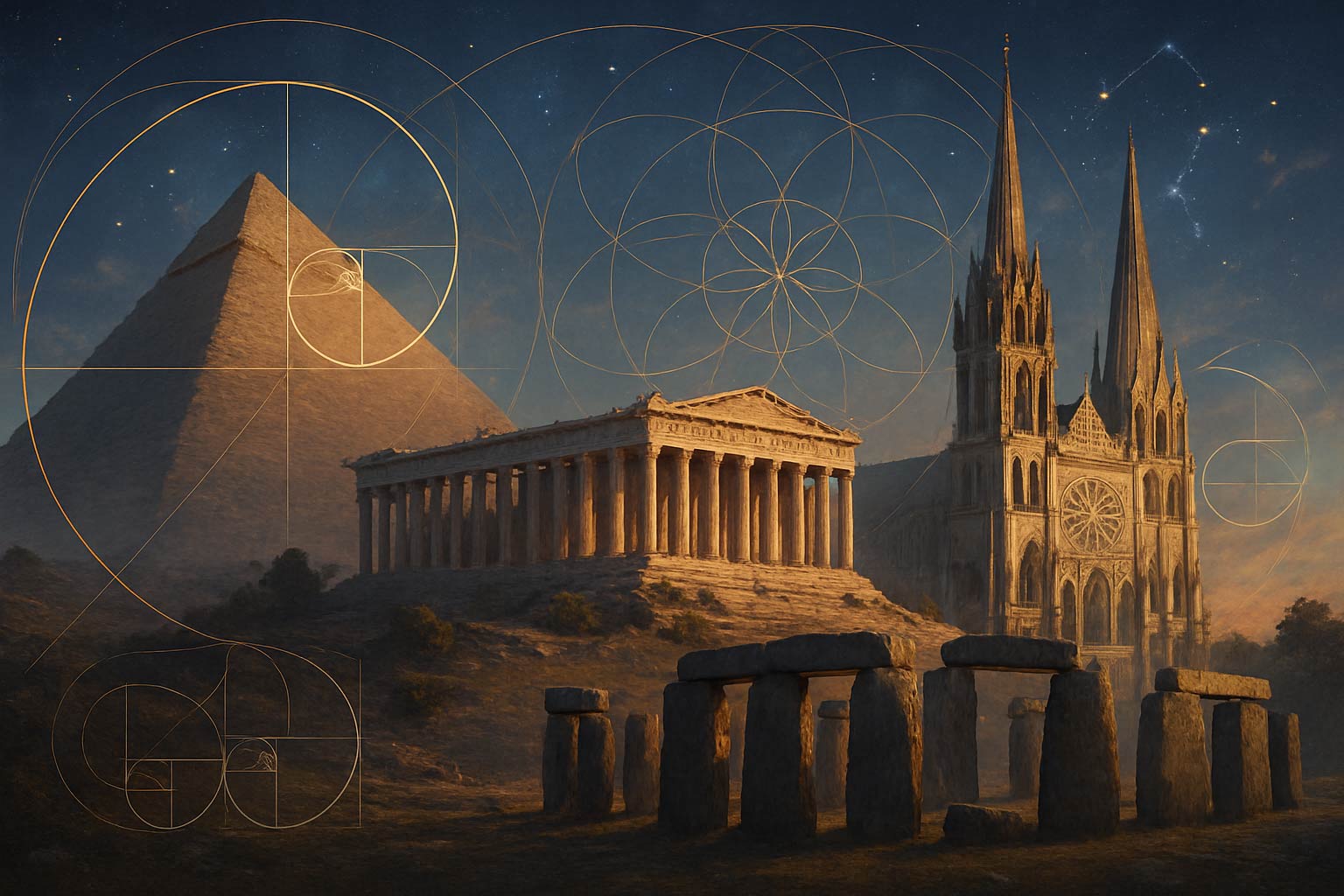
Have you stood in front of an ancient monument and experienced a sense of wonder, as though the building itself was whispering secrets of the cosmos? From Egypt's towering pyramids to Europe's beautiful cathedrals, these great buildings of architecture appear to be speaking a language beyond language. What if their architects used a code, a universal language of geometry that binds the terrestrial to the sacred? Sacred geometry, the science of shapes and proportions which is understood to be spiritually significant, could be used to unlock these secrets.