

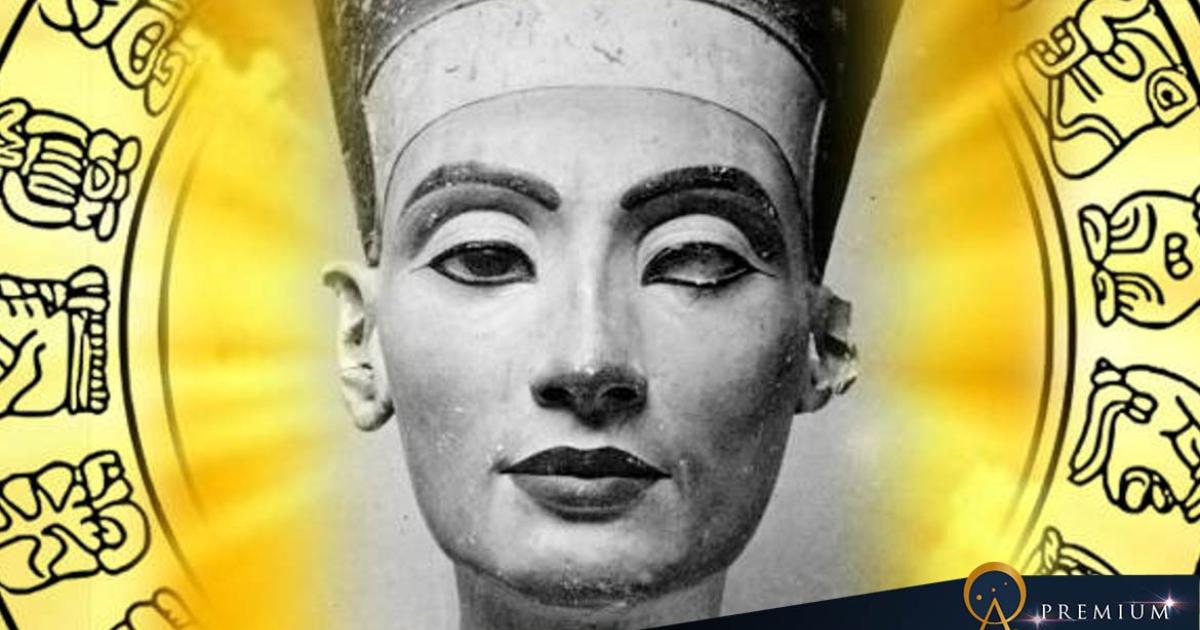

The Maya Calendar is perhaps the world’s most mysterious. Meanwhile, Nefertiti was Egypt’s most famous and mysterious queen. Married to the rebel Pharaoh Akhenaten and living in the 14th century BCE, her mummy has never been found, and she disappeared from history with no further mention in any records, royal or otherwise. How could there possibly exist any connection between Egypt’s most beautiful queen and a mysterious ancient calendar developed an ocean away? How could the glamour of Egypt’s richest and most opulent queen, married to history’s first religious revolutionary, have inspired a strange 260-day sacred calendar developed somewhere in the jungles of Mexico over three thousand years ago?
What is the Maya Calendar?
A man, his face lined with age, ponders the horizon. He begins to burn incense, just like Nefertiti did in ancient Egypt. He is a Maya “Daykeeper” living in the highlands of Guatemala. Day by day, he counts, millennia later, the names of the sacred 260-day calendar of his ancestors. Far from disappearing into the jungles and becoming extinct, the Maya culture continues to survive and thrive in Mesoamerica. They continue to observe their original religious calendar of rituals, a calendar unique in the world. It was originally called the Tzolk’in or Cholq’ij (“counting of the days”).
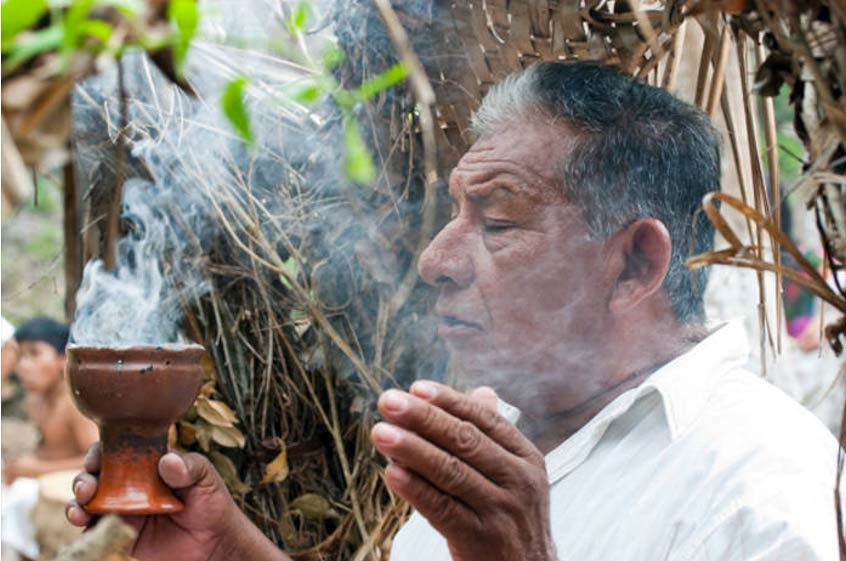
Maya Village Daykeeper Burning Copal Incense, by Ann Wuytts. (Ann Wuyts/CC BY-NC 2.0)
Interestingly, the genesis of this strange calendar, unique among ancient civilizations, has never been satisfactorily explained, and brand new research is providing stunning revelations concerning its birth, with implications even more profound.
The oldest inscription so far with a confirmed calendar glyph in the Maya world has come from the site of San Bartolo, Guatemala. In 2022, authors David Stuart et al. explained:
“The earliest known calendar notation from the Maya region comes from San Bartolo, Guatemala, from between 300 and 200 BCE. The “7 Deer” glyph represents a day in the 260-day divinatory calendar used throughout Mesoamerica and among indigenous Maya communities today.” (Allen, 2017)
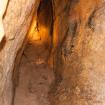
An even older calendar notation was found in Oxtotitlán Cave dating to 900-500 BCE. Called Painting 1-c it depicts an early Feathered Serpent. A single black circle is visible behind the painting. Arnaud F. Lambert has re-interpreted this and the other paintings to be very early calendrical glyphs associated with the 260-day sacred Calendar and were used to denote the names of local rulers and divine ancestors.

Like this Preview and want to read on? You can! JOIN US THERE ( with easy, instant access ) and see what you’re missing!! All Premium articles are available in full, with immediate access.
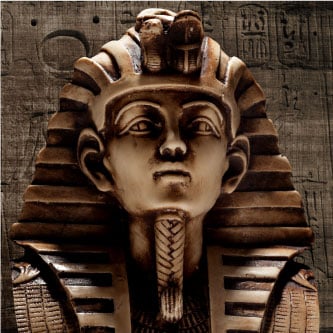
Top image: Bust of Nefertiti surrounded by the Maya Calendar. Source: CC BY 4.0/ Asdfjrjjj ,CC BY-SA 4.0








_Wellcome_M0001091.jpg)
