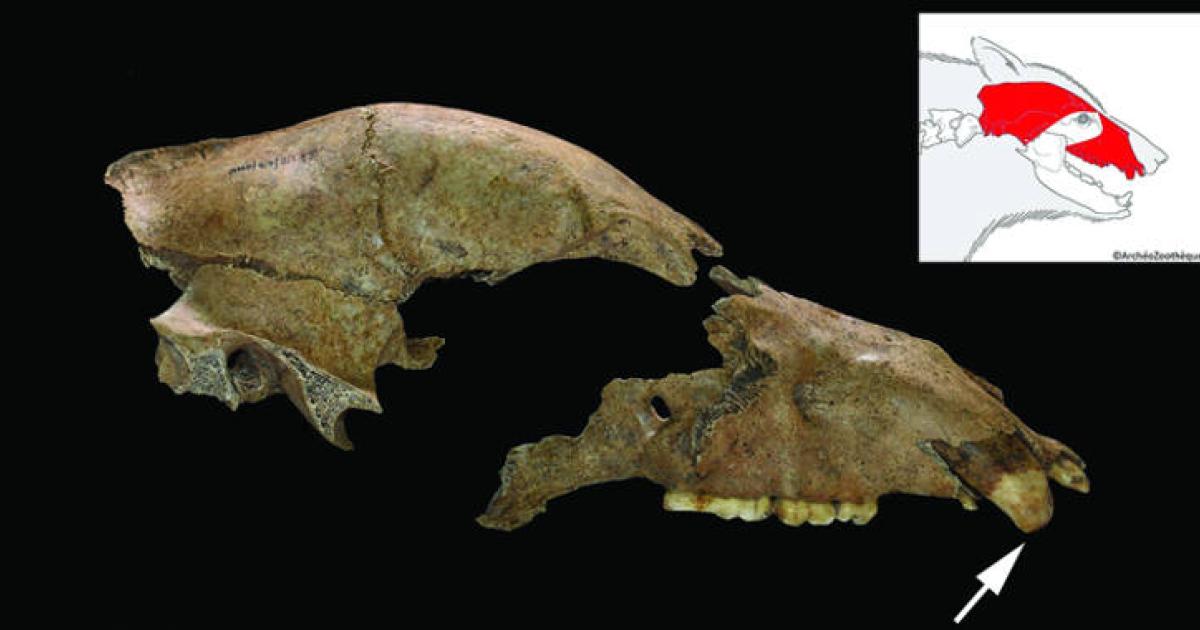

Archaeological evidence has finally confirmed what Roman historians have long documented - gladiators really did battle ferocious bears in ancient amphitheaters. A groundbreaking study of a 1,700-year-old brown bear skull discovered at the Viminacium archaeological site in Serbia provides the first physical proof of these deadly encounters. The fossilized remains reveal traumatic injuries and signs of prolonged captivity, offering unprecedented insight into the brutal spectacles that entertained Roman crowds.
The remarkable discovery was made near the amphitheater at Viminacium, once a thriving Roman military base and provincial capital in modern-day Serbia. Scientists from Belgrade's Institute of Archaeology analyzed the bear skull using advanced techniques, uncovering evidence that transforms our understanding of Roman entertainment practices.
- The Mind-Blowing Architecture and Engineering of Rome's Colosseum
- The Colosseum – From Gladiator Fights to Gory Executions and Sea Battles
Traumatic Injuries Tell a Violent Tale
The multiproxy analysis revealed that the six-year-old male brown bear (Ursus arctos) suffered a devastating impact fracture to its frontal bone - consistent with a sharp blow to the head that may have contributed to its death, explains a study published in Antiquity. The injury showed signs of healing but was complicated by a secondary infection that led to osteomyelitis, or inflammation of the bone tissue.
Study author Nemanja Marković explained to Live Science that while they cannot say with absolute certainty the bear died directly in the arena, "the evidence suggests the trauma occurred during spectacles and the subsequent infection likely contributed significantly to its death."
The bear's teeth revealed another disturbing detail - excessive wear patterns consistent with cage chewing, indicating the animal endured prolonged captivity behind metal bars. This suggests the bear was kept for years, not just weeks, and likely participated in multiple spectacles at the Viminacium amphitheater, which could accommodate 12,000 bloodthirsty spectators.
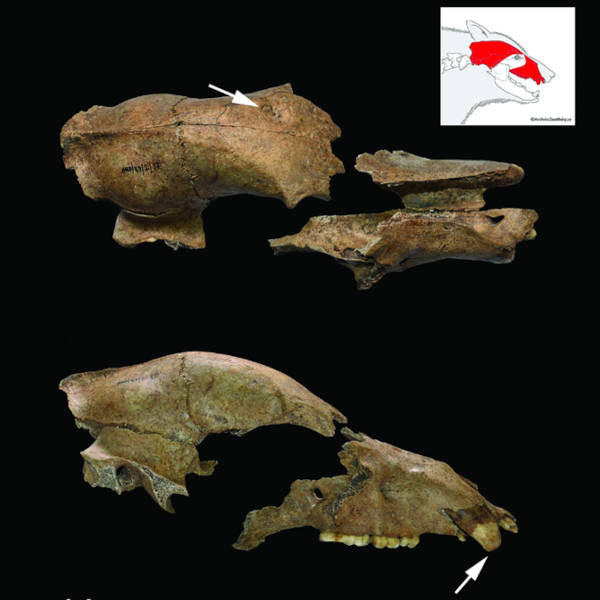
The 1,700-year-old brown bear skull showing impact fracture evidence, and excessive teeth wear. (Marković et al/Antiquity Publications Ltd)
Ancient Texts Meet Modern Science
While Roman writers extensively documented bear fights in amphitheaters, this discovery provides the first zooarchaeological evidence of brown bears participating in Roman spectacles. The brown bear features prominently in Roman written accounts and iconography, deployed as performing animals, combatants for gladiators, and executioners for convicts, describes the Daily Mail.
Ancient texts show that bears were transported from regions including Lucania, Caledonia, North Africa, and the Balkans to participate in games across the empire. The Viminacium bear likely originated from the local Balkan brown bear population before its capture by professional hunters or civilians involved in the lucrative beast trade.
Harvard University classics professor Kathleen Coleman notes an important distinction: strictly speaking, gladiators fought other men, not animals. The fighters who battled beasts were called bestiarii, forming a separate category of arena combatants. These animal fighters typically had little training compared to gladiators and faced much higher mortality rates in their encounters with wild beasts.
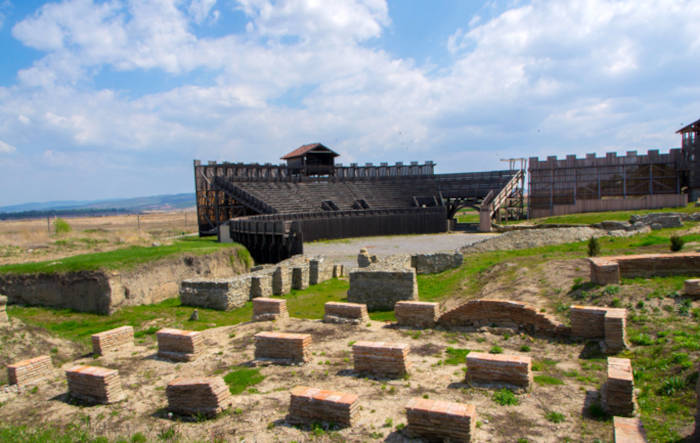
Reconstructed Roman amphitheater at Viminacium where the bear skull was found in 2016. (dejtan05Adobe Stock)
Viminacium: A Provincial Arena of Death
The discovery gains additional significance given Viminacium's important role in the Roman Empire. Originally established as a military camp during Emperor Augustus's reign, it evolved into a major city and became the capital of Moesia Superior province. At its peak, around 40,000 people called Viminacium home, making it one of the largest urban centers in the region.
The city's amphitheater, where this unfortunate bear likely met its fate, was discovered during excavations in 2012. Like its more famous counterpart in Rome, the Viminacium arena hosted morning animal hunts, midday executions, and afternoon gladiatorial contests. The morning spectacles, known as venationes, featured various combinations of animal fights, beast hunts, and combat between trained animal fighters and wild creatures.
Other evidence supporting gladiator-bear encounters has emerged from across the Roman world, including a Roman vase found in Colchester, England, depicting two men baiting a bear. Mosaic floors from North Africa and Germany show similar scenes of armed fighters confronting massive bears in arena settings.
- Roman Gladiators Were War Prisoners and Criminals, Not Sporting Heroes
- The Exotic Menagerie: The Wild Animals Slaughtered in Gladiator Games
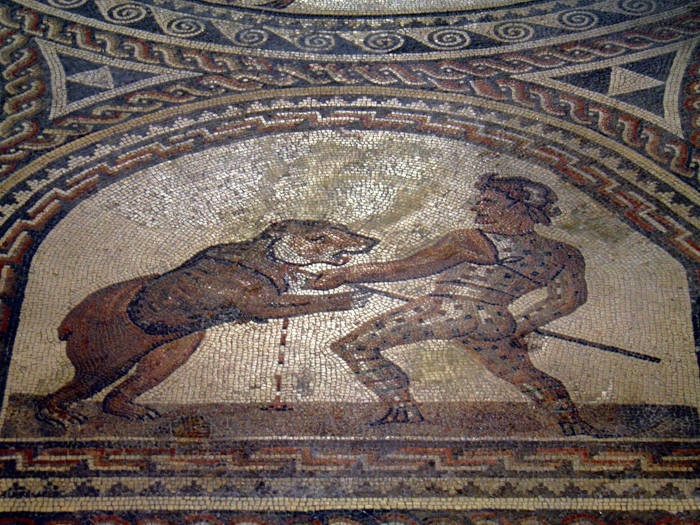
Roman mosaic depicting a venator fighting a bear from Römerhalle, Bad Kreuznach, Germany. (Carole Raddato/CC BY-SA 2.0)
The Brutal Business of Beast Spectacles
The Roman Empire's appetite for exotic animal shows created a vast international trade network. Professional hunters scoured the known world to capture lions, leopards, elephants, rhinoceroses, and bears for transport to amphitheaters across the empire. The logistics were staggering - thousands of animals perished annually to satisfy Roman bloodlust.
Brown bears, being one of Europe's largest predators with exceptional intelligence and strength, provided particularly thrilling entertainment. Their average 25-year lifespan in the wild meant they could potentially serve in multiple spectacles if they survived their arena encounters. However, the Viminacium bear's young age at death - only six years old - suggests the brutal realities of captivity and combat took their toll.
The research, published in Antiquity journal, offers "a glimpse of the significance of brown bears in spectacles across the wider Empire," according to the study authors. It represents groundbreaking work in the emerging field of archaeological spectacle studies, where physical evidence is finally catching up to historical accounts of Roman entertainment practices.
This discovery reminds us that behind the romanticized Hollywood portrayals of gladiatorial combat lay a systematized industry of violence that consumed both human and animal lives on an industrial scale. The scarred skull of this ancient bear serves as a silent testament to the Empire's appetite for spectacle and the creatures who paid the ultimate price for Roman entertainment.
Top image: 1700-year-old brown bear skull found at Viminacium, with fracture injury. Source: Marković et al/Antiquity Publications Ltd
By Gary Manners
References
Chadwick, J., 2025. Roman Gladiators fought BEARS in the arena, fossil evidence reveals for the first time. Daily Mail. Available at: https://www.dailymail.co.uk/sciencetech/article-15068735/Roman-Gladiators-BEARS-arena-fossil-evidence.html
Live Science, 2025. Skull of bear held captive to fight roman gladiators discovered near ancient amphitheater in Serbia. Available at: https://www.livescience.com/archaeology/romans/skull-of-bear-held-captive-to-fight-roman-gladiators-discovered-near-ancient-amphitheater-in-serbia
Marković, N., et al. 2025. Spectacle of the Roman amphitheatre at Viminacium: multiproxy analysis of a brown bear skull. Available at: https://www.cambridge.org/core/journals/antiquity/article/abs/spectacle-of-the-roman-amphitheatre-at-viminacium-multiproxy-analysis-of-a-brown-bear-skull/FB967A5B1441557B31D86CF1A2377F9F