
July
02
/ 2016
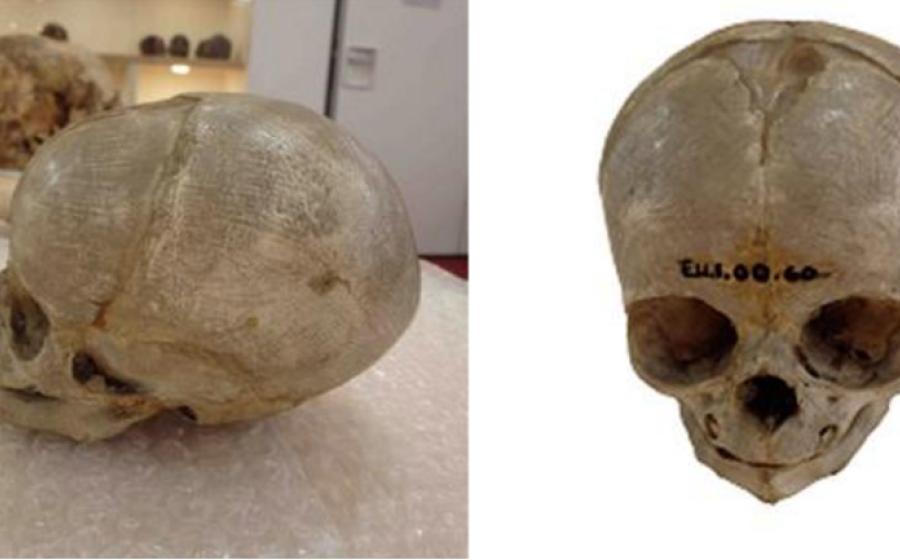
A study of the University of Cambridge anatomy collection dating from the 1700s and 1800s shows how the bodies of stillborn foetuses and babies were a “prized source of knowledge” and were dissected more commonly than previously thought and quite differently to adult cadavers. Historical research combined with the archaeological assessment of collection specimens shows that foetus and infant cadavers were valued for the study of growth and development, and were often kept in anatomical museums. Researchers say that socio-cultural factors and changes in the law, as well as the spread of infectious disease during the industrial revolution, dictated the availability of these small bodies for dissection. The study, conducted by Jenna Dittmar and Piers Mitchell from Cambridge’s Department of