
September
16
/ 2023
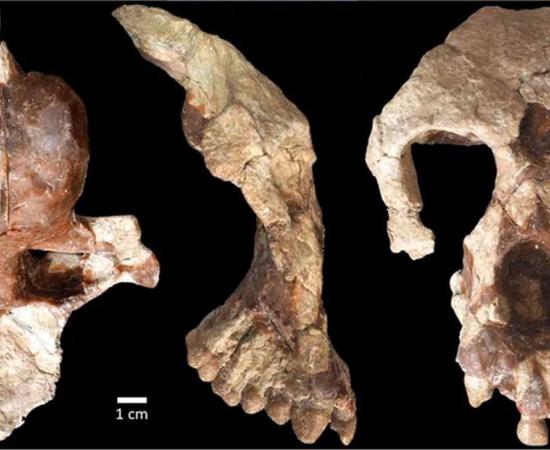
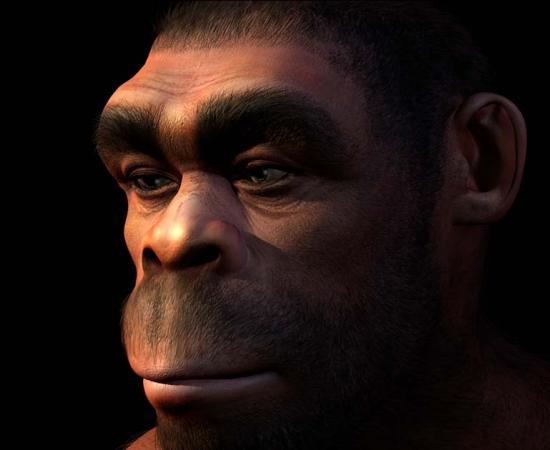
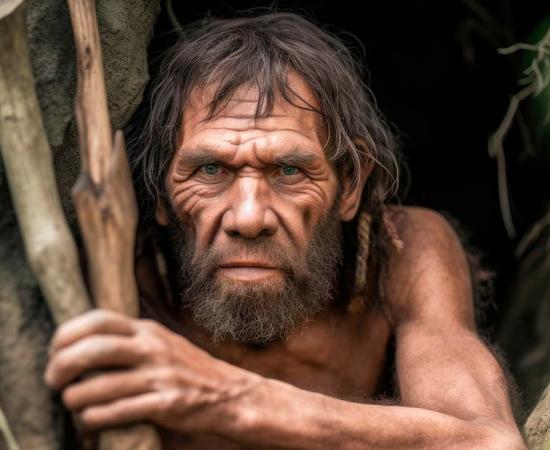
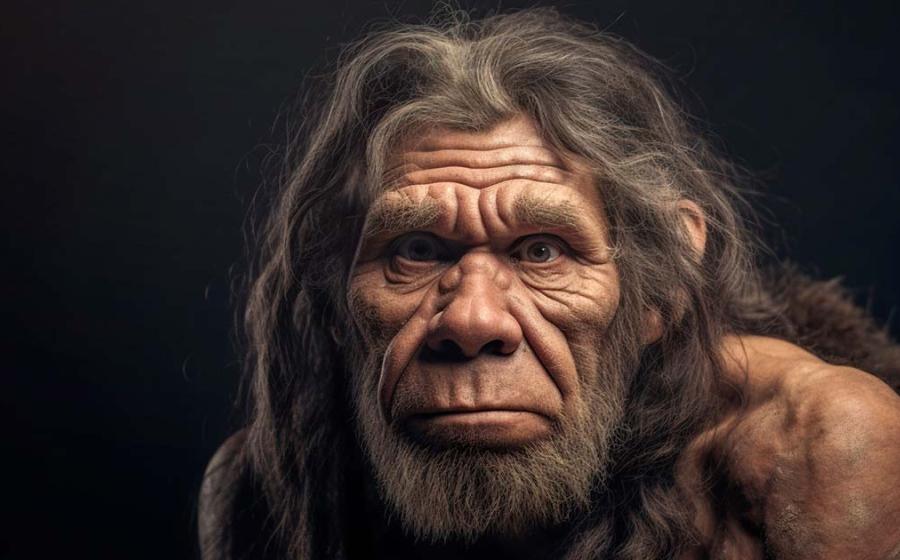
Utilizing advanced techniques, scientists have delved into the genetic code of our Neanderthal ancestors. Extracting DNA from 400,000-year-old Neanderthal bones in Spain, they've achieved a high-quality mitochondrial genome, offering insights into the Neanderthals' genetic makeup. The analysis of these genetic fragments uncovers an intriguing revelation. Many people today possess DNA fragments closely resembling the Neanderthal genome, distinct from other contemporary populations. This is due to the interbreeding of our ancestors with Neanderthals in the Middle East between 40,000 to 90,000 years ago, with these hybrid descendants becoming the forebears of non-African populations. This genetic link may hold the key to understanding our unique evolutionary path. Though the Neanderthals have vanished, their genetic legacy endures within us, potentially influencing our cognitive