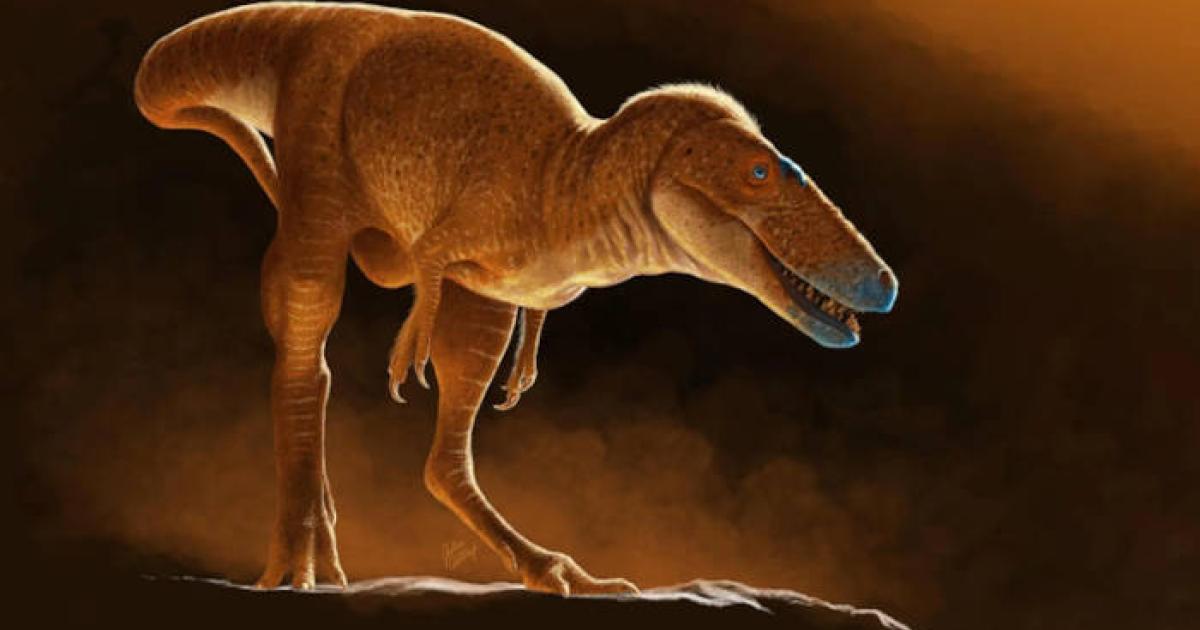

Scientists have unveiled a previously unknown tyrannosaur species that fundamentally changes our understanding of how the mighty Tyrannosaurus rex evolved. The newly identified dinosaur, named Khankhuuluu mongoliensis - meaning "Dragon Prince of Mongolia" - represents a critical evolutionary link between small prehistoric predators and the colossal apex hunters that would dominate the Late Cretaceous period.
The fossils, which sat in a Mongolian museum collection for five decades after their discovery in the early 1970s, were initially misidentified as belonging to an existing species called Alectrosaurus. When PhD student Jared Voris from the University of Calgary examined the bones in 2023, he recognized distinctive tyrannosaur-like features that set them apart.
"I remember getting a text from him - that he thought this was a new species," recalled his advisor, Professor Darla Zelenitsky, according to a BBC report.
The discovery, published in the journal Nature, provides unprecedented insight into a transformative period in tyrannosaur evolution.
- Largest Ever Dinosaur Fossil Emerges from Portuguese Jurassic Era
- Missing Link in Dinosaur Evolution Discovered in the Gobi Desert
From Prince to King
Living approximately 86 million years ago during the Late Cretaceous, Khankhuuluu mongoliensis weighed roughly 750 kilograms - about the size of a modern horse. This made it two to three times smaller than its formidable descendant, T. rex, which could tip the scales at over 6,000 kilograms. According to Voris, this transitional species emerged at a pivotal moment:
"This new species provides us the window into the ascent stage of tyrannosaur evolution; right when they're transitioning from small predators to their apex predator form."
The name "Dragon Prince" deliberately reflects Khankhuuluu's position in the tyrannosaur lineage, standing as the "prince" before the "king," T. rex itself. Early tyrannosaurs were, as Voris describes, "these really small, fleet-footed predators that lived in the shadows of other apex predatory dinosaurs" during the Jurassic period. Khankhuuluu represents the evolutionary shift when these creatures began developing the features that would make their descendants legendary.
- World's Smallest Dinosaur Egg Fossils Discovered in China
- A Titanosaur in Ecuador? New Dinosaur Discovered!
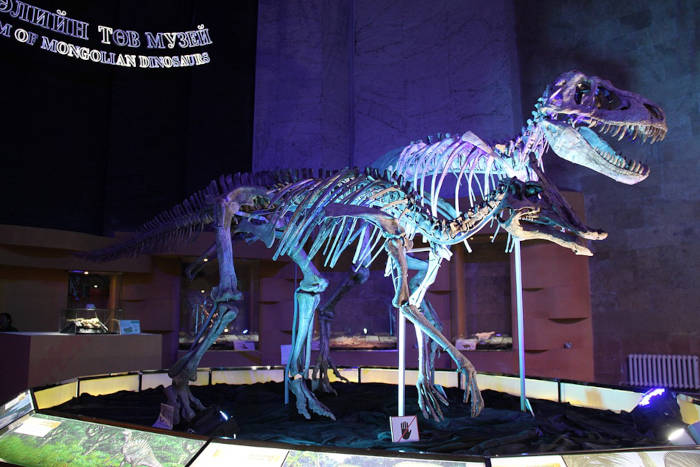
Tarbosaurus and Saurolophus mounted skeletons showing Late Cretaceous predator-prey relationship. (Gary Todd/CC0)
Evolutionary Stepping Stones
The fossils reveal early developmental stages of features that became hallmarks of tyrannosaur dominance. Khankhuuluu displayed small horn-like structures on its head, characteristics that became more pronounced in later species such as Albertosaurus and Gorgosaurus, likely used for mating displays or intimidation. More significantly, the nasal bone structure shows the beginnings of adaptations that eventually gave T. rex its legendary bone-crushing bite force.
Unlike its massive descendants, Khankhuuluu's long, shallow skull indicates it lacked the powerful bite strength of T. rex. Instead, researchers describe it as a mesopredator—similar to modern coyotes—that relied on speed and agility rather than brute force to hunt prey. This hunting strategy proved effective enough to sustain the species through a critical evolutionary period when larger carnivorous dinosaurs had gone extinct, creating an ecological opportunity.
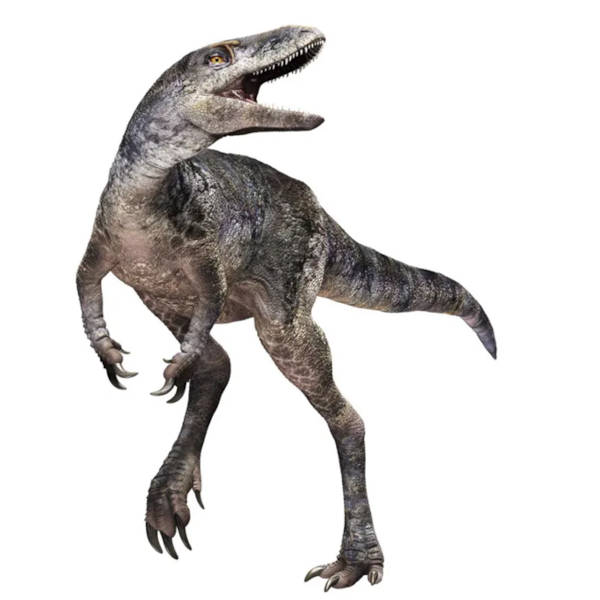
Artist's impression of how Khankhuuluu mongoliensis appeared. (Masato Hattori/BBC)
Continental Connections
The discovery also illuminates how tyrannosaurs moved between continents. Professor Zelenitsky explains that Khankhuuluu or a closely related species likely migrated from Asia to North America around 85 million years ago via land bridges connecting Siberia and Alaska. "Our study provides solid evidence that large tyrannosaurs first evolved in North America as a result of this immigration event," she states in the Science Daily report.
These migrations proved crucial to tyrannosaur diversification. Moving between Asia and North America allowed different populations to occupy distinct ecological niches, driving the evolution of various tyrannosaur groups over millions of years. The research suggests these intercontinental movements were rarer and more limited than previously believed, making Khankhuuluu the last known Asian ancestor before the great North American diversification that ultimately produced T. rex. As Professor Zelenitsky aptly summarizes: "This discovery shows us that, before tyrannosaurs became the kings, they were princes."
Top image: An 85-million-year-old Mongolian dinosaur named Khankhuuluu mongoliensis, seen here in an artist’s reconstruction, fills an important gap in the family tree of tyrannosaurs. Source: Julius Csotonyi/Nature
By Gary Manners
References
BBC News. 2025. 'Dragon prince' dinosaur discovery 'rewrites' T.rex family tree. Available at: https://www.bbc.com/news/articles/cy8dzv3vp5jo
Science Daily. 2025. Before T. rex, there was the "dragon prince". Available at: https://www.sciencedaily.com/releases/2025/10/251024041828.htm
Jared T. Voris, Darla K. Zelenitsky, Yoshitsugu Kobayashi, Sean P. Modesto, François Therrien, Hiroki Tsutsumi, Tsogtbaatar Chinzorig, Khishigjav Tsogtbaatar. A new Mongolian tyrannosauroid and the evolution of Eutyrannosauria. Nature, 2025; 642 (8069): 973 DOI: 10.1038/s41586-025-08964-6