
July
16
/ 2023
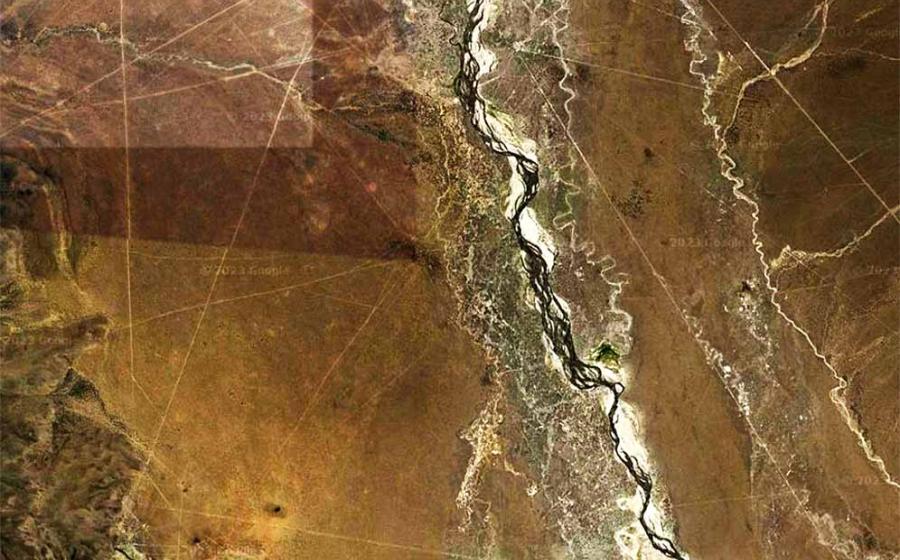
When flying over the desert of the Altiplano plateau in western Bolivia, a fascinating sight awaits. Thousands of impeccably straight paths are etched into the ground of the Andean landscape, forming an intricate network of geoglyphs known as the Sajama Lines. They’ve even been described as the largest work of art in the world. These enigmatic markings can be found within the confines of Sajama National Park—protected as a UNESCO World Heritage Site—and were painstakingly created over a span of 3,000 years by the indigenous people residing near the majestic extinct Sajama volcano. Experts remain puzzled by the origins and purpose of the Sajama geoglyphs, while their scale and precision continue to challenge our understanding of the technology and knowledge