
March
27
/ 2026
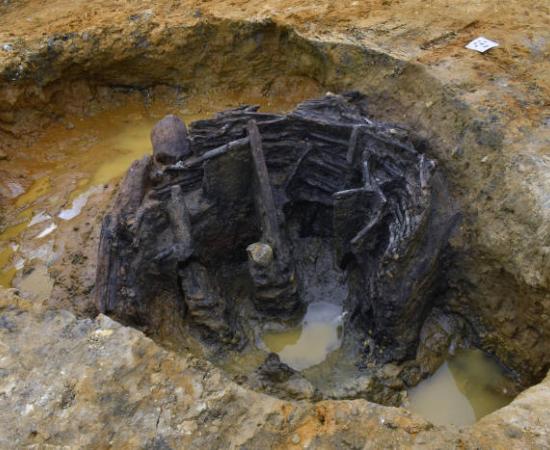
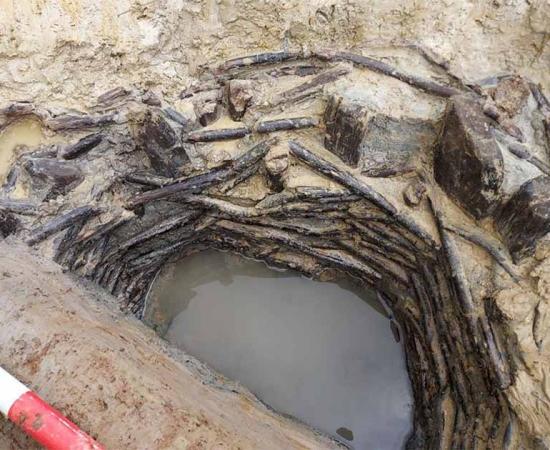
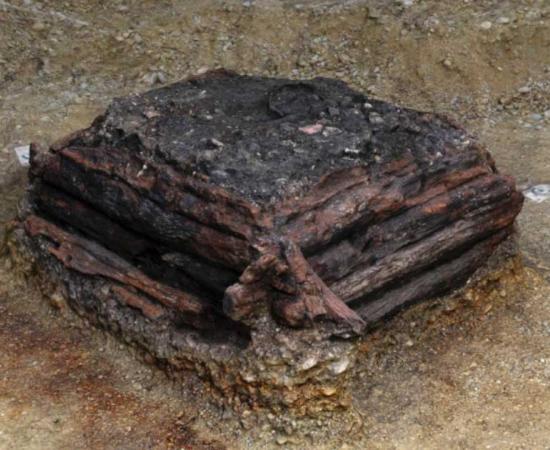
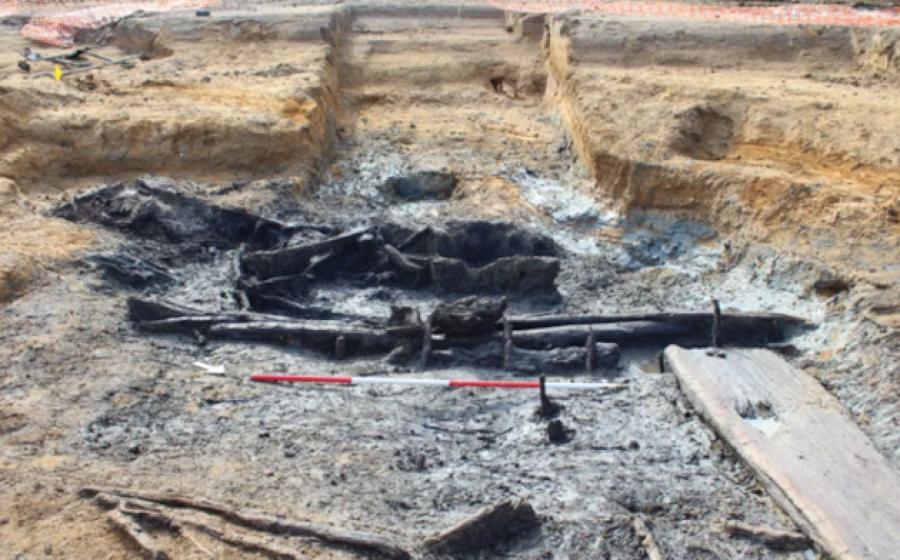
A routine archaeological excavation ahead of a new housing development near Gloucester, England, has revealed a remarkably preserved 3,500-year-old Bronze Age well. What initially appeared to be scattered fragments of wood buried in saturated soil was soon identified as an elaborate prehistoric watering hole. The structure offers a fascinating glimpse into how ancient communities adapted to changing environmental conditions. The Cotswold Archaeology team uncovered the timber structure, which dates to the Middle Bronze Age, approximately 1500 BC to 1100 BC. Finds made from organic materials such as wood rarely survive for millennia, making this discovery particularly significant. The Bronze Age well owes its exceptional state of preservation to the waterlogged conditions of the surrounding soil, which effectively sealed the timber