


September
09
/ 2025
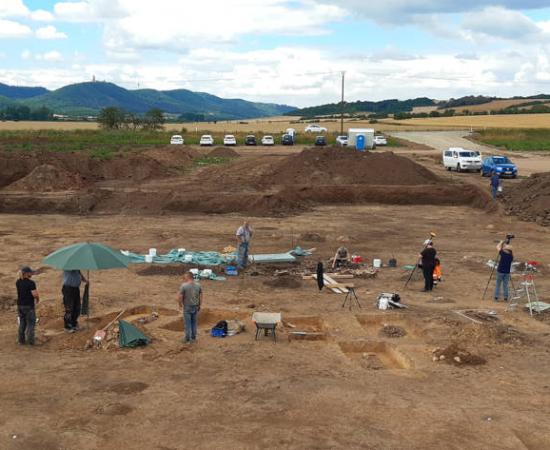
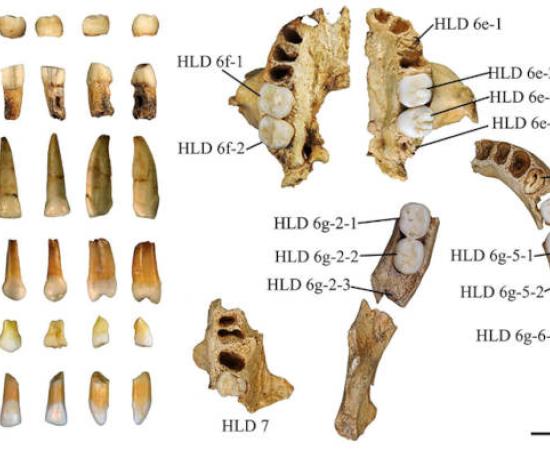
Revolutionary analysis of animal remains from Abrigo de la Malia rock shelter reveals sophisticated hunting strategies employed by the first modern humans in central Spain 36,000 years ago. The discovery also challenges long-held assumptions about population dispersal of modern humans in the region during the early Upper Paleolithic and demonstrates remarkable adaptability to harsh climatic conditions. The understanding of early Anatomically Modern Humans’ settlements in the interior regions of the Iberian Peninsula has historically been limited by sparse evidence and long-held assumptions. For decades, scholars have posited that following the extinction of Neanderthals, the Iberian Plateau was largely deserted and remained uninhabited until the conclusion of the Last Glacial Maximum. This perspective has directed the bulk of archaeological attention toward