


Premium Articles

Ancient Origins Premium bring you the latest discoveries, theories, and insights from the world of history, archaeology, mythology, and ancient mysteries. Written by leading experts and researchers, these articles go beyond the surface to explore humanity’s past in depth, connecting ancient wisdom with modern understanding. Dive into a constantly growing collection of well-researched, thought-provoking content available exclusively to our members.

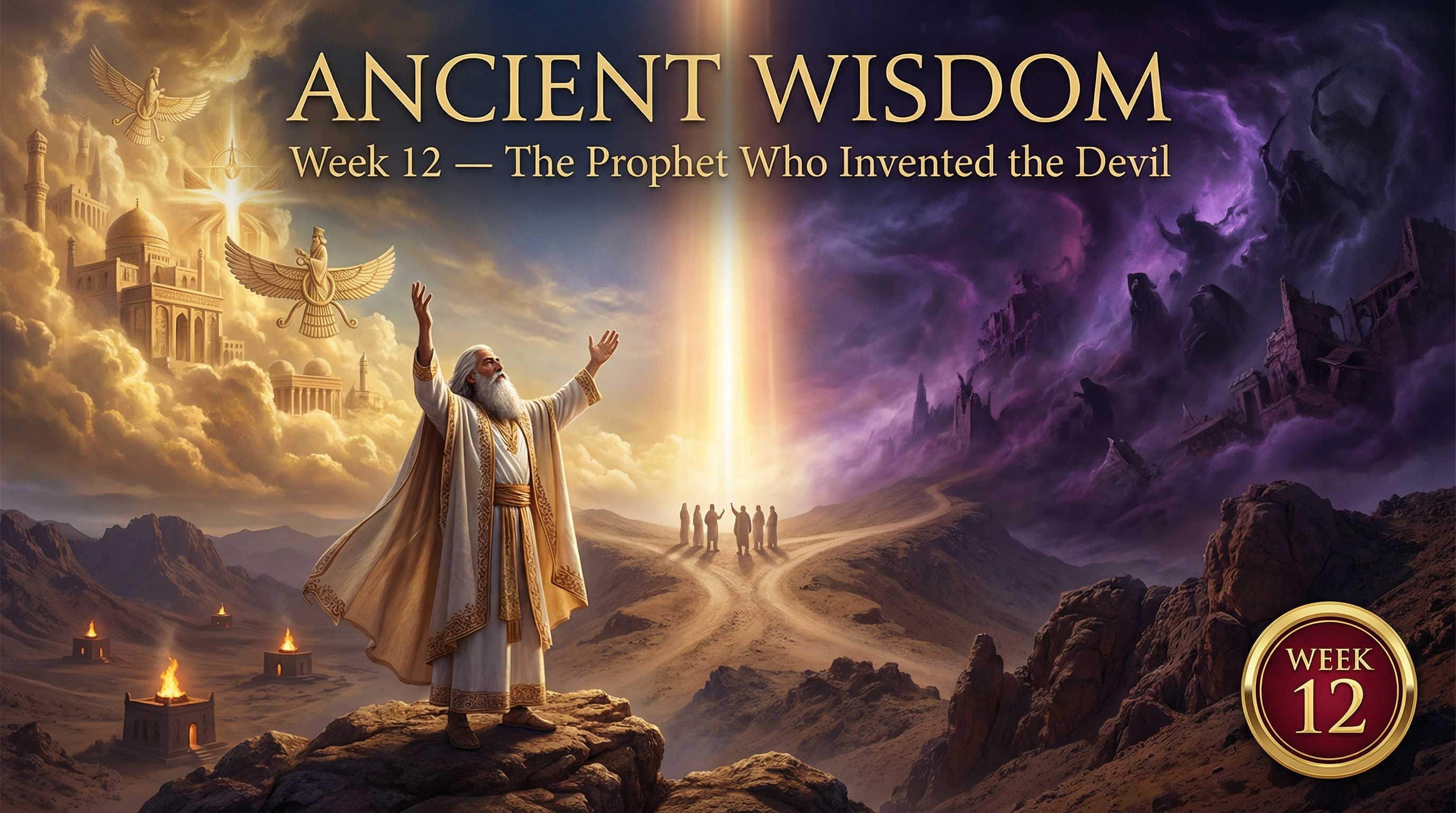
The most important people in religion could be named Jesus Christ, Muhammad, Moses or the Buddha. But there is an important religious thinker from a very remote time who appears to have had a profound influence on the fundamental beliefs of both the major western religions. This is Zarathustra (Zoroaster to the Greeks). He was a mystic, poet, and revolutionary living in ancient Persia (modern Iran) between 1500-1000 BC.

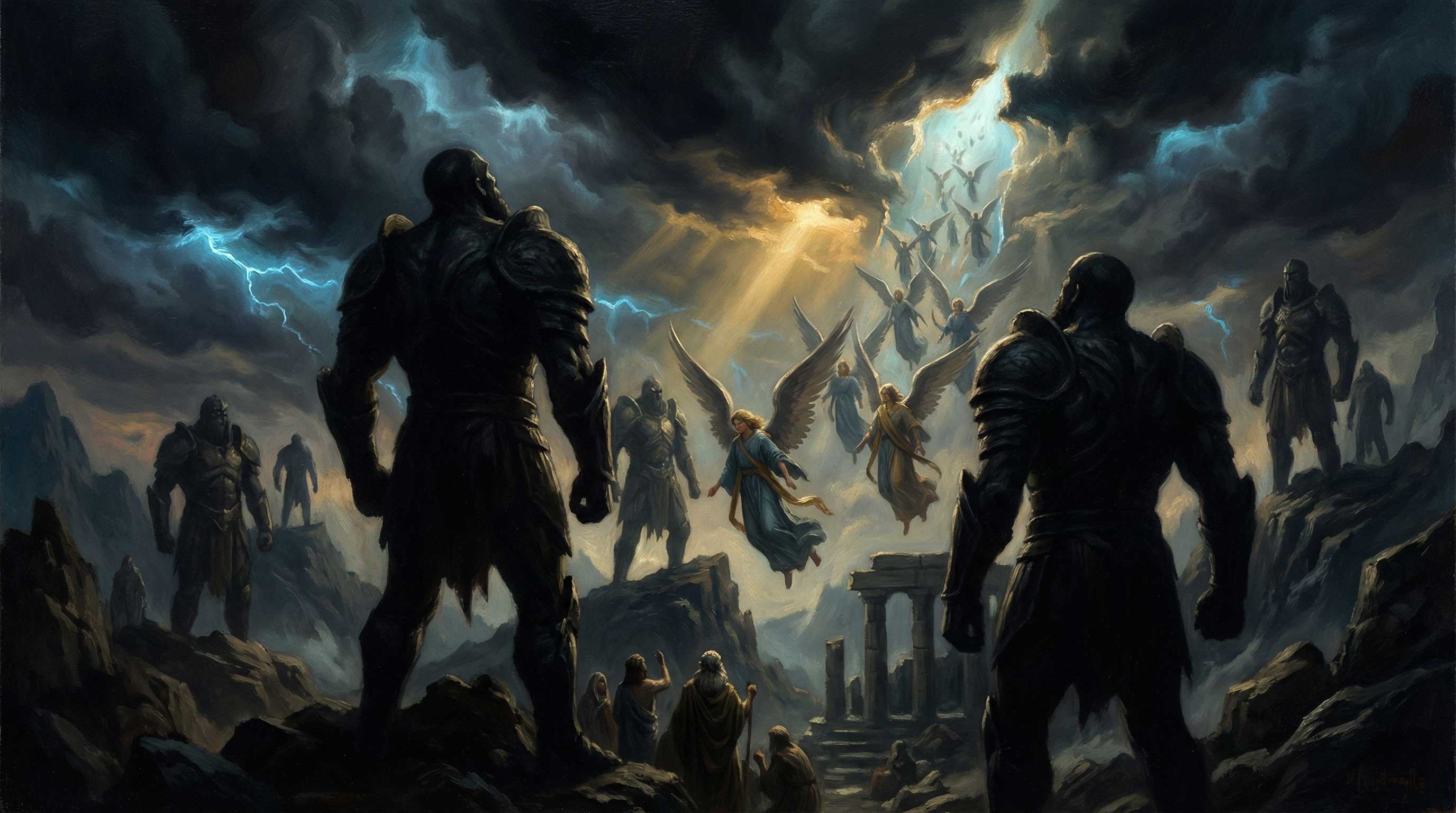
There is a passage hidden in plain sight within the Book of Genesis that is so strange, so profoundly unsettling, that for centuries theologians have quietly glossed over it. It speaks of a terrifying era before the Great Flood, a time when the boundaries between the divine and the mortal were violently shattered. Apparently, based on these accounts, it wasn't just human wickedness that brought about the end of the world. It was a cosmic rebellion, a forbidden transfer of celestial technology, and the birth of a monstrous, bloodthirsty race of giants.

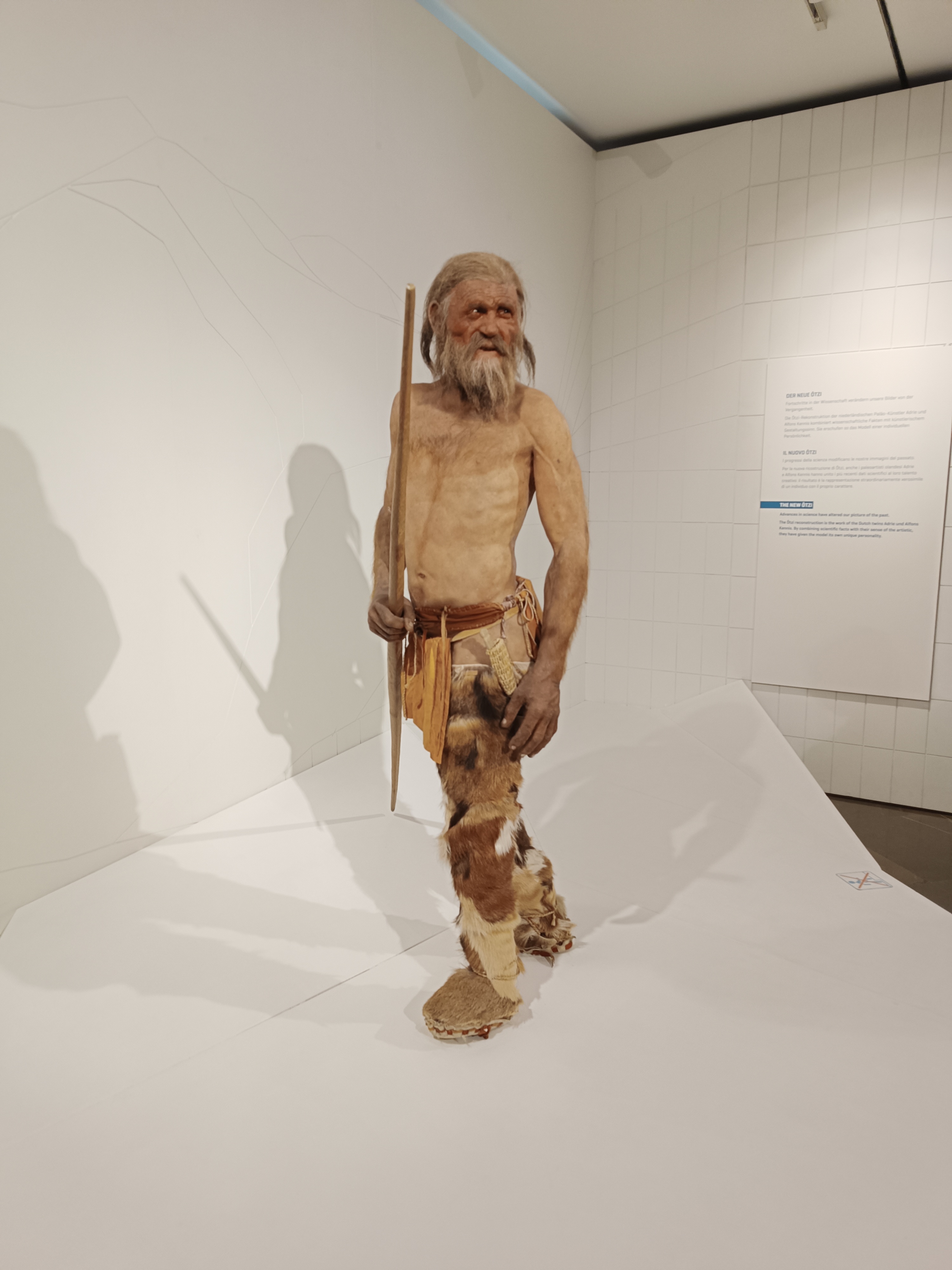
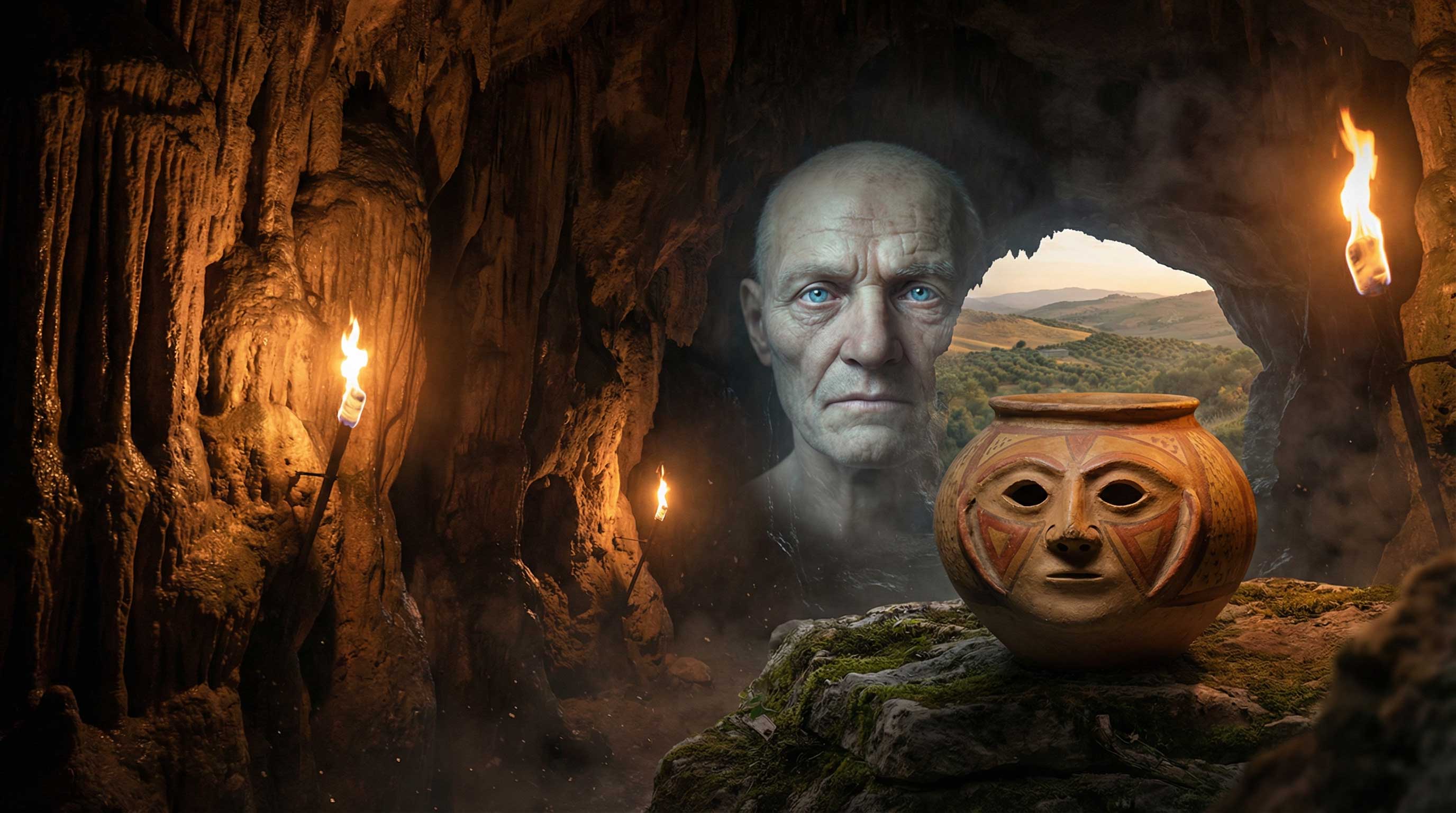
For over three decades, the world pictured Ötzi the Iceman as a rugged, fair-skinned, and hairy prehistoric hunter braving the freezing Alpine winds. Discovered by chance in 1991 by two German hikers, his 5,300-year-old mummified body became an instant global sensation, offering an unprecedented window into the Copper Age. But what if everything we thought we knew about his appearance and ancestry was a lie?

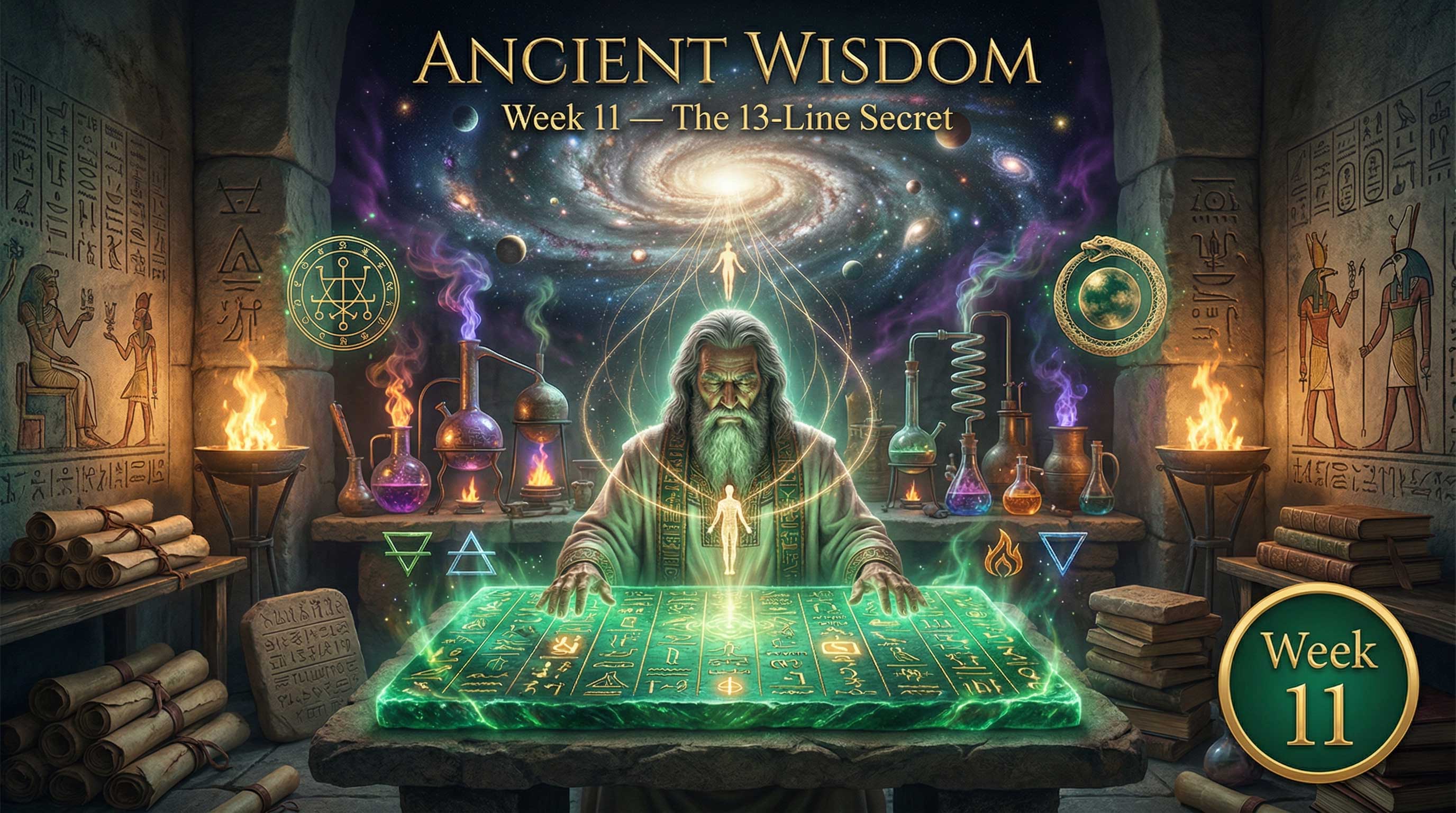
It is one of the most enigmatic and influential documents in the history of human thought. Alchemical in nature, the Emerald Tablet contains thirteen lines of text and is said to contain wisdom and understanding from the time of Hermes Trismegistus, one of the most significant sages of antiquity. For over a thousand years, this document has been influencing the thoughts of many great minds, including Isaac Newton.

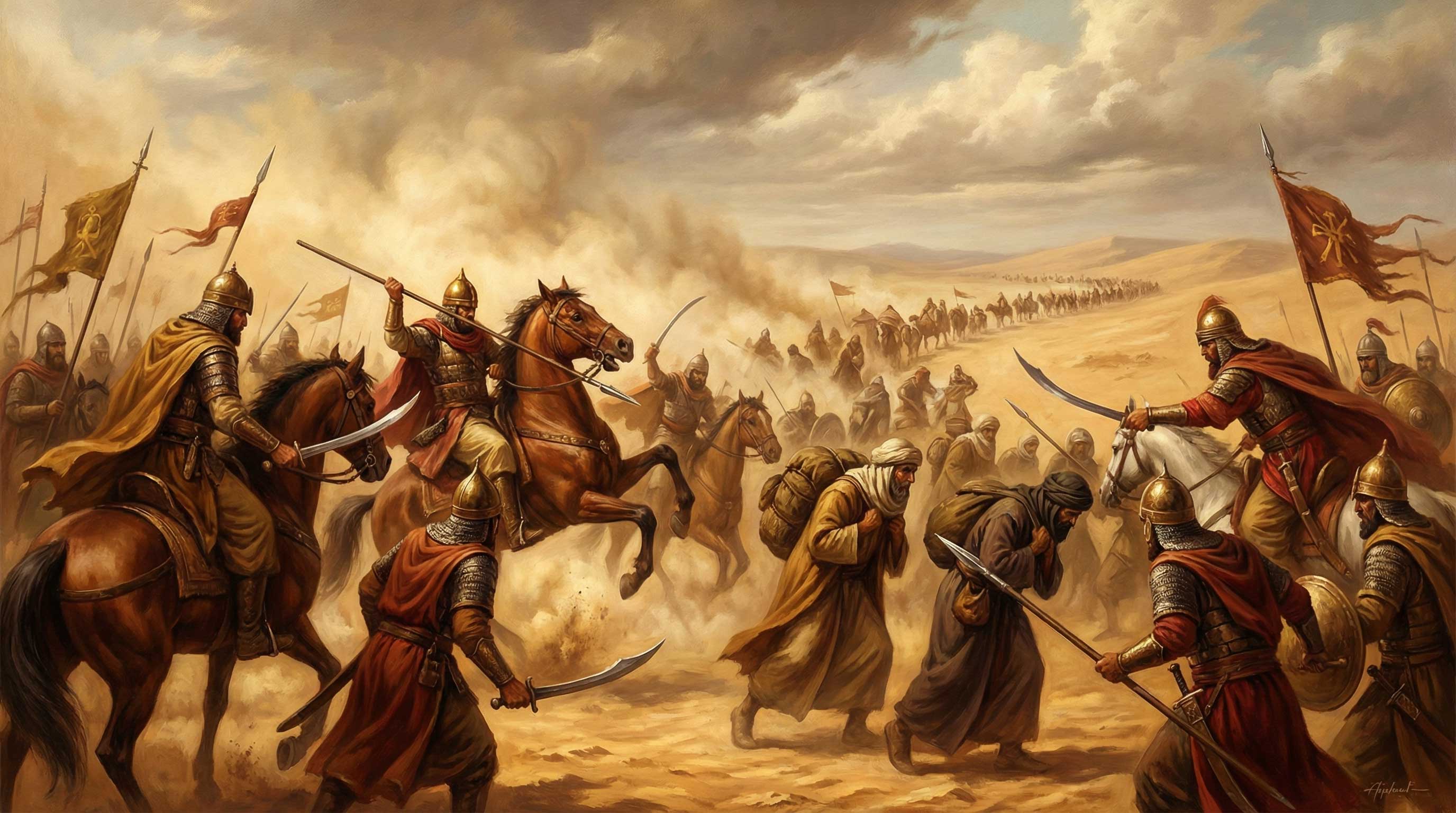
In the annals of the ancient Near East, few peoples have left as profound and controversial a mark on religious memory as the Amalekites. Though they appear exclusively in the Hebrew Bible and have left no clear archaeological footprint, they stand out as the archetypal, unforgivable enemy of the Israelites. No other nation in Scripture receives quite the same eternal declaration of divine war: 

"God will have war with the Amalekites from generation to generation".

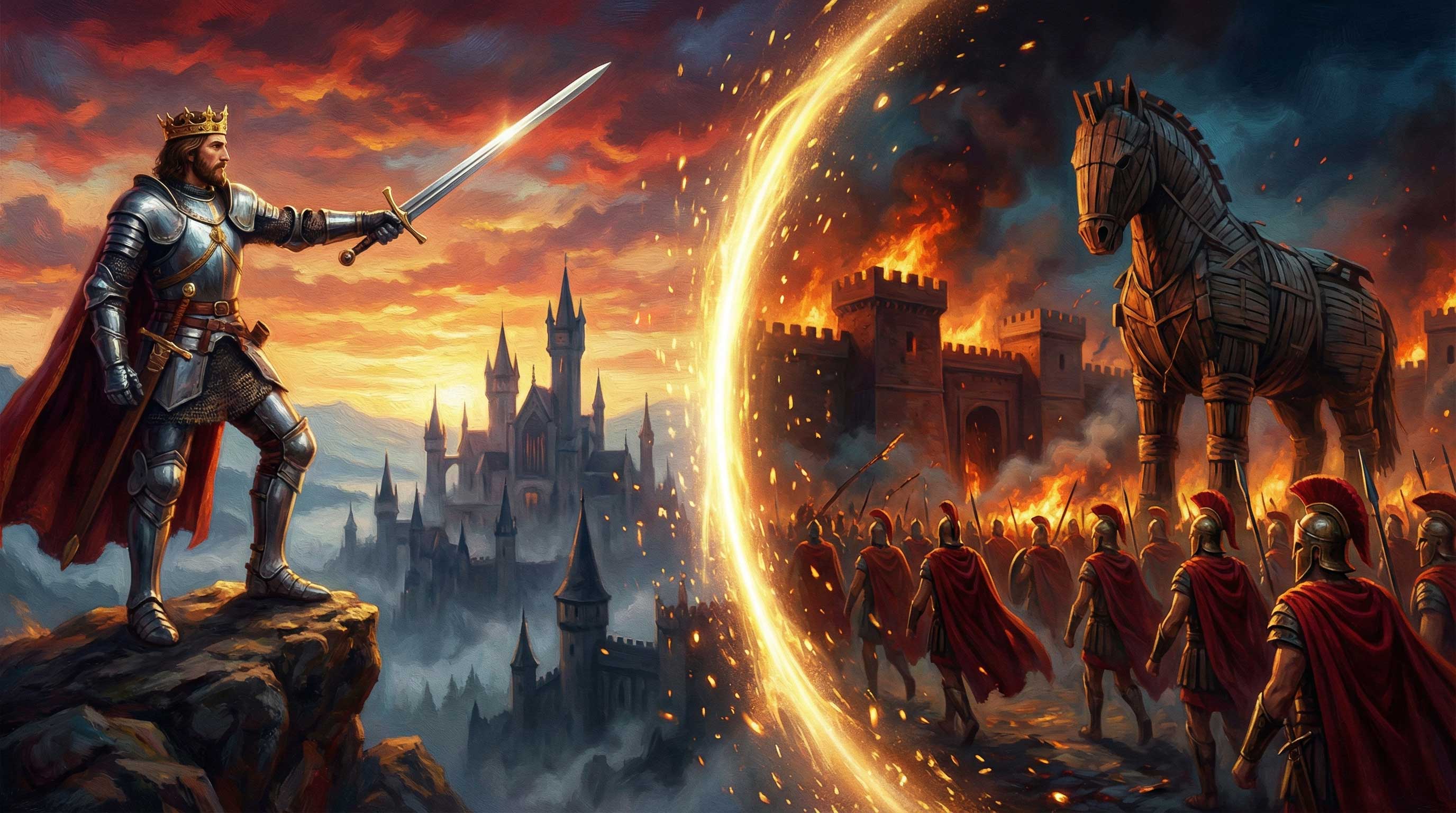
When we think of King Arthur, we picture the quintessential British hero: a noble king pulling a sword from a stone, presiding over the Knights of the Round Table, and defending his homeland against Saxon invaders. He is the ultimate symbol of British mythology. But what if the roots of this legendary figure aren't entirely British? What if the origins of Camelot can be traced back to the ashes of Troy, the epic poetry of Virgil, and the classical heroes of ancient Greece and Rome?

Imagine a country the size of modern-day London deciding to rewrite the map of the entire planet and succeeding. In the fifteenth century, while the rest of Europe was squabbling over borders, a handful of visionaries from a windswept Atlantic peninsula launched the most audacious startup in human history. Not only they just discover new lands, but they engineered the first global supply chain, disrupted a monopoly that had stood for centuries, and accidentally stumbled upon continents.

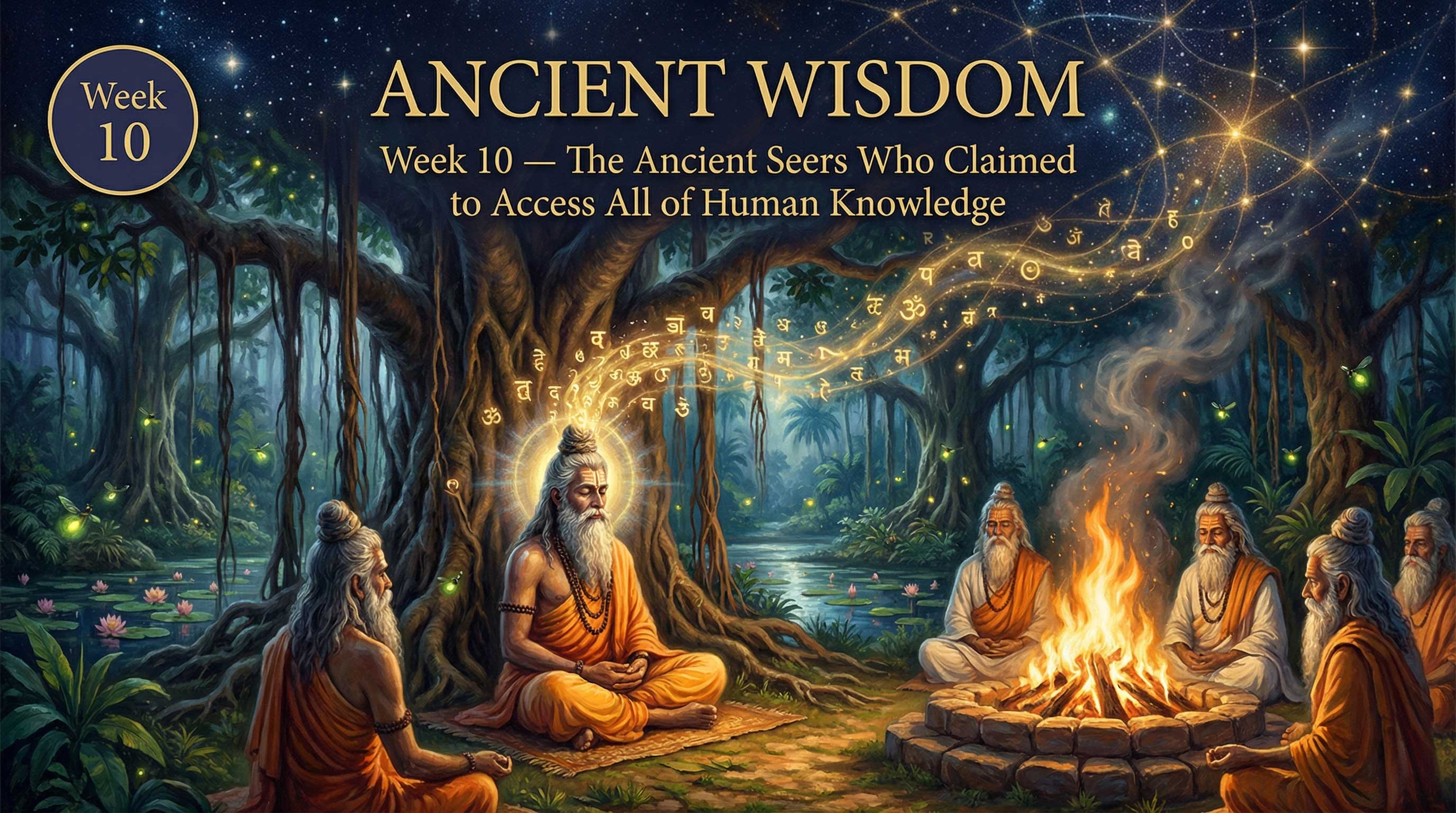
The past nine weeks have seen the exploration of profound insights provided by the great philosophers such as Plato and Aristotle, who developed their models of the universe by employing the techniques of logical reasoning and analytical thought. However, what if there is another method of knowing that does not utilize logic, but relies on a direct experience of the universe itself?