

July
23
/ 2025
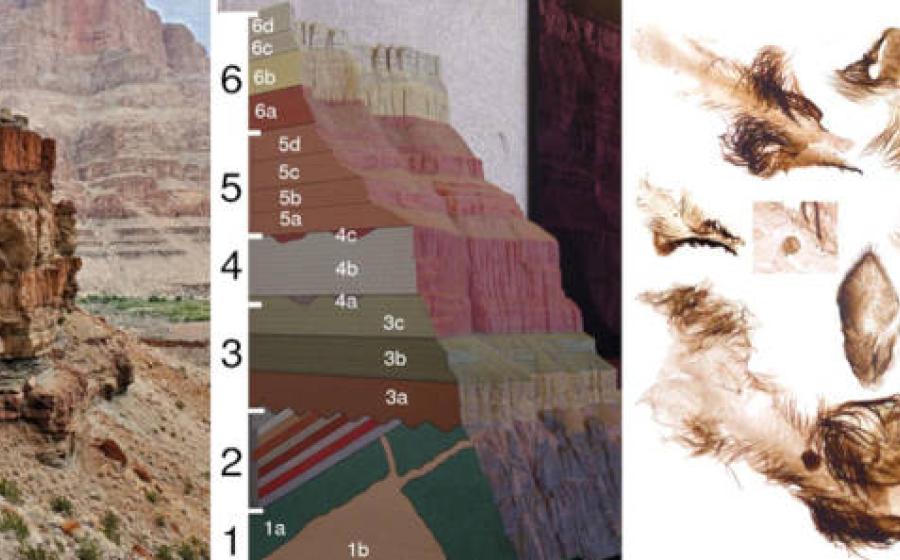
Researchers from the University of Cambridge have made an extraordinary discovery in one of the world's most iconic natural landmarks: the Grand Canyon has yielded a treasure trove of exceptionally preserved early animals from more than half a billion years ago. This groundbreaking find represents the first discovery of soft-bodied Cambrian fossils in the Grand Canyon and provides unprecedented insight into what researchers describe as an evolutionary "Goldilocks zone" that accelerated the development of complex life on Earth. The fossil assemblage, dating from between 507 and 502 million years ago during the remarkable period known as the Cambrian explosion, includes tiny rock-scraping mollusks, filter-feeding crustaceans, spiky-toothed worms, and even fragments of their ancient meals. Published in the journal Science Advances